
Key Takeaways
- Invest in quality tank construction to enhance safety and prevent leaks in your pickling plant.
- Always provide personal protective equipment for operators to safeguard against chemical burns in pickling operations.
- Regularly train workers on chemical handling to ensure safety in environments with corrosive substances.
- Choose a reputable pickling plant manufacturer in India for durable, well-designed equipment that prioritizes safety.
- Maintain emergency response equipment's accessibility to ensure quick reactions in case of incidents at the pickling plant.
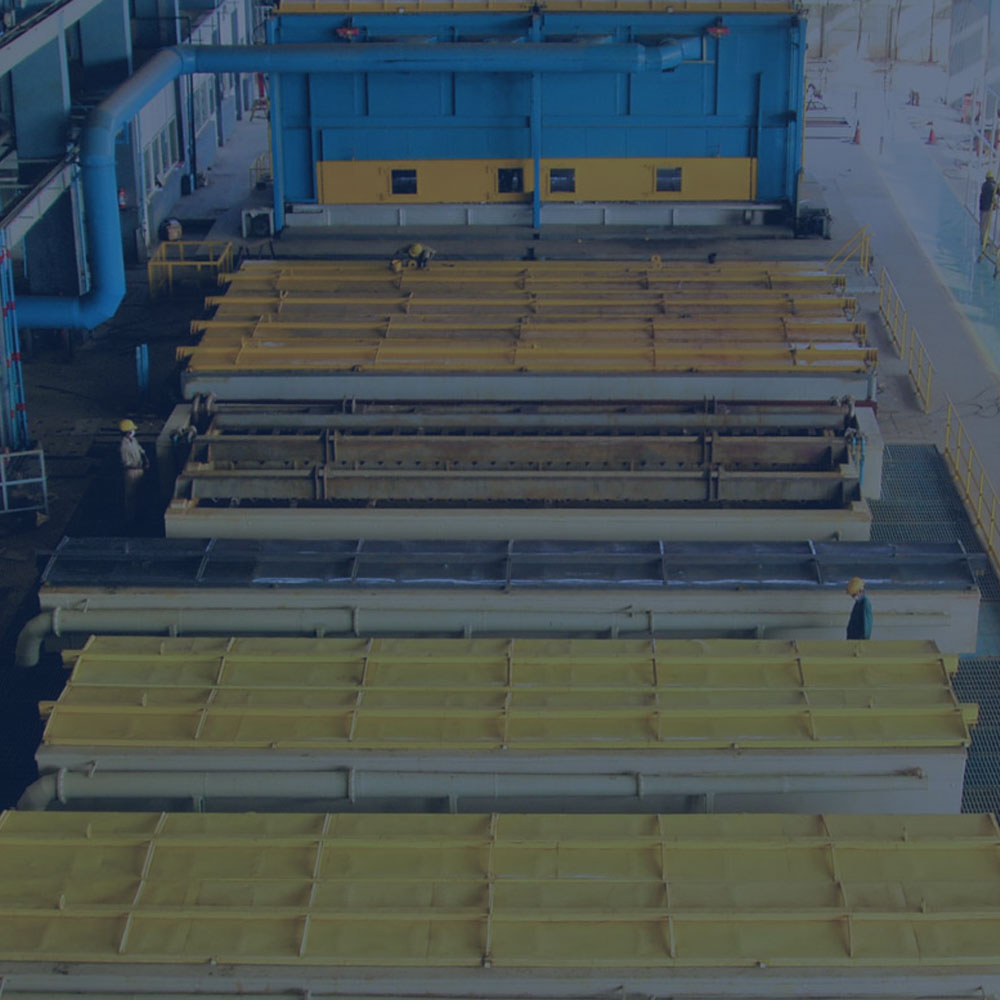
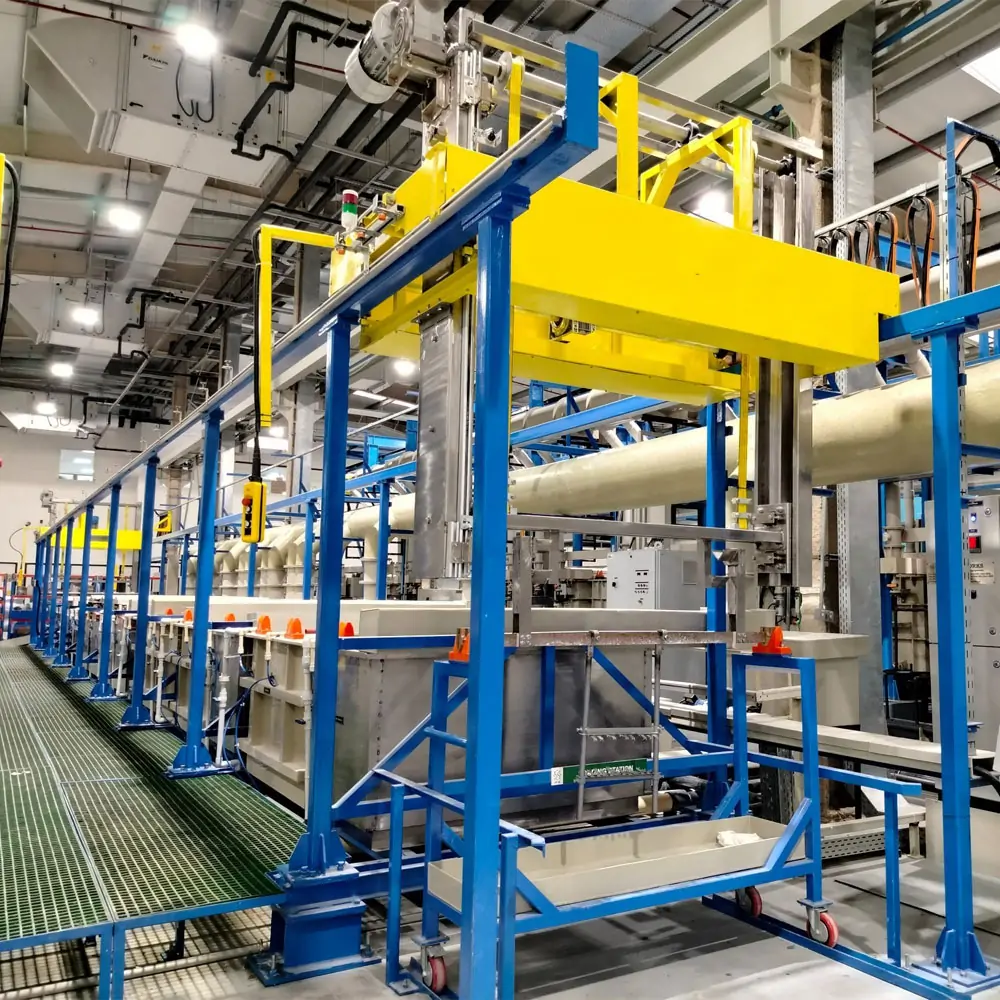
Industrial pickling is an important surface-treatment process used to remove unwanted oxides, scale, rust, and other surface contaminants from metal components before subsequent treatment or finishing operations. Because the process can involve corrosive chemicals, elevated process conditions, heavy components, tanks, lifting systems, and chemical fumes, safety must be treated as an essential part of plant operation rather than an afterthought.
A well-planned safety approach starts with the plant design and continues through chemical handling, operator training, personal protective equipment, ventilation, tank inspection, material movement, housekeeping, maintenance, and emergency preparedness. Every operator should understand the hazards associated with the specific chemicals and process used at their facility and follow applicable workplace safety requirements.
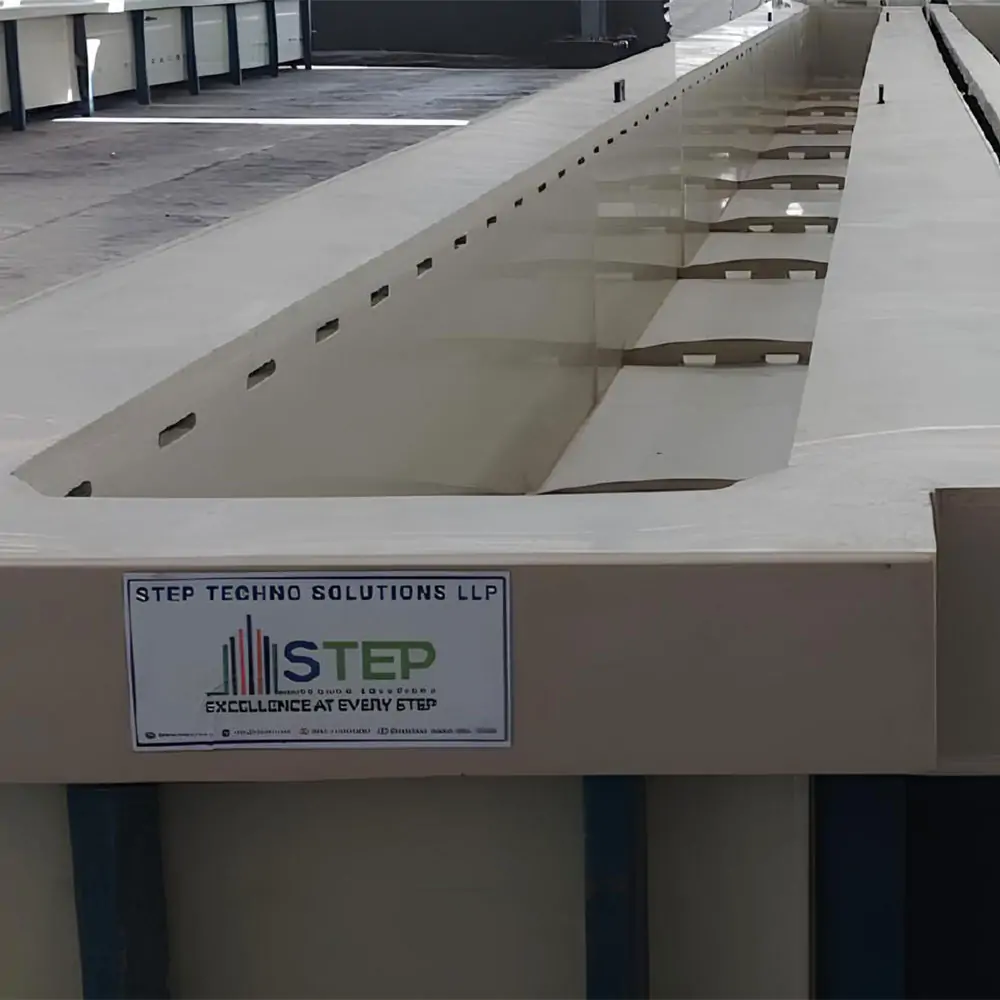
STEP Techno Solutions LLP provides pickling plant solutions designed around industrial requirements, with features such as polypropylene construction, reinforced tank structures, chemical-resistant coatings, customizable designs, and ready-to-install features described on its product page.
Why Pickling Plant Safety Deserves Priority
Pickling is a method of chemical cleaning to remove rust, scale and surface impurities from metal prior to galvanizing or coating or welding. The acids are good at what they do, and that’s why they must be handled carefully. An inadequate tank, improper fume extraction, or inexperienced operator can put a facility at risk of chemical burns, inhalation of toxic fumes and corrosion damage, in addition to unexpected downtime.
The first line of defense is to opt for equipment from an experienced Pickling Plant manufacturer in India. Smartly-designed tanks, effective ventilation and material transport systems minimise the risk of incident before the first safety protocol has been documented. In addition to equipment, daily habits, and operator discipline are equally critical in ensuring a plant’s accident-free operation.
Essential Safety Tips for Pickling Plant Operators
1. Invest in Quality Tank Construction
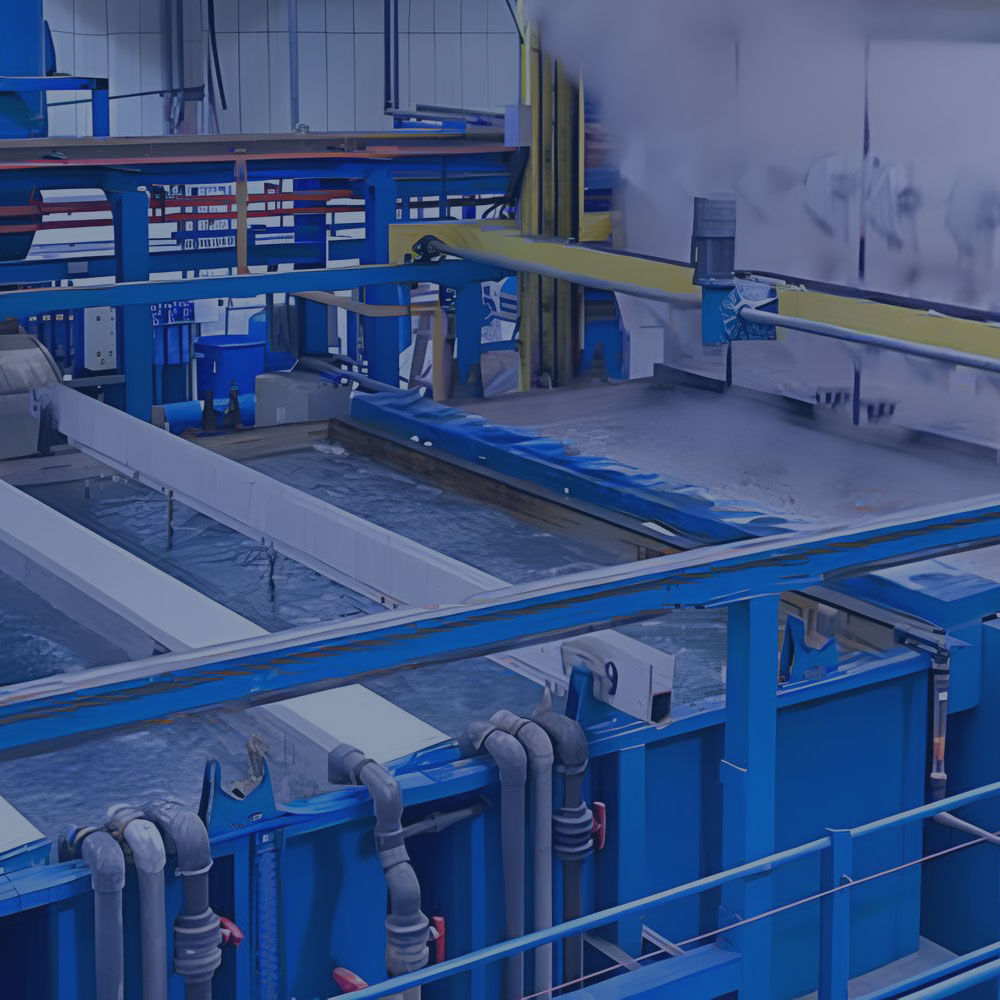
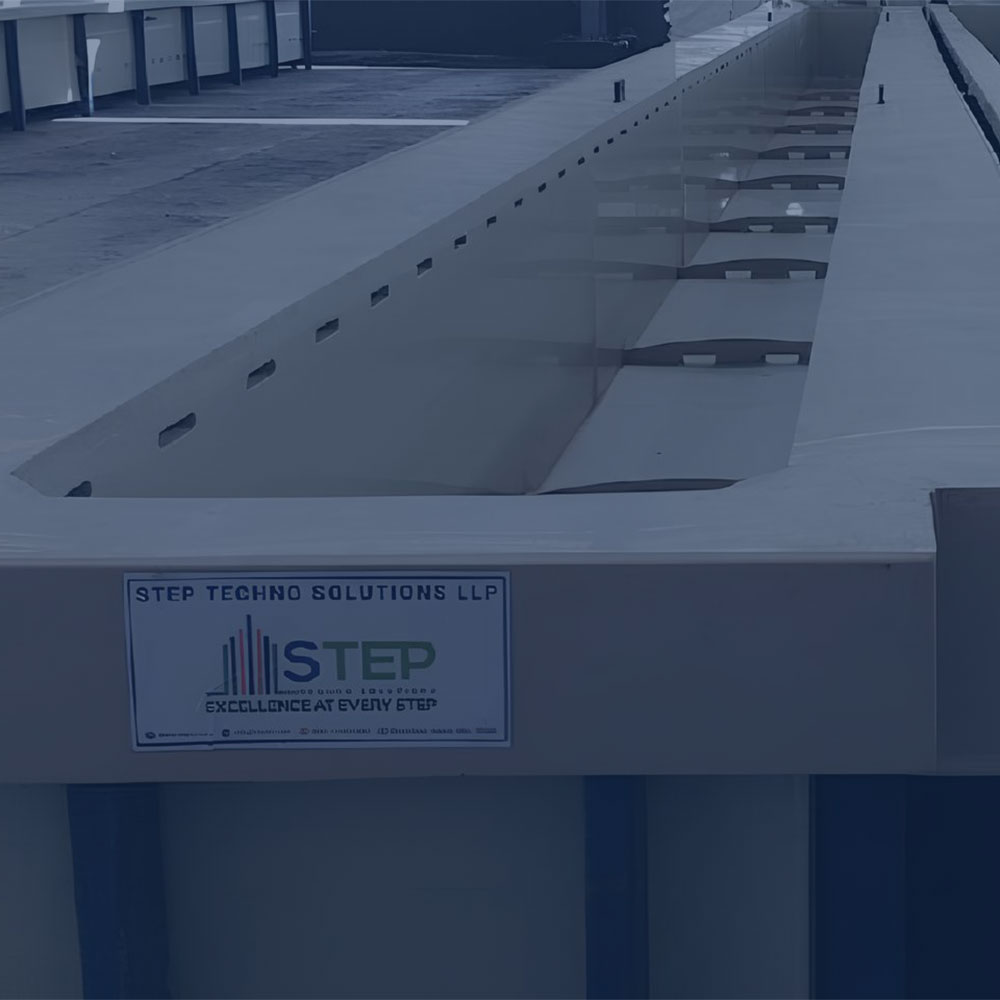
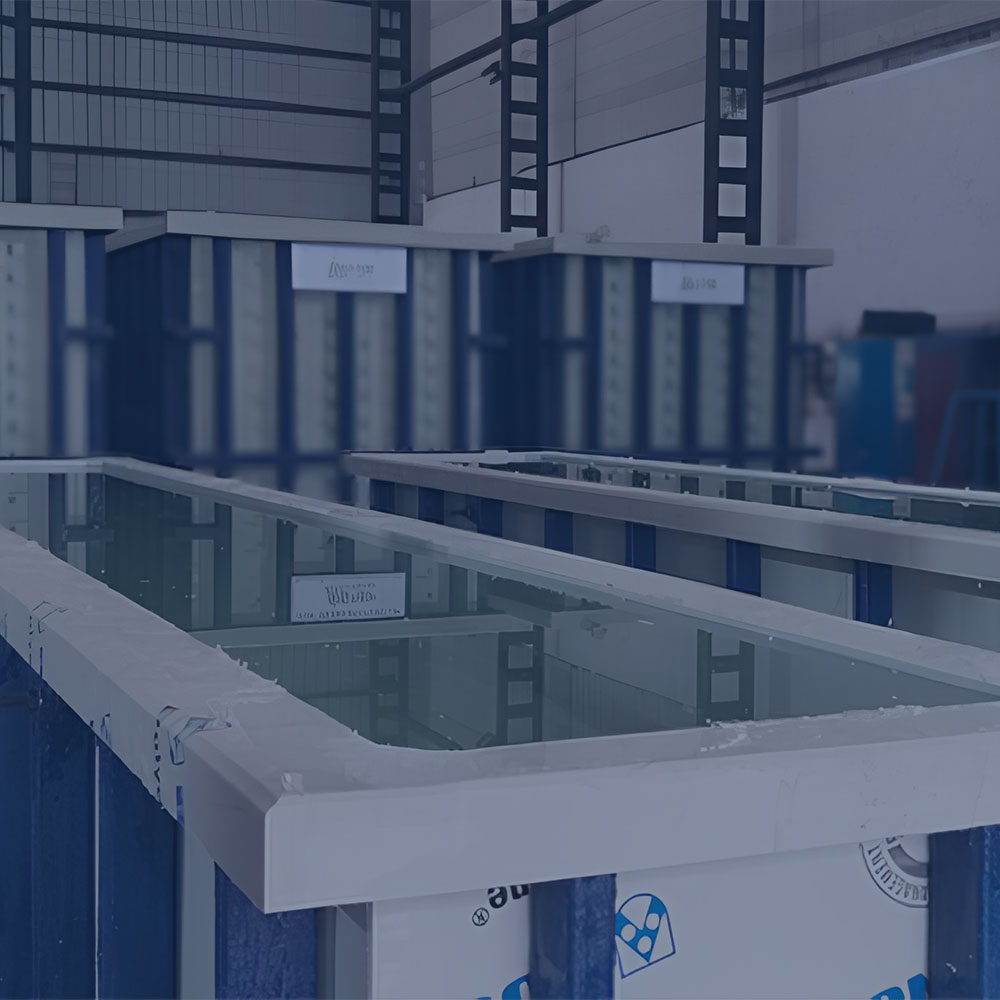
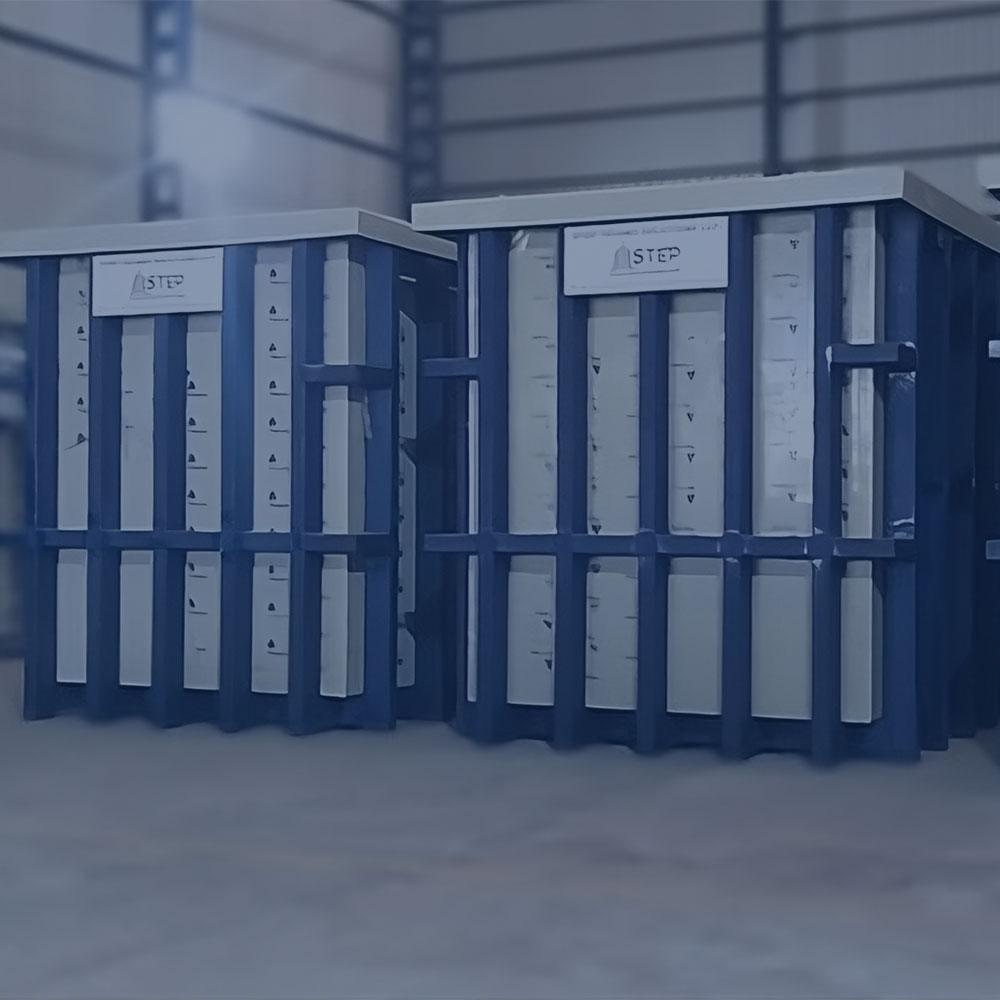
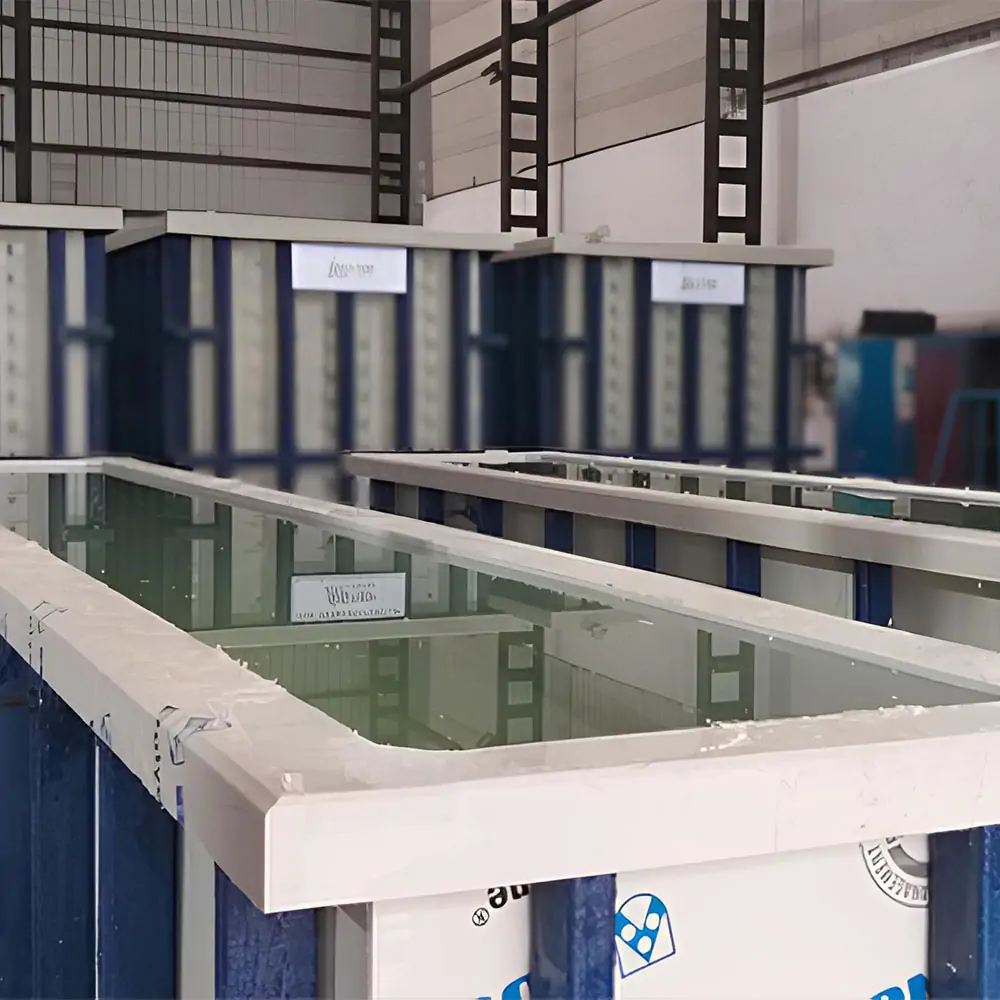
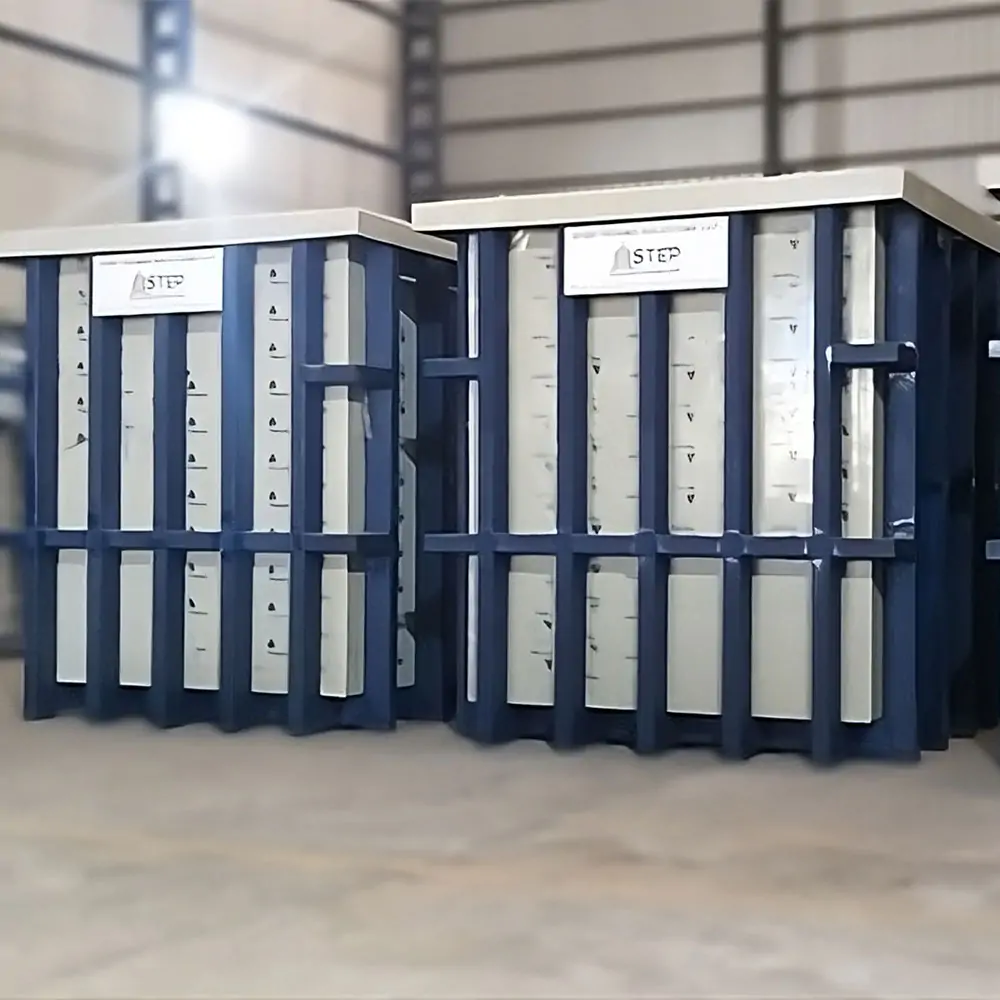
The quality of the tanks is a direct reflection on the safety of the line and is the hub of the line. Special reinforced construction, chemical resistant coatings, and fold-bend containers are much more resistant to acid than regular fabricated containers. One of the most serious safety hazards in this business is the necessity of continuous contact with acid on the tanks that are on the floor. By choosing a Trustworthy Pickling Tank Manufacturer in India, you can ensure that the tanks on your floor will not crack or leak when in contact with continuous acid.
2. Provide Personal Protective Equipment (PPE)
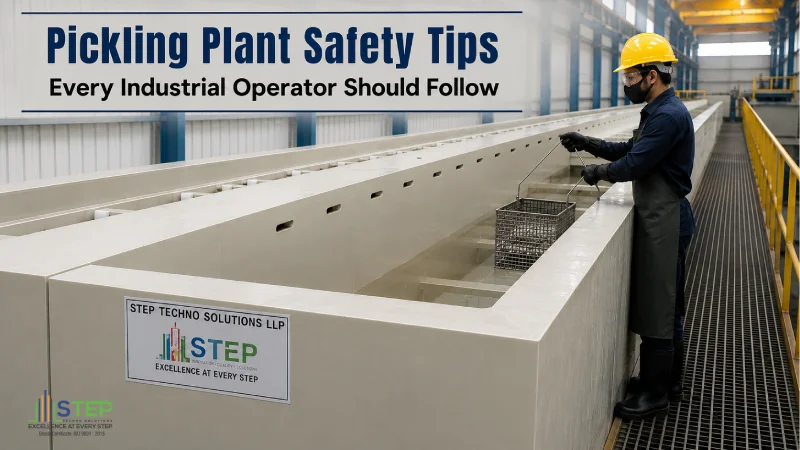
Chemical-resistant gloves, face shields, aprons and rubber boots should be worn by all operators near acid tanks. PPE should be regularly checked for damage and replaced as soon as damage occurs. Even for a simple job, failure to do so leaves workers exposed to the possibility of chemical burns.
3. Install Proper Fume Extraction Systems
If acid fumes are not properly controlled, they can irritate the respiratory system and be harmful to health over the long term during pickling. Fume extraction and scrubbing systems remove harmful fumes from the work area, providing air quality within health limits. A facility using a well-known Pickling Plant manufacturer from India often has access to integrated fume management systems, tailored to their tank configuration and acid type.
4. Train Workers on Chemical Handling
Operators need to be aware of what concentration of acid is being used, how they can safely dilute it, and what to do in case of a spill. Staff are trained regularly, refreshed and signage is clear near the tanks, ensuring that staff respond appropriately and not just by what they think they should do.
5. Maintain Neutralization and Waste Disposal Systems
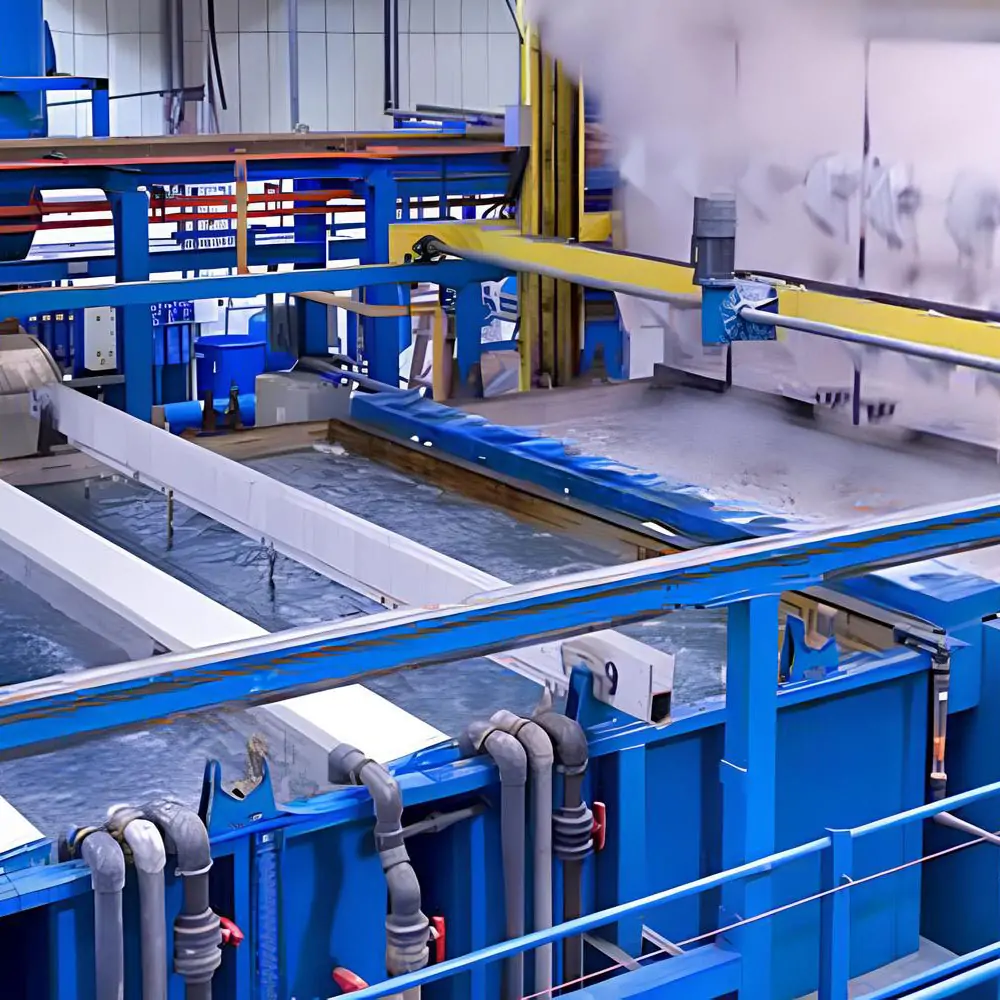
Pickling brine and rinsing water must be properly neutralized for disposal. Failure to do this would not only be against environmental regulations but would also create a hazardous situation around drainage areas. If the pickling system is well-designed, acidic run-off from the system is not a secondary hazard, as it is usually contained in an efficient waste neutralization system integrated into the modern system.
6. Schedule Regular Equipment Inspections
Tanks, pumps, heating elements and piping should be subject to routine maintenance to detect corrosion, leakage and deterioration in a timely manner before they turn into serious issues. A minute crack in a tank wall can cause acid to spread throughout the plant floor in minutes, so inspection programmes must not be seen as a chore of paperwork.
7. Keep Emergency Response Equipment Accessible
Eyewash stations, safety showers, and spill-containment kits should be placed within a few steps of every pickling station, not tucked away in a corner. Every operator should know exactly where these are and how to use them without hesitation.
8. Label Acid Storage and Tank Zones Clearly
Clear labelling of acid concentration, contents of tanks and hazard zones ensure no accidental mixing of chemicals and prevents new or temporary staff from wandering into hazard areas without knowing. There is an extra layer of protection in the form of colour coded pipes and warning signs.
9. Control Access to the Pickling Area
Limiting access to trained staffs only decreases the risk of accidental exposure. Physical barriers, warning signs and access logs ensure accountability, and prevent untrained visitors from entering active acid tanks.
10. Partner with an Experienced Manufacturer
Safety starts at the design stage. Having a manufacturer familiar with acid chemistry, tank engineering and fume management provides operators with a solid base for developing their safety program. Trustworthy Pickling Tank Manufacturers in India do not put safety as an afterthought but they design systems with safety margins.
The Role of Good Engineering in Everyday Safety
Equipment shortcuts during the purchase often result in many safety incidents during pickling. An improperly constructed tank or a poorly designed plant, even if the operators are highly trained at a later stage, jeopardizes them from the start. This is why it is crucial to know the manufacturer of the training program as well.
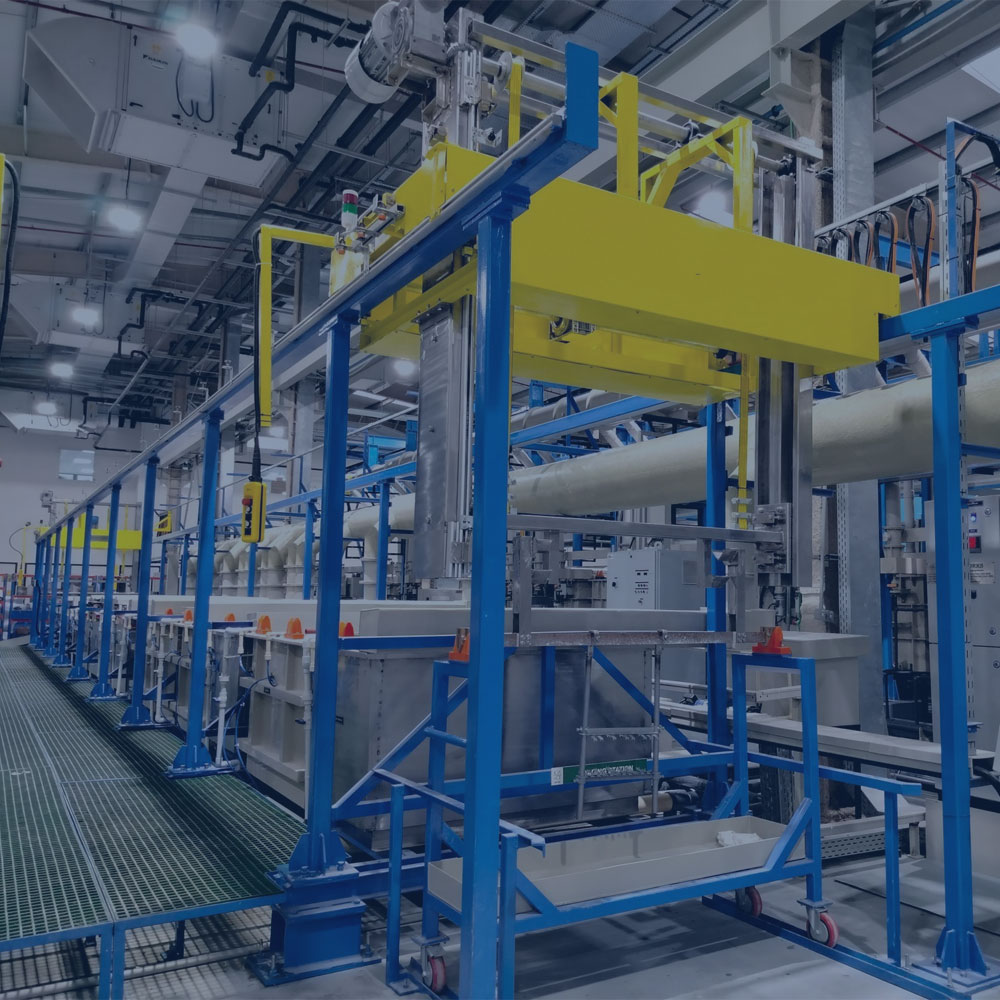
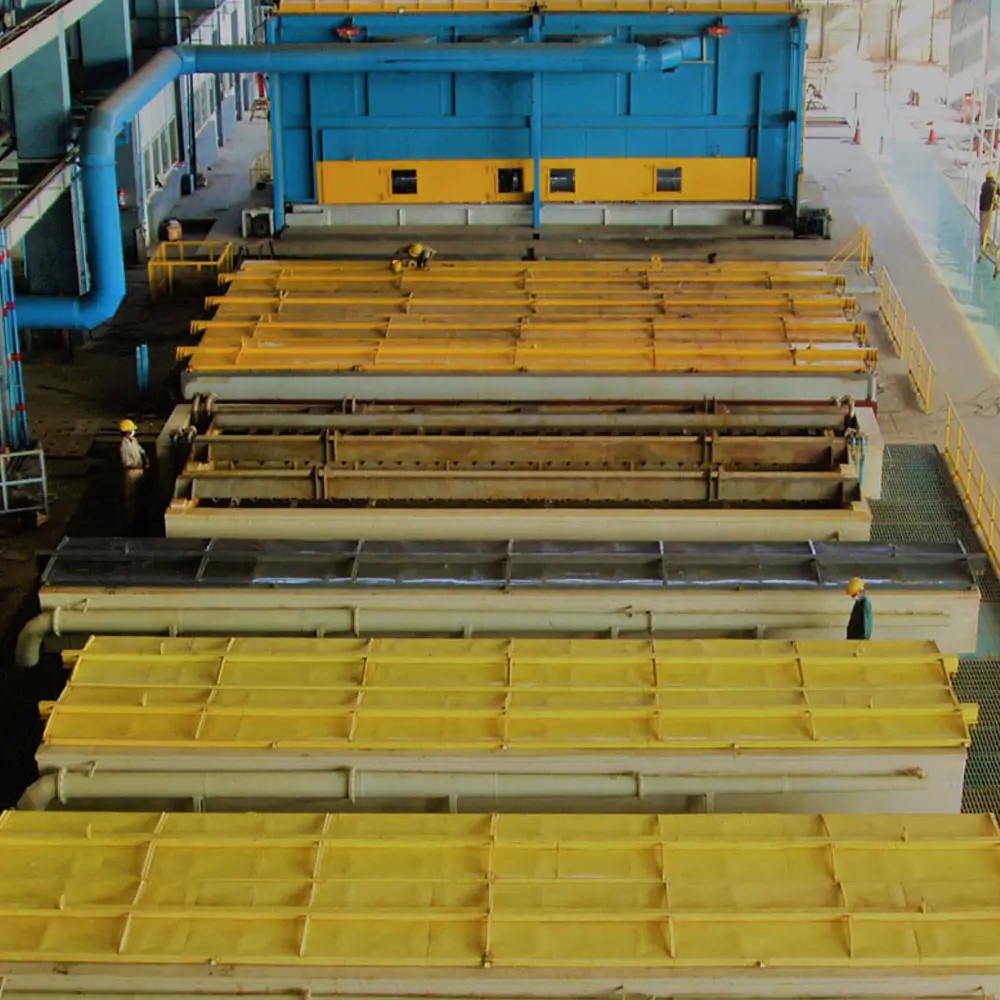
STEP Techno Solutions LLP is developing pickling facility designs that incorporate reinforced tank structures, cutting-edge welding technology and integrated fume control, allowing operators to work with equipment that enhances safety rather than works against them. The company is a renowned Pickling Plant manufacturer in India, with a focus on creating Inline, Batch, Tunnel, and Fumeless pickling lines designed for maximum safety and durability for the processing of steel, pipe, tube and wire.
If you’re considering upgrading an existing tank or installation that has been corroded or compromised, it is quite possible that you will be able to eliminate many of the common safety issues associated with leaks, cracks, and chemical deterioration by using a reputable Pickling Tank Manufacturer in India. These mild steel supported, modern polypropylene lined tanks are far more resistant to acid exposure than the older tank designs that are still in use in many plants today.
Building a Culture of Safety, Not Just a Checklist
Safety protocols are best implemented as a daily routine and not just a checklist that is called out at audits. Supervisors should be on the floor regularly; there should be no fear for operators of reporting near-misses and safety reviews should be conducted following all incidents, including minor ones. Low accident rates are best maintained by a combination of effective equipment design and an active safety culture.
Close working relations with clients throughout the installation and commissioning process to guide the client through the correct operating procedures to follow for their specific plant configuration. New operators have the opportunity to learn how to operate the system without getting their lessons the hard way.
Common Mistakes That Compromise Pickling Plant Safety
Even well-run facilities can slip into habits that quietly raise their risk profile. Recognizing these patterns early makes it far easier to correct course before an incident occurs.
- Delaying tank maintenance: Small surface cracks or coating wear are often left unattended because the tank still appears functional. Left unchecked, these minor flaws widen into leaks that release acid onto the plant floor.
- Overloading the pickling line: Pushing more material through a tank than it was designed to handle strains pumps, heating elements, and structural components, shortening equipment life and raising the odds of a mechanical failure.
- Skipping PPE for “quick” tasks: Operators sometimes skip gloves or face shields for jobs they consider brief or low-risk. Acid does not distinguish between a short task and a long one, and a single splash can cause lasting injury.
- Ignoring fume extraction alarms: Some facilities treat ventilation alerts as a minor inconvenience rather than a signal to stop and investigate. Airborne acid fumes build up quickly in enclosed spaces and can affect an entire shift, not just the person nearest the tank.
- Using mismatched acid concentrations: Different metals and processing needs call for different acid types and strengths. Using the wrong concentration not only affects product quality but also increases fume output and corrosion risk within the tank itself.
Addressing these mistakes usually costs far less than recovering from the accident they eventually cause, which is why regular audits and open reporting channels matter as much as the equipment itself.
Long-Term Benefits of a Safety-First Approach
Facilities that treat safety as a core operating principle, rather than a compliance checkbox, tend to see fewer unplanned shutdowns, lower maintenance costs, and better product consistency. Workers who trust their equipment and environment are also more likely to follow procedures closely, creating a positive cycle where safety and productivity reinforce each other.
Investing in durable tanks, proper ventilation, and trained personnel pays off over years of operation rather than just the first few months. Facilities that cut corners on any of these fronts often find themselves paying more later, whether through repair costs, regulatory penalties, or lost production time following an incident.
Why Choose Us
STEP Techno Solutions LLP brings together engineering precision and practical safety thinking in every pickling plant and pickling tank it builds. As an established Pickling Plant manufacturer in India, the company designs systems using advanced welding technology, reinforced tank structures, and integrated fume extraction, so plants are safer to operate from the first day of installation. Clients across the automotive, steel, wire, and tube processing industries choose the company because the equipment is built for long-term durability, not just short-term compliance. As a trusted Pickling Tank Manufacturer in India, the team also supports clients with installation guidance and after-sales service, making the transition to safer, more reliable pickling operations straightforward for facilities of any size.
Conclusion
Pickling plant safety depends on a combination of well-engineered equipment, disciplined daily practices, and ongoing operator training. From tank construction to fume extraction and emergency preparedness, every element plays a part in preventing accidents on the shop floor. Partnering with an experienced manufacturer gives facilities a strong starting point, while consistent training and inspection routines keep that safety record intact over time. STEP Techno Solutions LLP continues to support industries across India with pickling systems designed to make daily operations safer, more efficient, and better prepared for long-term production demands.
Want safer, more reliable pickling operations? Talk to STEP Techno Solutions LLP for expert guidance on pickling plants and tanks. Call +91 98988 75757 or email info@steptsl.com.
Frequently Asked Questions
What are the essential safety tips for pickling plant operators?
Operators should invest in quality tank construction, provide personal protective equipment (PPE), install proper fume extraction systems, and train workers on chemical handling. Regular inspections and clear labeling of areas are also critical for maintaining a safe environment.
How can partnering with a pickling plant manufacturer in India improve safety?
Choosing a reliable pickling plant manufacturer in India ensures that the equipment is designed with safety in mind, including features like reinforced tank structures and effective fume management systems. This foundational support can significantly reduce the risks associated with pickling operations.
What type of personal protective equipment is necessary in pickling plants?
All operators near acid tanks should wear chemical-resistant gloves, face shields, aprons, and rubber boots. Regular checks for damage and prompt replacement of PPE are essential to prevent chemical burns and ensure safety.
Why is proper fume extraction critical in a pickling plant?
Effective fume extraction systems are necessary to control harmful acid fumes that can irritate respiratory systems and pose long-term health risks. Proper ventilation maintains air quality within acceptable health limits, ensuring a safer working environment for operators.
What common mistakes should be avoided to ensure pickling plant safety?
Common mistakes include delaying tank maintenance, overloading the pickling line, skipping PPE for quick tasks, and ignoring fume extraction alarms. Recognizing and addressing these issues early can help prevent serious accidents and maintain safety standards.