Key Takeaways
- A wire pickling tank is crucial for effective surface preparation in wire manufacturing.
- Choosing a reliable Wire Pickling Tank Manufacturer in India ensures high-quality equipment and consistent production processes.
- Proper pickling removes contaminants, enhancing adhesion for subsequent coating processes.
- Durable materials in tank construction extend the life and efficiency of the pickling process.
- Investing in advanced pickling technology minimizes downstream rework and maintains product quality.
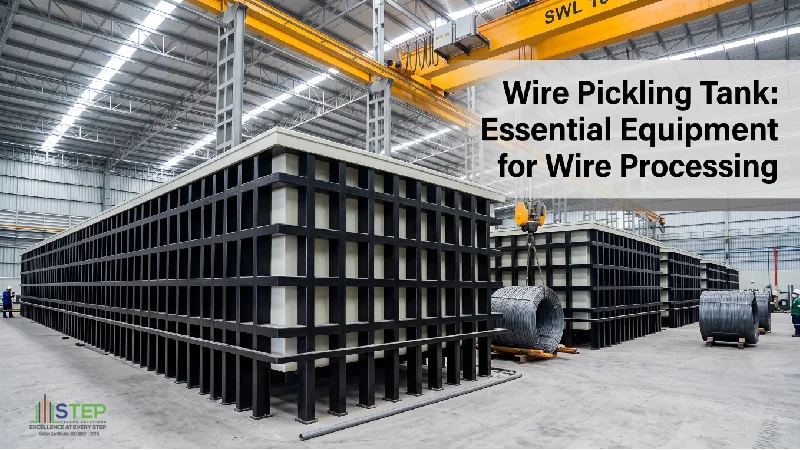
Wire processing demands precision, consistency, and high-quality surface preparation to produce durable and reliable wire products. Before wire undergoes drawing, galvanizing, coating, plating, or further fabrication, contaminants such as rust, mill scale, oxidation, grease, and other surface impurities must be removed effectively. A professionally designed wire pickling tank plays a significant role in preparing wire for these manufacturing processes. Choosing an experienced Wire Pickling Tank Manufacturer in India allows industries to invest in dependable equipment that supports productivity and consistent product quality.
A high-quality wire pickling tank contributes to smoother manufacturing operations by improving surface cleanliness, reducing defects, and supporting better adhesion of coatings. As industrial production standards continue to rise, reliable surface treatment equipment has become an important investment for wire manufacturers.
STEP Techno Solutions LLP develops advanced wire pickling tanks designed for modern industrial applications. With durable construction, practical engineering, and reliable operational performance, the company has established itself as a trusted Wire Pickling Tank Manufacturer in India, serving diverse industrial sectors across the country.
The Role of Pickling in Wire Manufacturing
Wire production is a process that consists of several sequential steps such as rod drawing, surface preparation, coating and final finishing. During one of these stages, scale, rust, and oxide layers form on the wire surfaces, requiring them to be removed prior to the wire moving forward to the next steps of galvanizing or coating, or additional drawing. The process of pickling removes these impurities and places a clean metal surface into the next process of production by using an acid bath.
If not pickled properly, wire can experience weak coating adhesion, surface finishing irregularity and overall product quality issues during subsequent pickling operations. This is why the equipment used this stage is as crucial as the equipment used for the drawing or coating process, and manufacturers make sure to not overlook it while designing their production line but go out of their way to choose the equipment from a Wire Pickling Tank Manufacturer in India with whom they have already experienced and are satisfied with.
How Pickling Tanks Fit Into the Wire Production Line
Positioned Between Drawing and Finishing
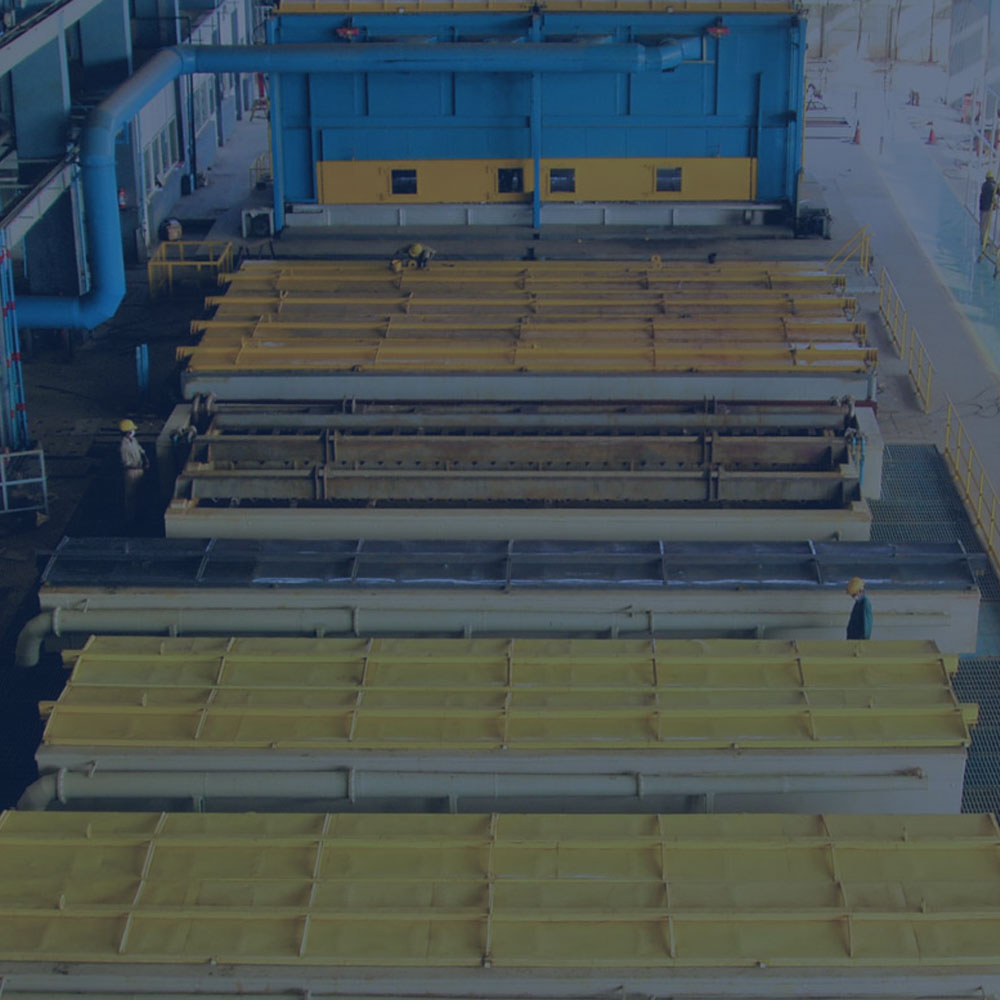
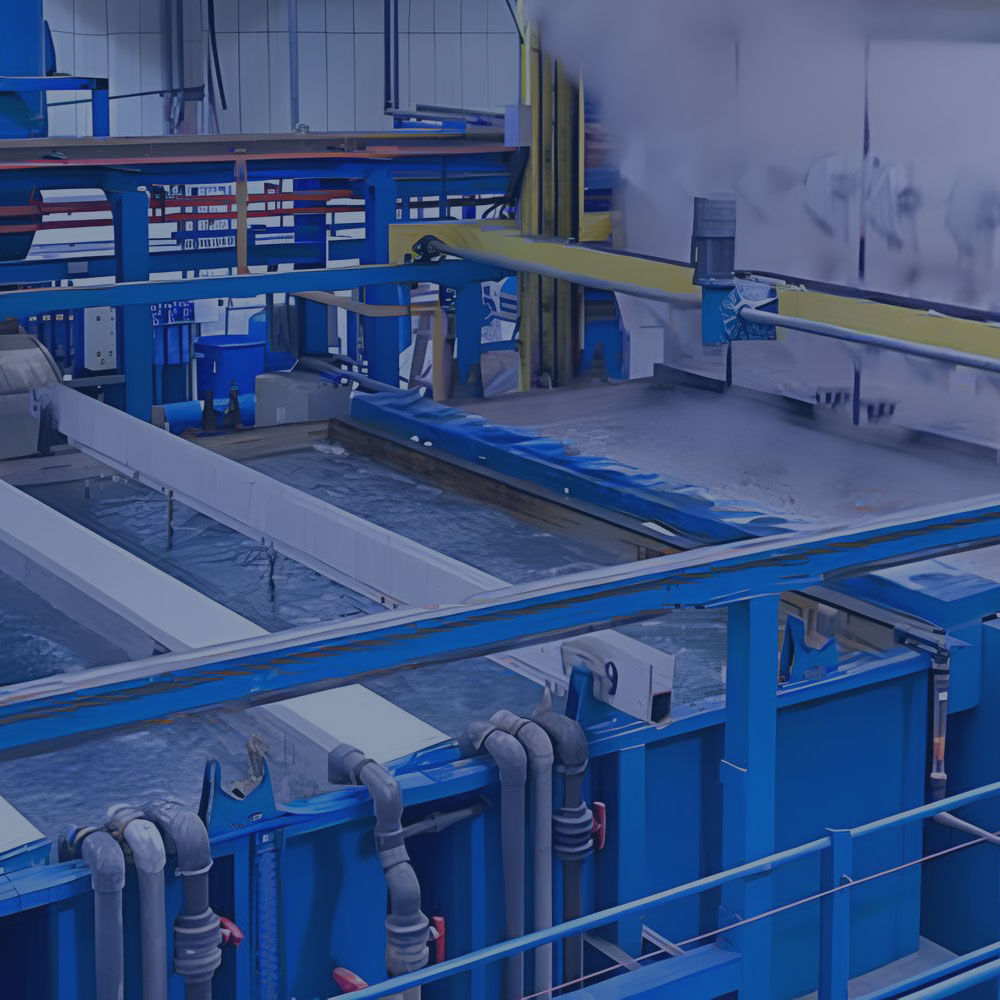
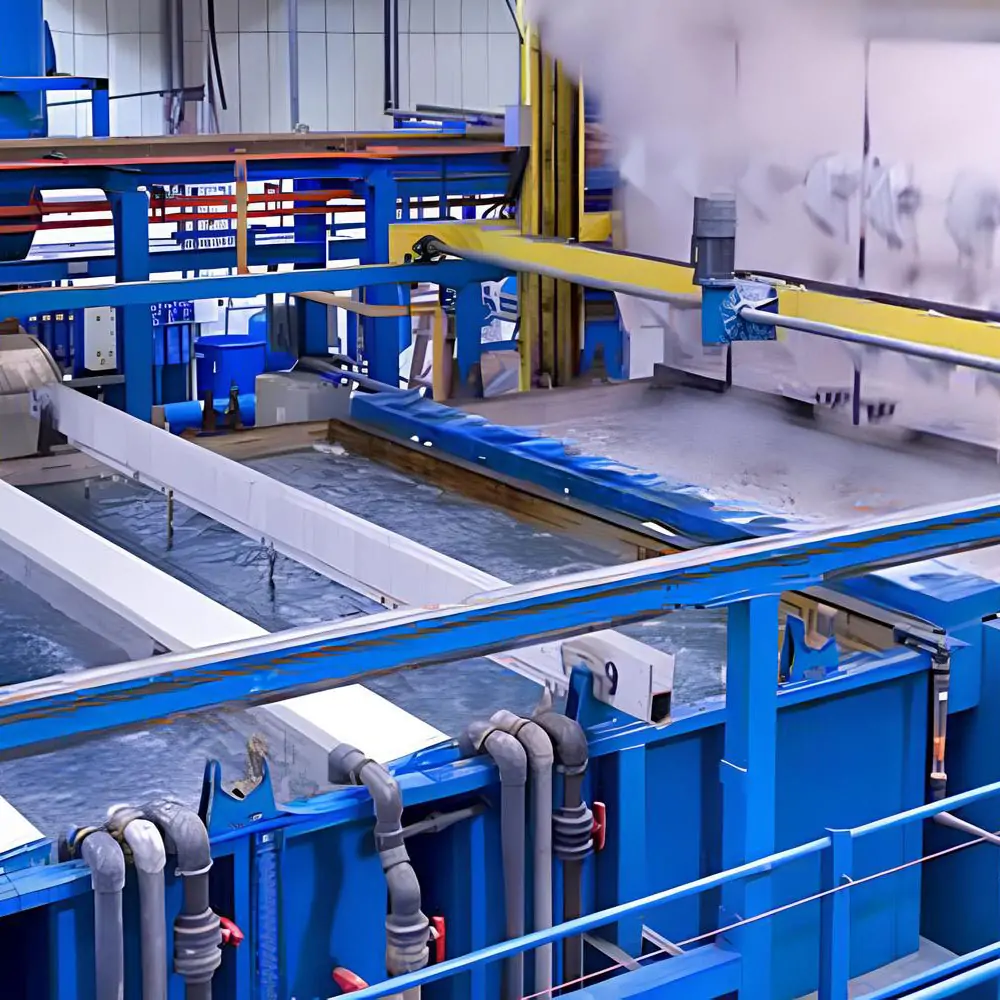
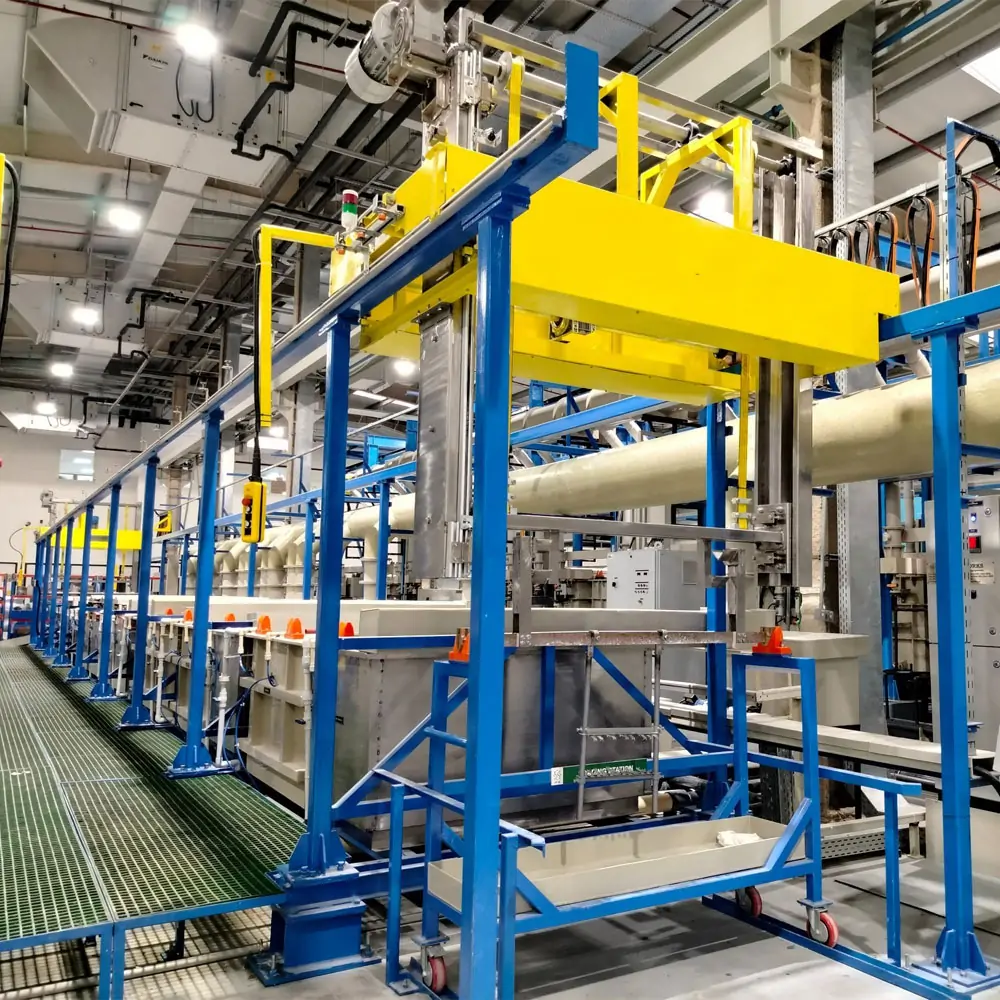
Typical wire production process includes pickling tanks which are placed after initial drawing or annealing operation where surface oxidation is most likely to have been achieved. The wire is then wound around in the acid bath, either coiled or as a continuous line according to the type of production and then rinsed and then finally processed for galvanizing or applying finishes.
Supporting Continuous or Batch Processing
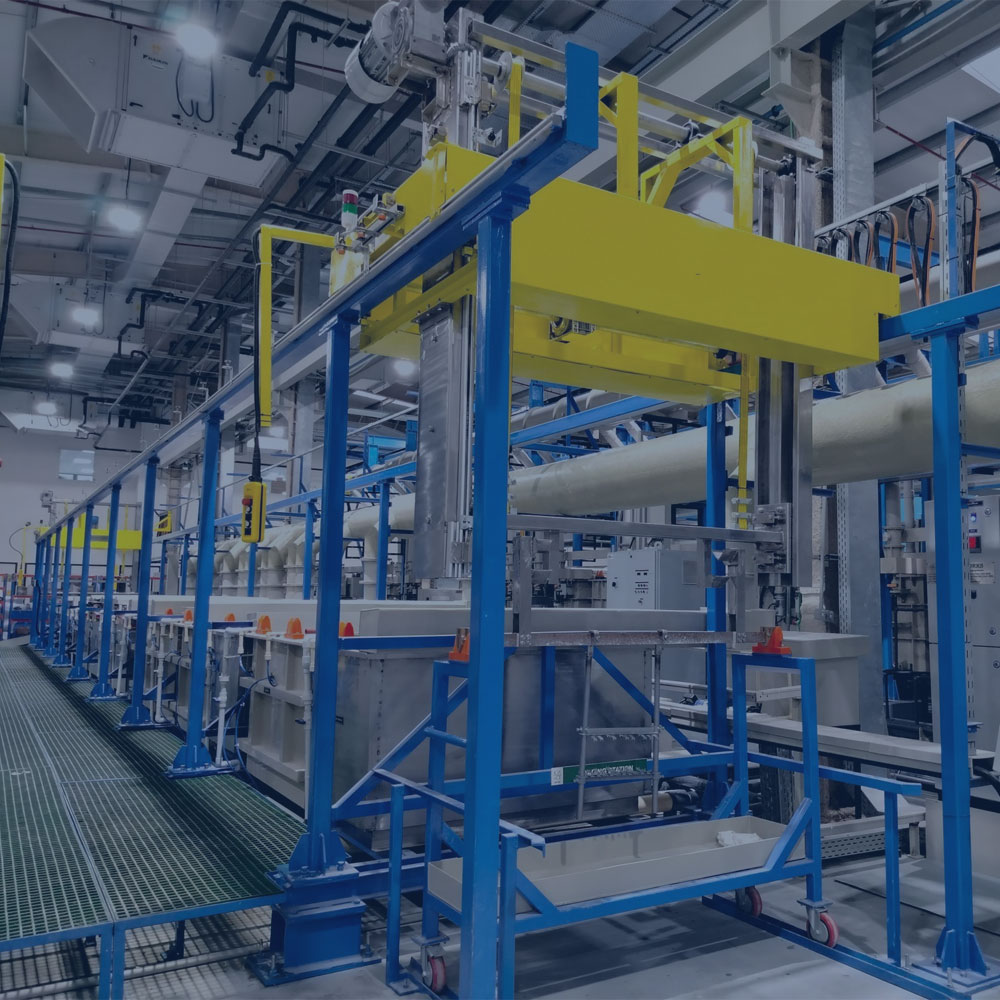
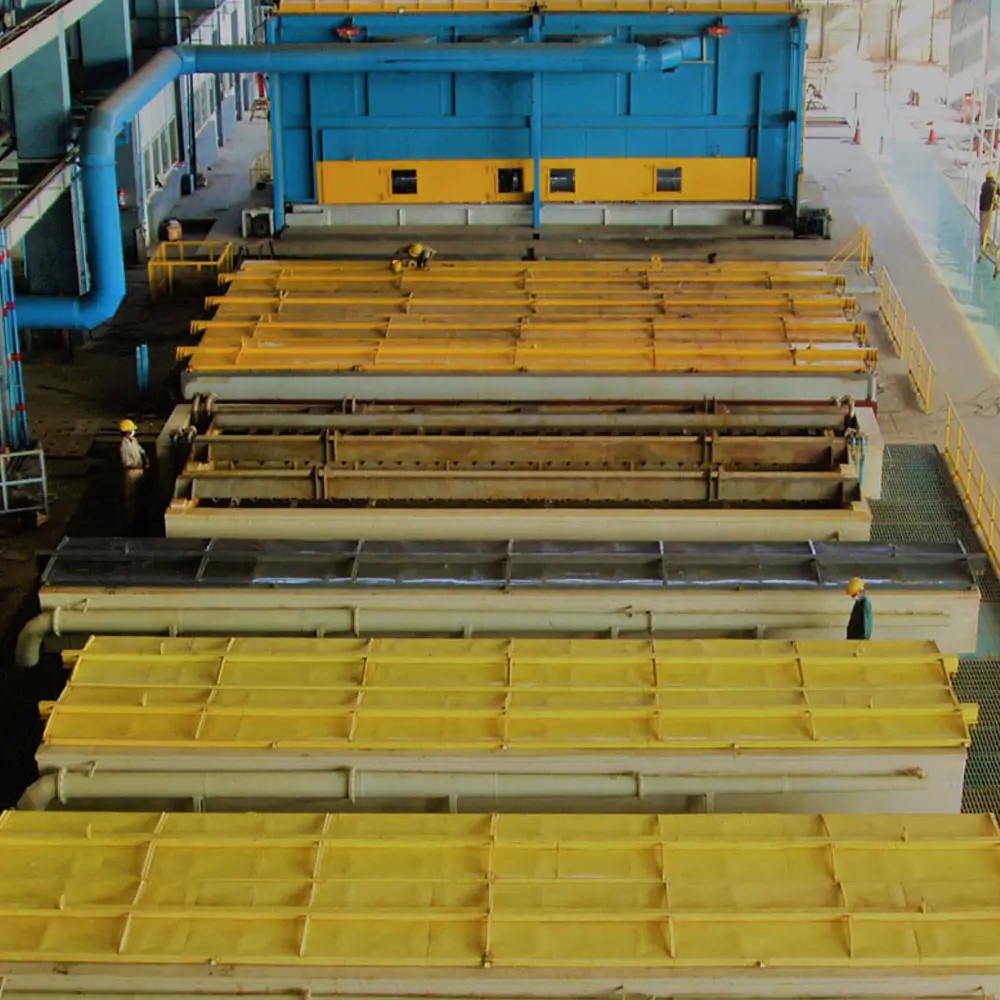
Pickling tanks may be configured for continuous wire processing lines or for treating wire coils in batches depending upon the size of the operation. Large-scale operation with high volume output is well suited for continuous systems; smaller operation or facility may be well suited to batch systems to accommodate the production of diverse wire specifications in different production runs.
Core Design Elements That Support Reliable Wire Processing
Material Built for Chemical Endurance
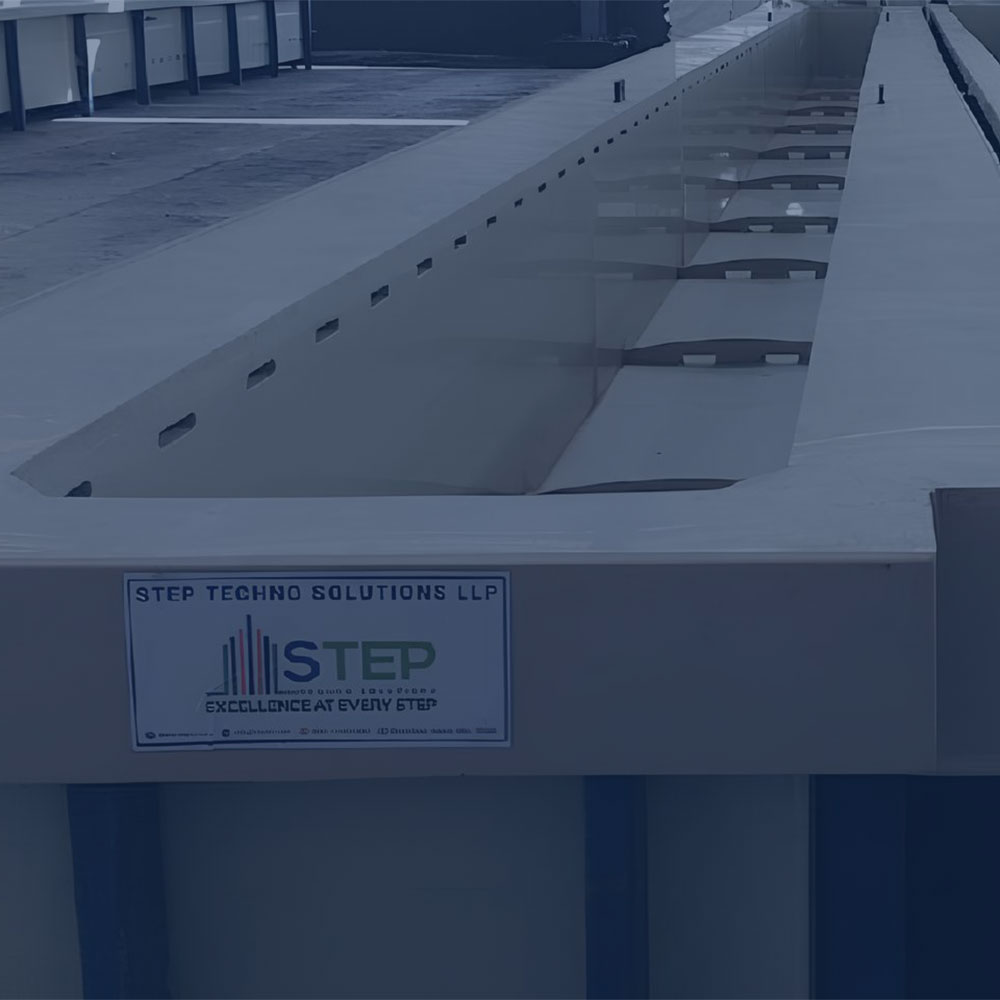
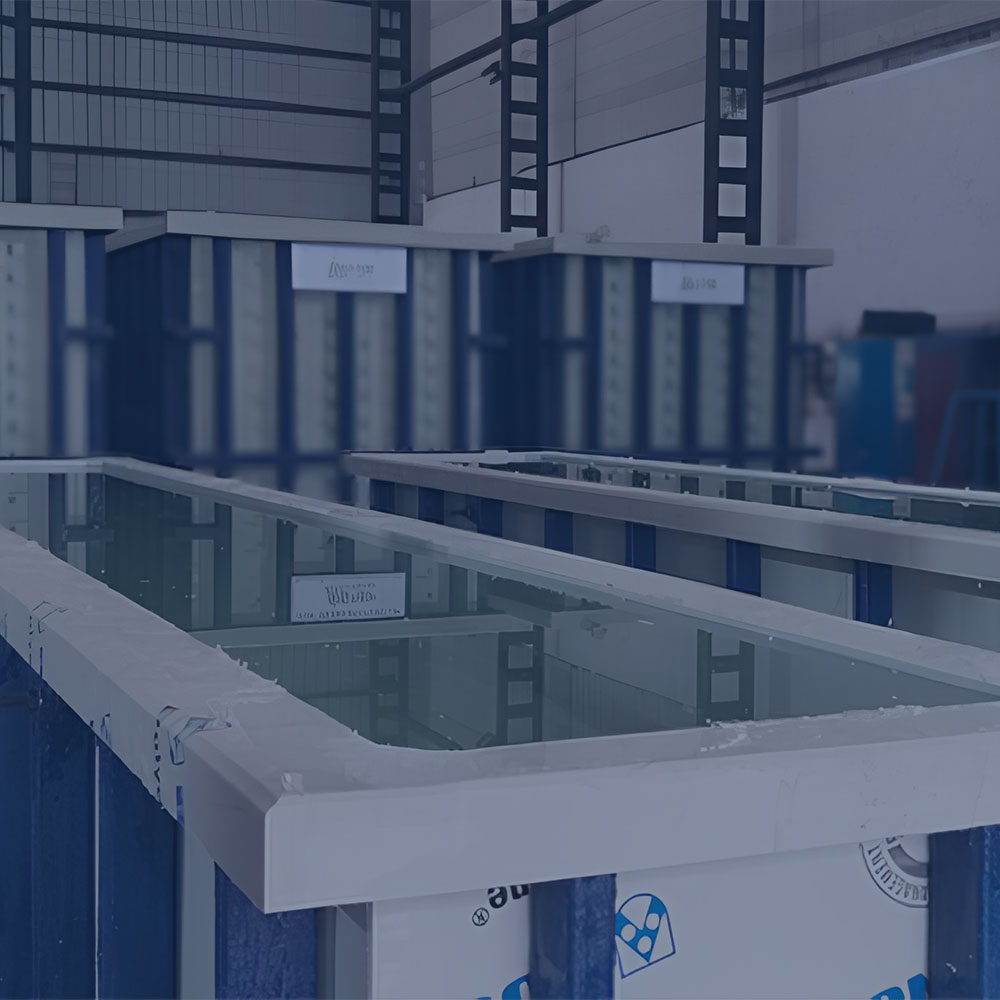
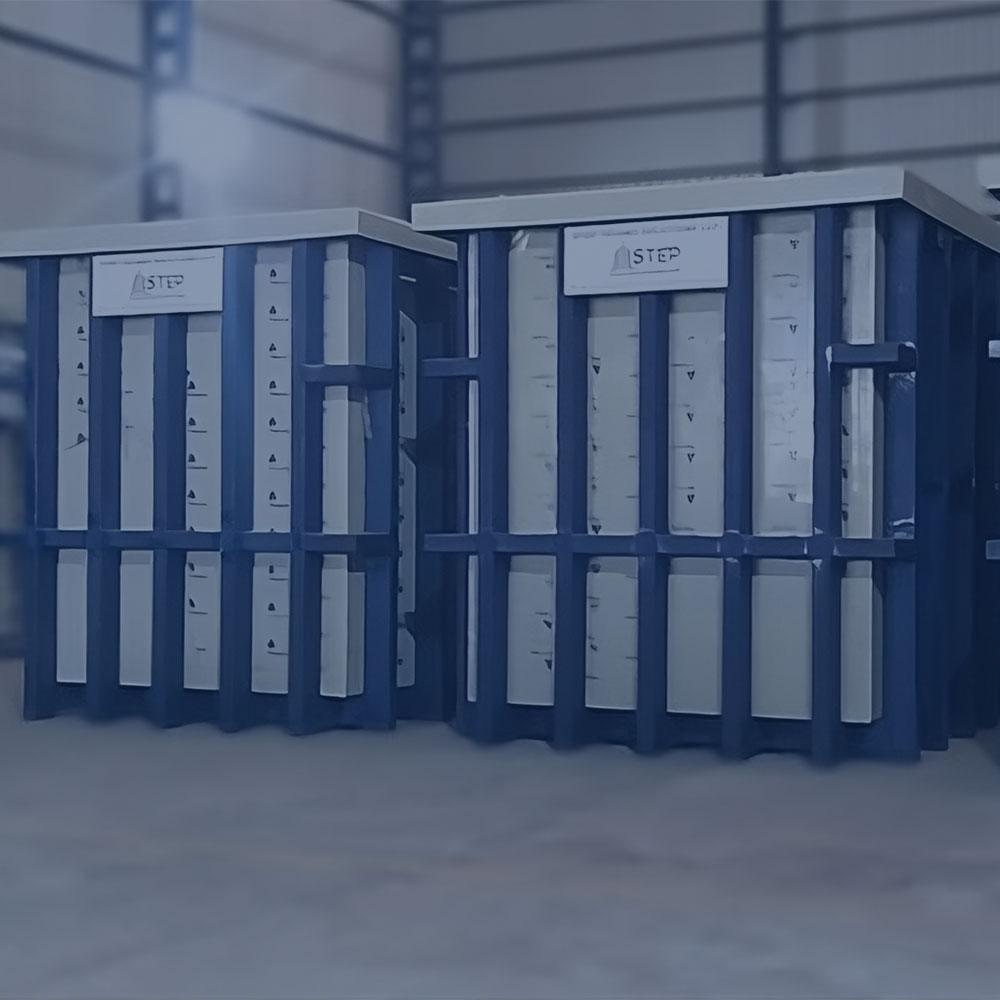
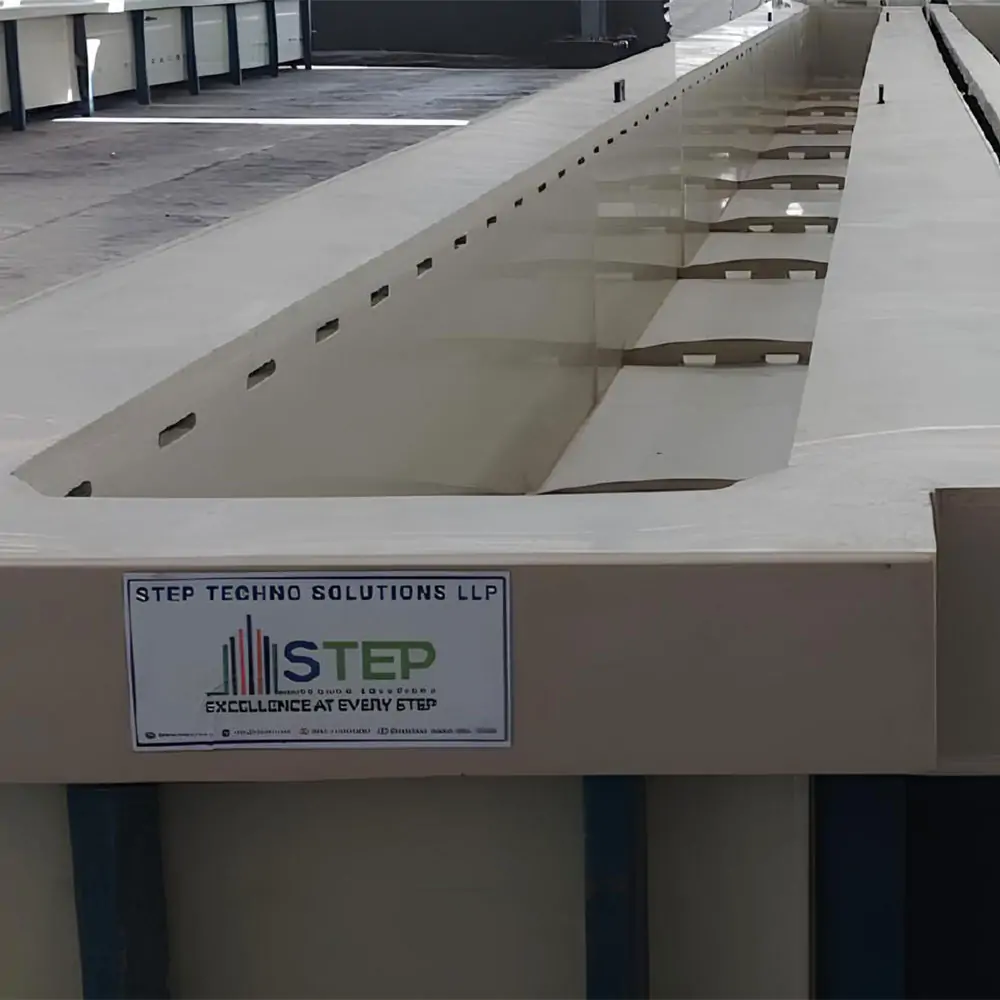
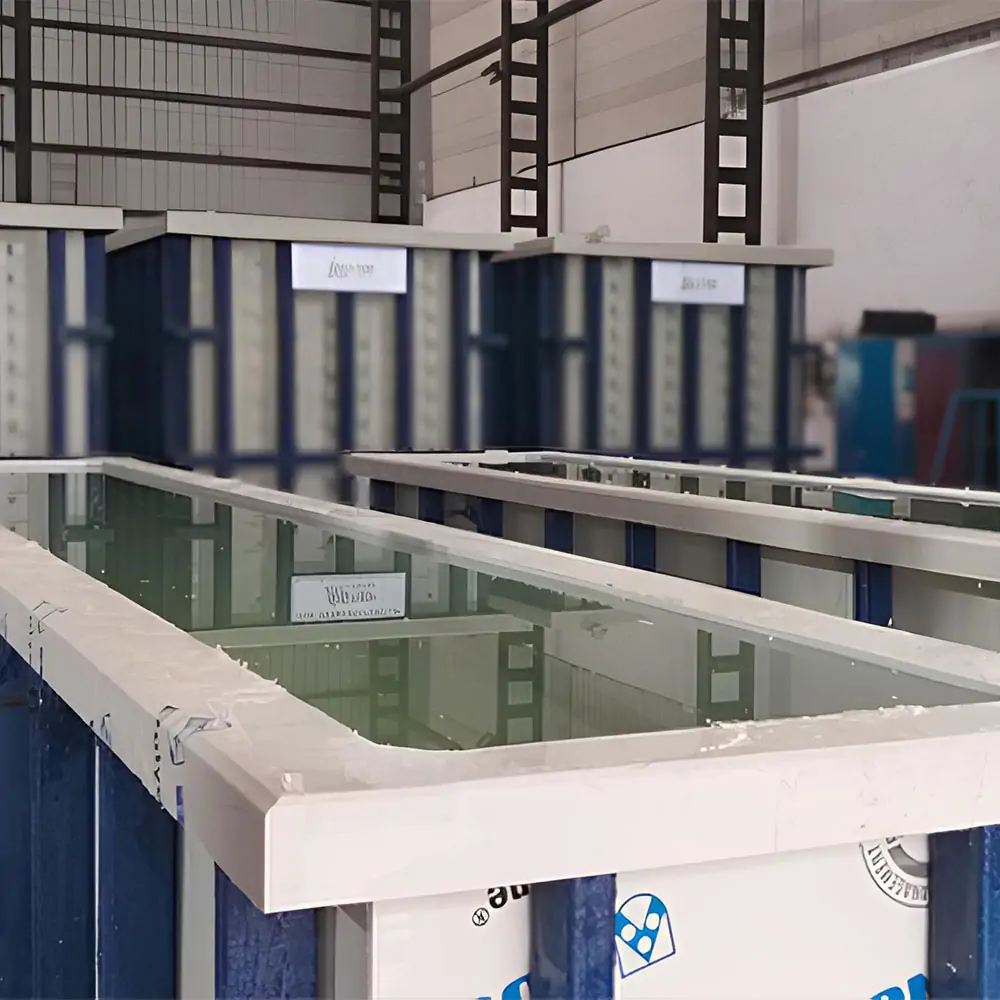
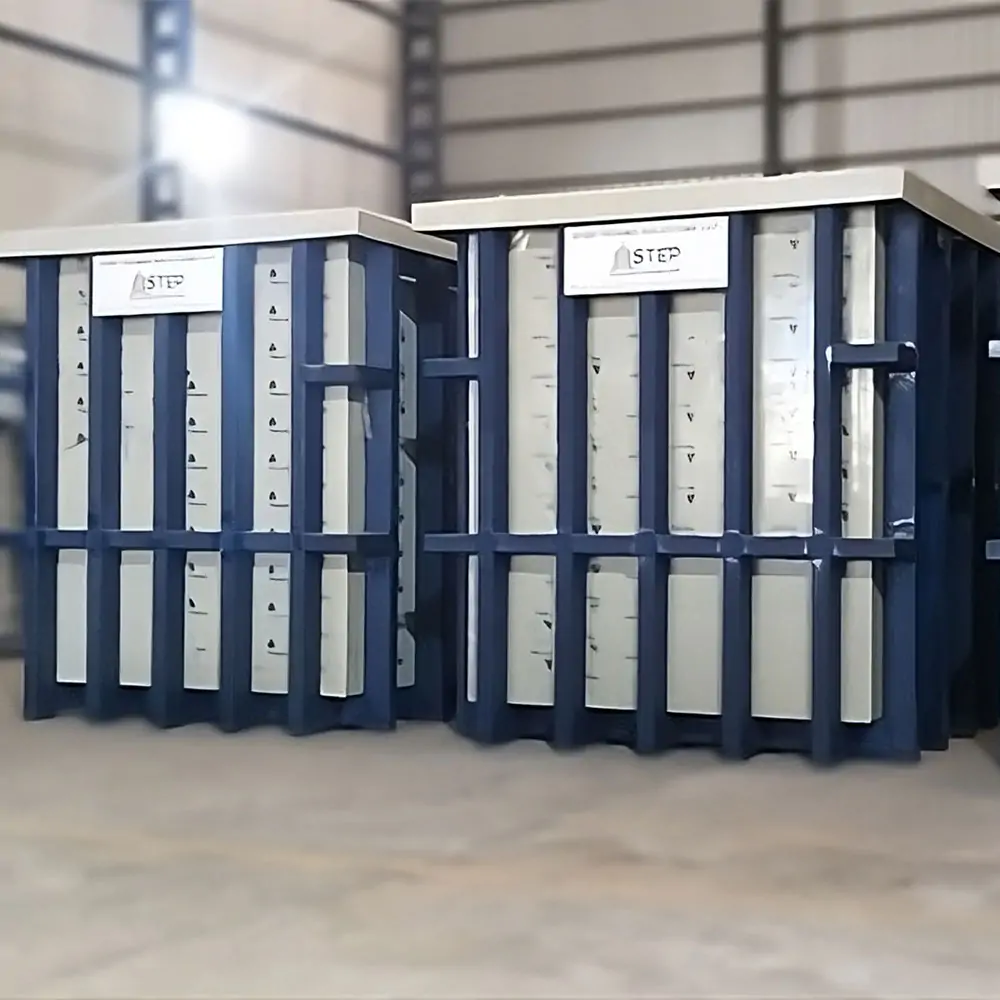
The material to be used in pickling tanks must be resistant to corrosion and possess the ability to resist the corrosion effect when exposed repeatedly to the solution. Some materials like polypropylene, HDPE and stainless steel are frequently chosen because they are highly resistant to corrosive chemical solutions, ensuring the tank’s integrity throughout the production process. This durability has a direct impact on the consistency of the pickling process throughout the working life of the tank.
Sized to Match Production Volume
Wire processing facilities range greatly in size from small specialty wire processors to large industrial wire plants with continuous production lines. Customizable capacity and dimensions enable manufacturers to precisely match the size of equipment to their production volume, eliminating the inefficiency of having too much or too little equipment, and avoiding the bottlenecks that can occur with too small a tank to handle the drawing line’s output.
Engineered for Heat and Chemical Demands
For pickling it is necessary to raise the temperature to accelerate the chemical reaction of the acid with the oxide film on the surface of the wire. Repeatable temperature demands require that tanks perform consistently through repeated heating cycles, not warp or lose strength. It is also essential that the materials are chemically compatible with the particular acid solution to be used as they can deteriorate much more rapidly than predicted in actual production conditions if they are not chemically compatible.
Why This Equipment Directly Affects Product Quality
Consistent Surface Preparation
The quality of the wire’s surface emerging from the pickling stage has a direct effect on the adherence of the subsequent coatings – galvanizing or drawing lubricants – to the metal surface. A Wire Pickling Tank Manufacturer in India who is aware of this correlation has the ability to create tanks that can provide 100% and uniform chemical immersion, preventing patchy or incomplete cleaning that can affect the downstream processing.
Reduced Downstream Rework
If pickling is not efficient enough at removing surface contaminants, the problems will only be noticed later in the production process, sometimes after coating or galvanizing. This creates expensive re-work or rejections later on in the production process. This risk can be minimized by investing in a well-designed pickling tank at the outset, thus preserving the value of the earlier stages of production.
Supporting Long-Term Production Reliability
When the equipment at the pickling stage is down, it can cause the entire wire production line to be down, because wire can’t go any further to be coated or finished without being processed at this stage. Having reliable and well-maintained pickling tanks helps to keep production programs on track and prevent the domino effect that equipment failure might have in the production area following this stage.
Industries That Depend on Wire Pickling Equipment
From supporting the structure in construction to precision parts in the automotive sector, wire’s appearance in various applications depends on its proper treatment in pickle, a process that forms the foundation for its use in diverse industries. For fasteners, cable producers and industrial wire suppliers, the consistent quality of pickling is a basic requirement before the products can proceed to coating or additional mechanical treatments.
Choosing the Right Manufacturer for Your Production Line
When choosing equipment from the right manufacturer, it’s not just about the cost of the tank. Consider the type of manufacturing experience the manufacturer has had with processing wire, the ability to tailor the size and capacity of a tank for a particular manufacturing line, and the manufacturer’s overall knowledge of other surface treatment equipment like pickling and galvanizing equipment. This kind of experience has resulted in tanks that are truly designed to meet the practical needs of continuous wire production, and not generic industrial containers repurposed for wire production.
Why Choose us
Wire manufacturers across India rely on STEP Techno Solutions LLP for pickling equipment because reliable surface preparation depends on tanks engineered specifically around the demands of continuous wire processing. With decades of experience in surface treatment technology, STEP Techno Solutions LLP builds pickling tanks using corrosion-resistant materials suited to sustained acid exposure, helping wire manufacturers maintain consistent quality across long production runs. As a trusted Wire Pickling Tank Manufacturer in India, STEP Techno Solutions LLP offers customizable capacity and configuration options that integrate smoothly into existing drawing and finishing lines. Businesses across the wire manufacturing sector consistently choose STEP Techno Solutions LLP for its combination of durable engineering and practical understanding of how pickling fits into the broader wire production process.
Conclusion
Wire pickling may happen quietly between drawing and finishing stages, but its impact on final product quality is significant. From material selection to temperature handling and capacity planning, every aspect of tank design affects how reliably wire surfaces get prepared for coating and galvanizing. STEP Techno Solutions LLP brings decades of surface treatment experience to wire pickling equipment, helping manufacturers maintain consistent quality across their production lines. Whether setting up a new facility or upgrading existing systems, choosing the right pickling tank protects both product quality and production efficiency.
For more information, call us at +91 98988 75757 or email info@steptsl.com. The team at STEP Techno Solutions LLP is ready to help you find the right wire pickling solution for your production line.
Frequently Asked Questions
What is the importance of a wire pickling tank in the manufacturing process?
A wire pickling tank plays a crucial role in wire manufacturing by effectively removing surface contaminants such as rust and oxidation. This surface preparation ensures better adhesion of subsequent coatings, leading to higher product quality and fewer defects.
How do I choose the right Wire Pickling Tank Manufacturer in India?
When selecting a Wire Pickling Tank Manufacturer in India, consider their experience in wire processing, the quality of their equipment, and their ability to customize tanks according to your production needs. It’s also beneficial to assess previous client feedback and their understanding of surface treatment technologies.
What materials are commonly used in wire pickling tanks?
Wire pickling tanks are typically constructed from materials like polypropylene, HDPE, and stainless steel, which offer high resistance to corrosion. This ensures the tanks maintain their integrity and functionality even when exposed to harsh acid solutions during the pickling process.
Can pickling tanks be used for both continuous and batch processing?
Yes, pickling tanks can be designed for both continuous and batch wire processing based on the needs of the operation. Large manufacturers may prefer continuous systems while smaller facilities might benefit from batch configurations to efficiently handle diverse wire specifications.
What are the consequences of inadequate pickling in wire processing?
Inadequate pickling can lead to poor coating adhesion, surface finishing issues, and overall product quality problems. These defects often result in costly rework or rejections later in the production process, emphasizing the importance of investing in reliable pickling equipment.