Key Takeaways
- Phosphating plants improve surface preparation, enhancing adhesion for coatings and paints on metal components.
- Find top phosphating plant manufacturers in India to ensure quality surface treatment solutions for your metal parts.
- Proper surface treatment significantly increases corrosion resistance and prolongs the life of metal components.
- Understanding the treatment stages of a phosphating plant is crucial for selecting the right system for your application.
- Phosphating improves surface preparation for metal components, enhancing adhesion and overall durability of coatings.
STEP Techno Solutions LLP is a leading manufacturer of phosphating plants and industrial surface treatment solutions. Metal components often require proper surface preparation before painting, coating or other finishing operations. Phosphating plant manufacturers in India provide systems designed to treat metal surfaces and create a phosphate conversion coating that supports better finishing performance and surface protection.
What Is a Phosphating Plant?
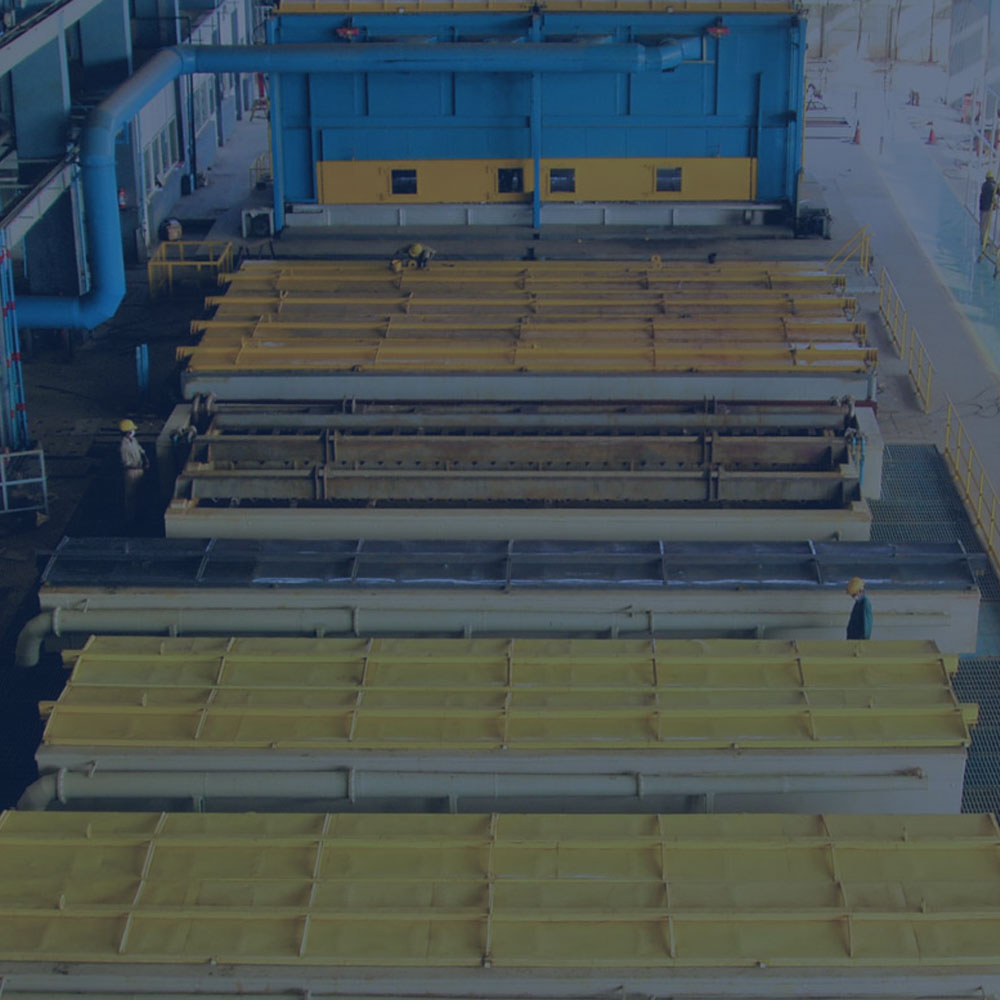
A phosphating plant is an industrial surface treatment system used to apply a phosphate coating to metal components. The process involves controlled chemical treatment of the metal surface to prepare it for subsequent operations.
Phosphating is commonly considered a pretreatment process because it changes the surface characteristics of the component before painting, powder coating or other finishing methods.
The objective is to create a more suitable metal surface for the next stage of finishing.
The plant configuration can vary depending on the type of components, production requirements, material being treated and the overall finishing process.
How Does a Phosphating Plant Work?
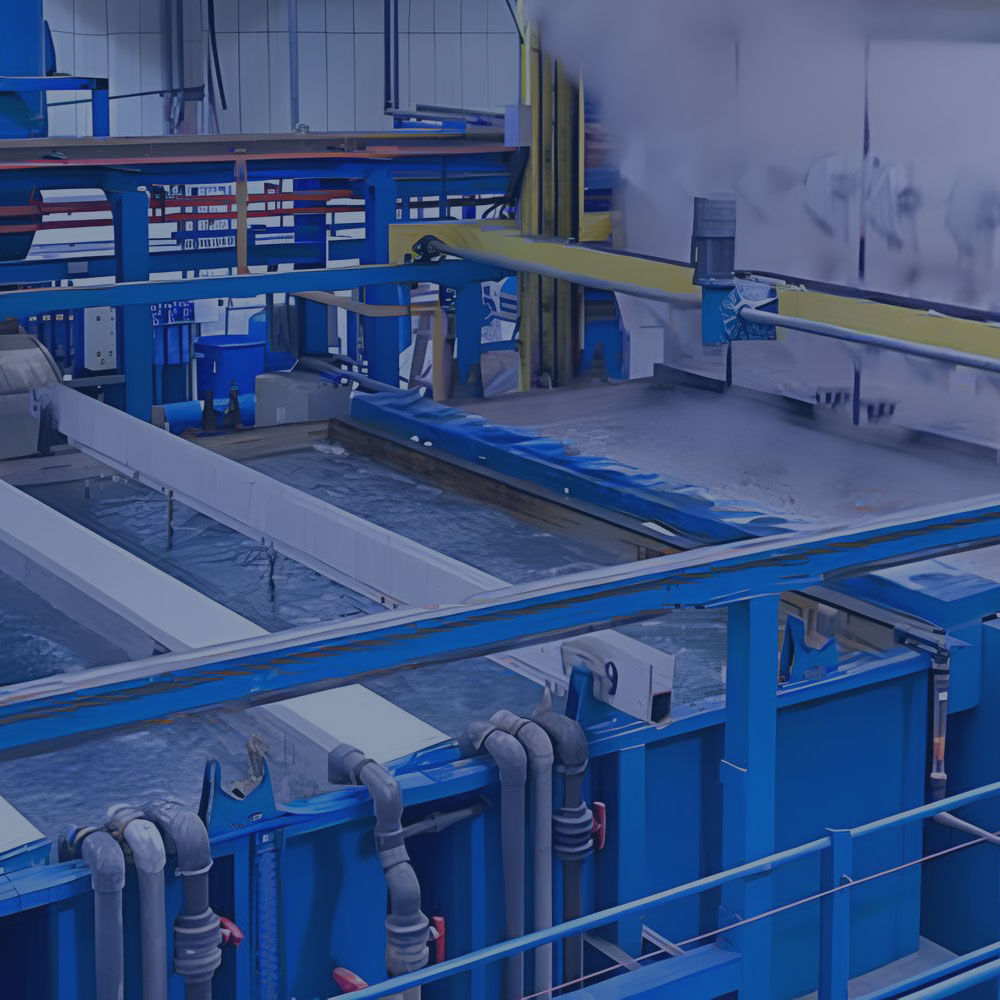
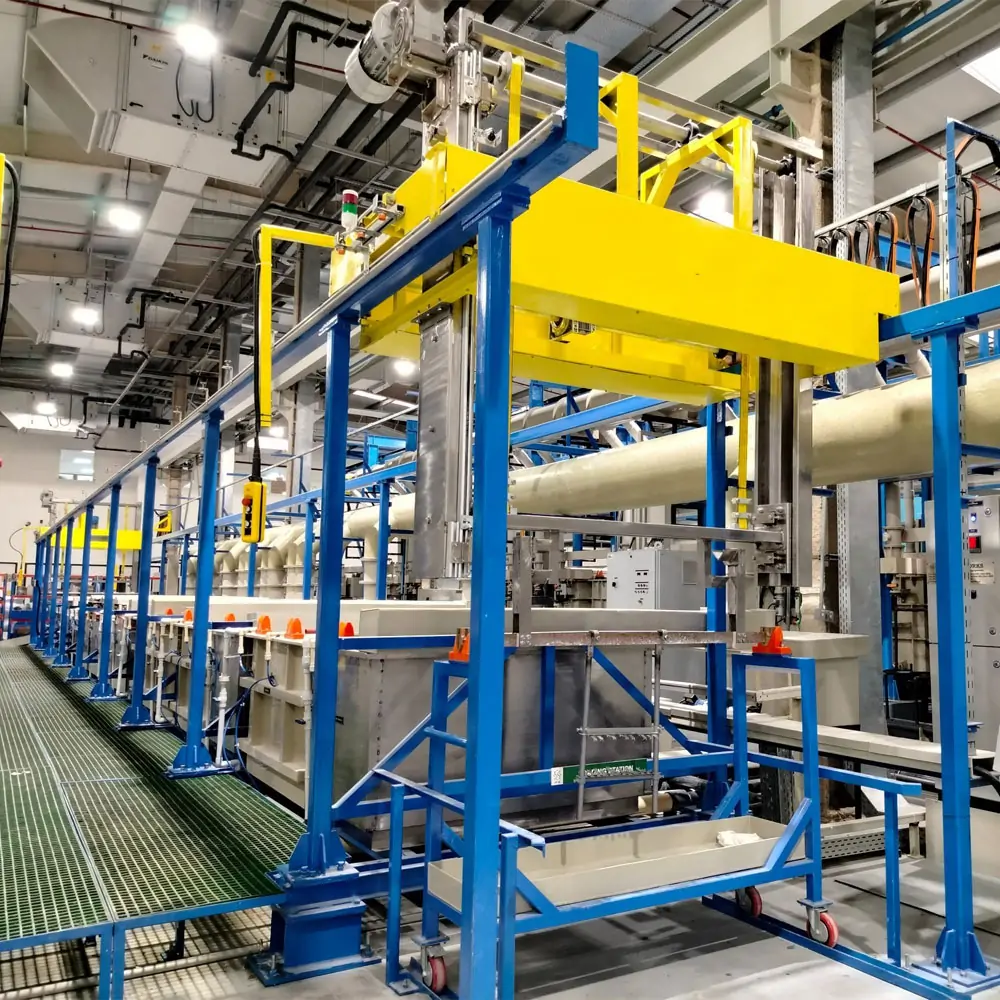
A phosphating system generally includes a sequence of treatment stages through which metal components pass. The exact arrangement depends on the application and process requirements.
For businesses evaluating Phosphating plant manufacturers in India, understanding the basic treatment sequence is important before selecting a plant configuration.
- Cleaning: The component surface is cleaned to remove oil, grease, dirt and other contaminants that may interfere with treatment.
- Water rinsing: Rinsing helps remove residues from the previous treatment stage and prepares the component for subsequent processing.
- Phosphating: The cleaned metal surface is chemically treated to develop a phosphate conversion coating.
- Final rinsing or post-treatment: Depending on the process design, additional rinsing or post-treatment may be included.
- Drying: Components may be dried before moving to painting, coating or another finishing operation.
The treatment stages are selected according to the metal, component geometry and required surface finish.
Key Benefits of Phosphating Metal Components
Phosphating can provide several advantages when integrated correctly into a metal finishing line. It is particularly useful where consistent surface preparation is required before subsequent coating operations.
Some of the key benefits include:
- Improved surface preparation before painting or coating
- Better adhesion of subsequent coatings
- Increased resistance to surface corrosion when used as part of an appropriate finishing system
- More consistent treatment of metal components
- Support for improved coating performance
- Suitable integration into automated or production-oriented finishing lines
For Phosphating plant manufacturers in India, plant design must account for the actual production process rather than treating every application in the same way.
Why Surface Preparation Matters Before Painting
Paint and protective coatings perform better when applied to a properly prepared metal surface. Oil, grease, dirt and surface contaminants can interfere with coating adhesion and finishing quality.
Phosphating adds another level of surface preparation by producing a conversion coating on the metal. This treated surface can provide a better base for the subsequent coating operation.
Good surface preparation is an important part of obtaining a consistent and durable finishing system.
The phosphating stage should therefore be considered as part of the complete finishing process, not as an isolated operation.
Applications of Phosphating Plants
Phosphating plants are used where metal components need controlled chemical surface treatment before further finishing. The application can vary based on the component material, shape and production method.
Common application areas include:
- Automotive and automobile components
- Engineering and industrial components
- Sheet metal parts
- Fabricated metal products
- Appliances and equipment components
- General manufacturing applications involving painted or coated metal parts
The most suitable plant arrangement depends on the type and volume of components being processed.
Spray Phosphating vs Dip Phosphating
Different phosphating plant configurations may be used depending on the component and production requirements. Spray and dip systems are two commonly considered approaches.
|
Criteria |
Spray Phosphating |
Dip Phosphating |
|
Treatment Method |
Chemical solution is sprayed onto components |
Components are immersed in treatment tanks |
|
Component Handling |
Suitable for line-based processing |
Suitable for immersion-based processing |
|
Geometry |
Useful for accessible surfaces |
Useful where immersion provides broader contact |
|
Plant Design |
Often arranged as a continuous line |
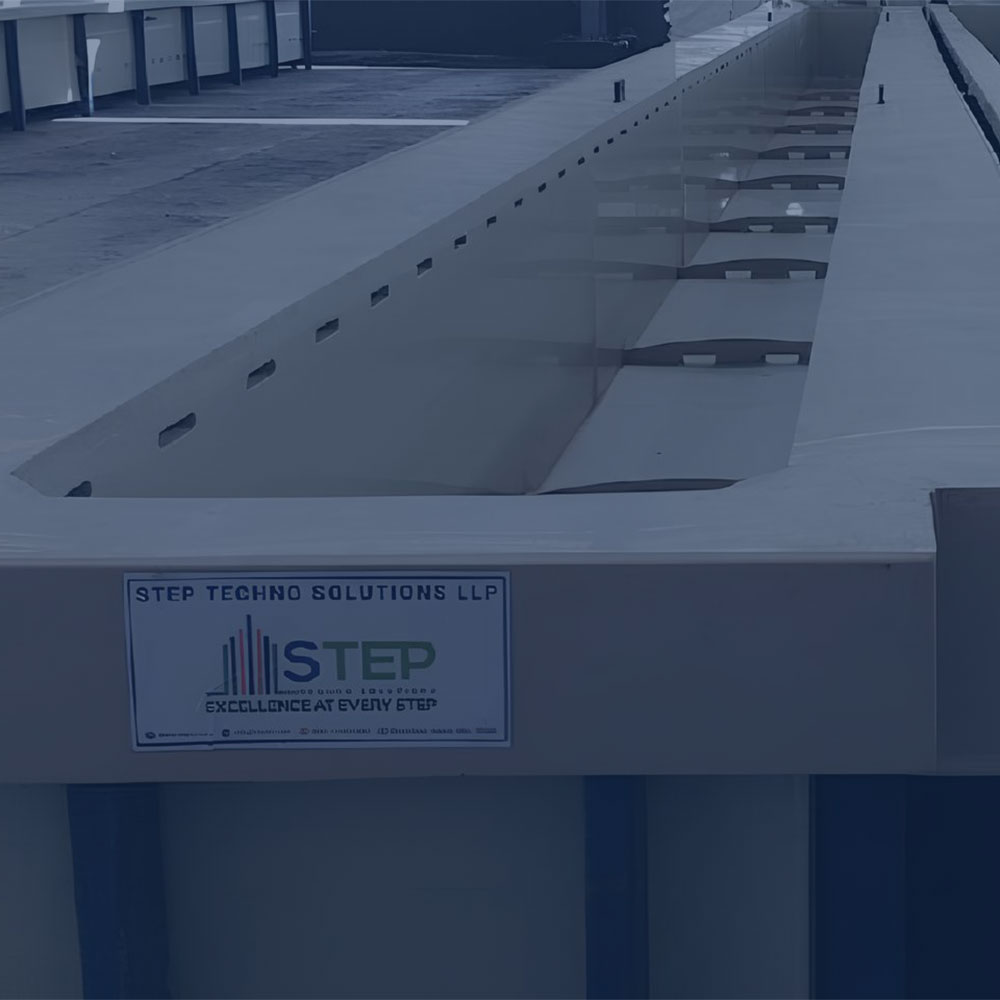
Commonly arranged with treatment tanks |
|
Application Choice |
Depends on component and production needs |
Depends on component and process requirements |
There is no single configuration suitable for every application. Plant selection should be based on component dimensions, material, production flow and finishing requirements.
Factors to Consider Before Selecting a Phosphating Plant
Choosing the right plant requires attention to the complete treatment process. Buyers should discuss the application in detail with a suitable plant manufacturer before finalizing the system.
- Type of metal components to be treated
- Component dimensions and geometry
- Required production capacity
- Spray or dip treatment requirements
- Number of treatment stages
- Space available for plant installation
- Subsequent painting or coating process
- Desired level of process automation
A clear understanding of these factors helps the plant design align with the actual manufacturing environment.
Importance of Plant Design and Process Control
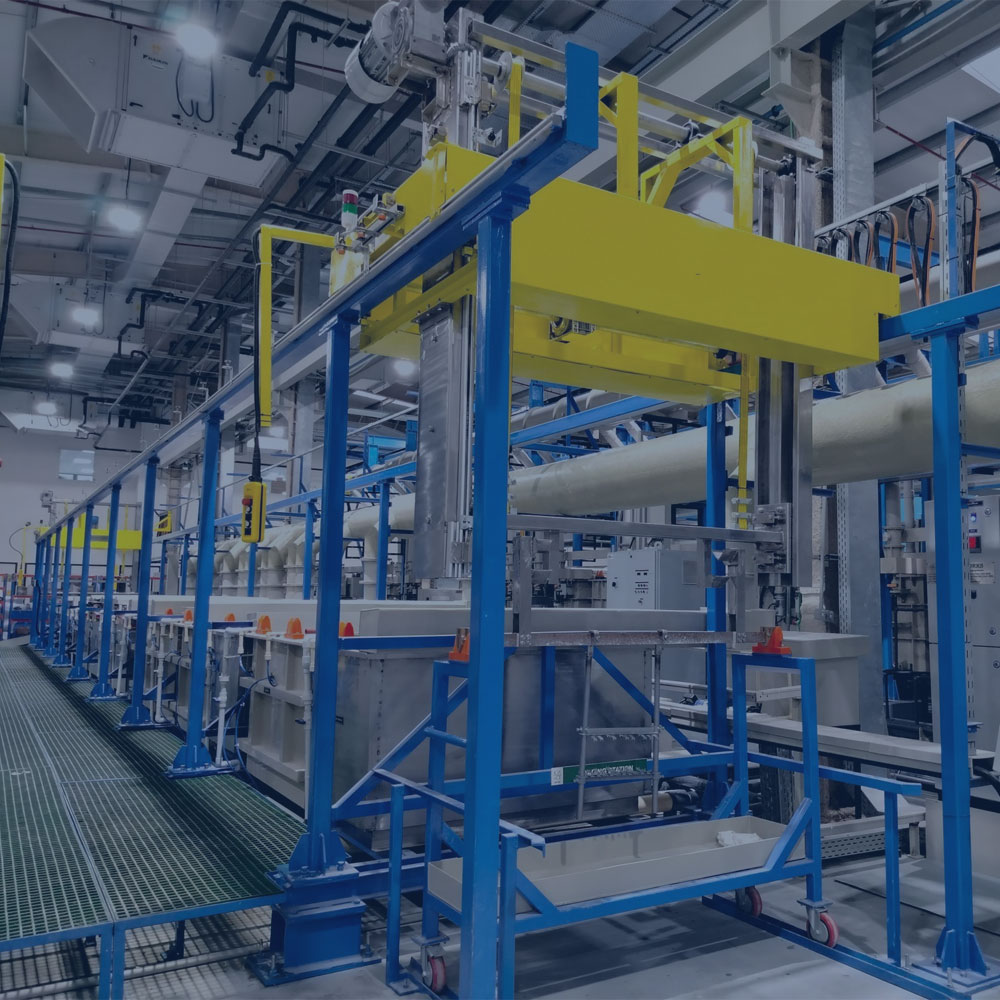
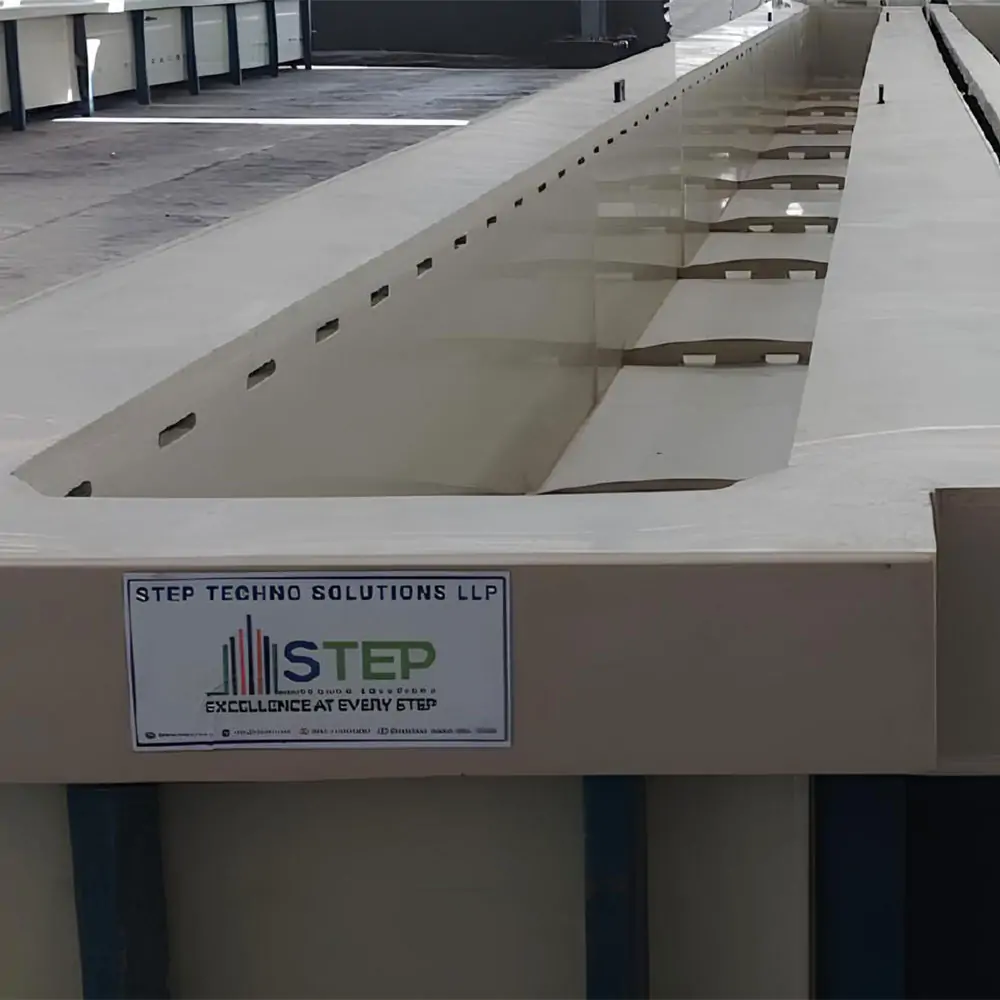
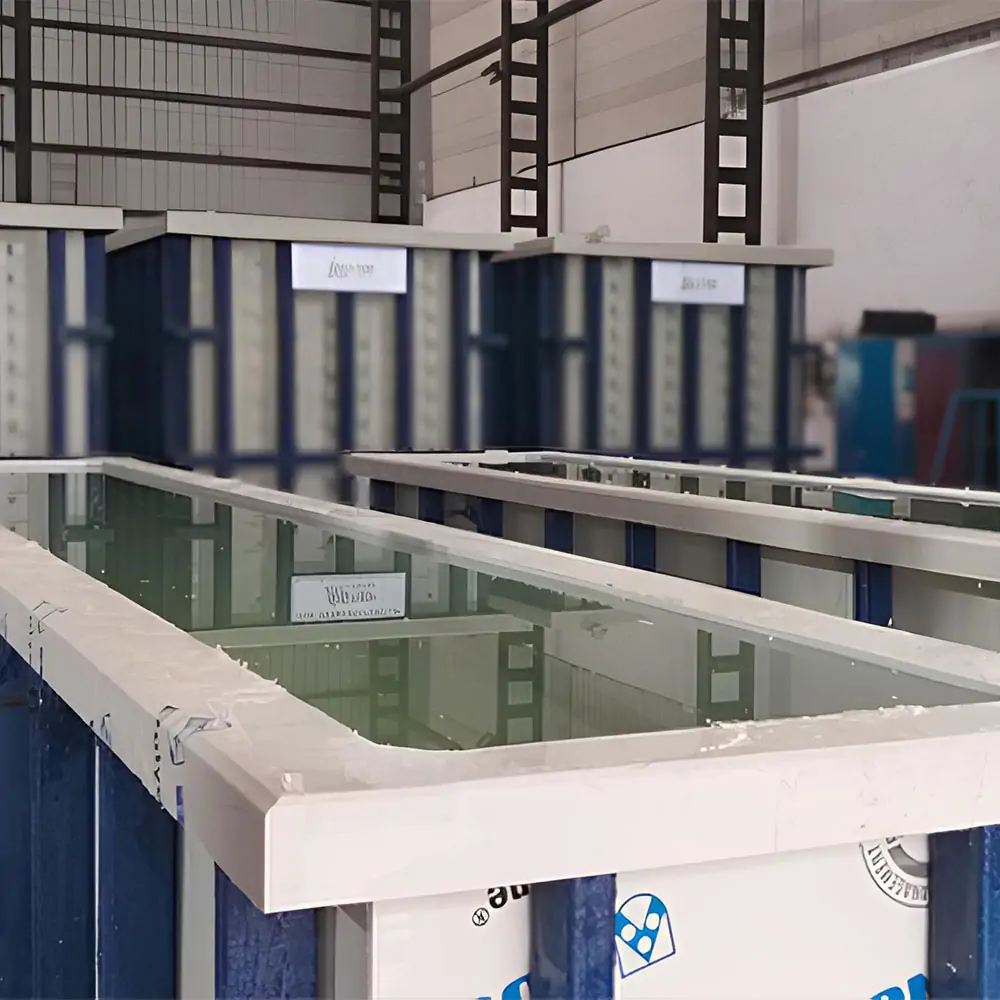
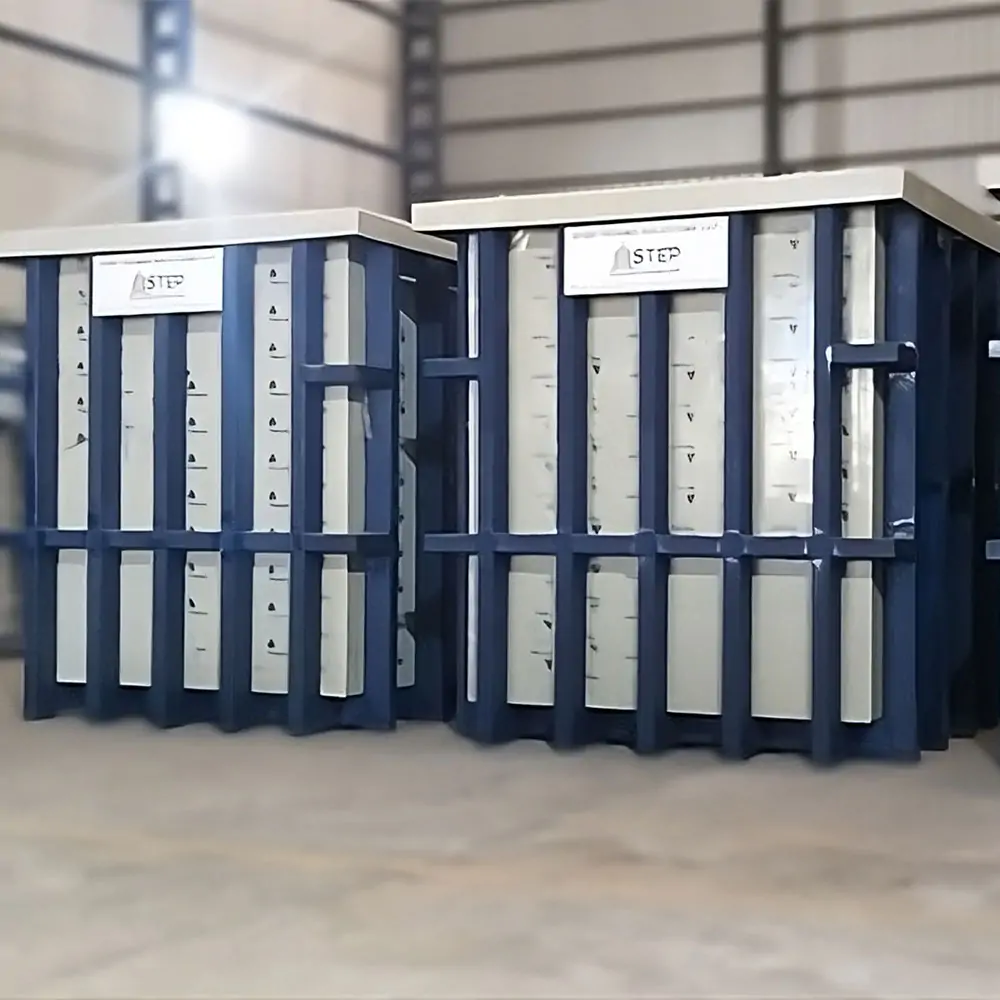
A phosphating plant involves multiple treatment stages, tanks or chambers, chemical handling arrangements and component movement systems. Each part contributes to the overall surface treatment process.
Proper plant configuration helps maintain a controlled and repeatable treatment sequence.
Automation can also be incorporated where the manufacturing process calls for controlled movement and operation of different stages. The appropriate level of automation depends on production requirements and the desired workflow.
Businesses considering Phosphating plant manufacturers in India should therefore evaluate the plant as a complete surface treatment solution rather than focusing only on the phosphating stage.
Why Choose Us
STEP Techno Solutions LLP works on industrial surface treatment solutions with a focus on phosphating plant requirements. Our approach considers the component, treatment sequence, production workflow and finishing requirements while developing a suitable plant configuration. We understand that different metal components can require different treatment arrangements, so we focus on practical plant design based on the application. For businesses seeking Phosphating plant manufacturers in India, we provide solutions intended to fit specific industrial requirements.
Conclusion
A phosphating plant plays an important role in preparing metal components for painting, coating and other finishing operations. By cleaning and chemically treating the surface, phosphating can support coating adhesion, surface preparation and corrosion protection as part of a complete finishing system. The right plant configuration depends on component characteristics, production requirements, treatment method and downstream finishing operations. Businesses comparing Phosphating plant manufacturers in India should assess these factors carefully before selecting a system. With the right design, a phosphating plant can become an important part of a structured and consistent metal finishing process.
Looking for a phosphating plant for your metal component finishing requirements? Connect with STEP Techno Solutions LLP to discuss your application and plant requirements. Call +91 98988 75757 or email info@steptsl.com for a suitable phosphating plant solution.
Frequently Asked Questions
What is a phosphating plant and its primary function?
A phosphating plant is an industrial system that applies a phosphate coating to metal components to improve surface preparation before painting or coating. The process involves chemical treatment that prepares the metal surface, enhancing its characteristics for subsequent finishing operations.
What are the benefits of using phosphating in metal finishing?
Phosphating provides several benefits including improved surface preparation, better adhesion for paints and coatings, increased corrosion resistance, and a more consistent treatment of metal components. This process supports overall coating performance and is suitable for integration into automated finishing lines.
How do I choose a phosphating plant manufacturer in India?
When selecting a phosphating plant manufacturer in India, consider factors such as the type of metal components being treated, production capacity requirements, treatment method (spray or dip), and the level of automation desired. Discussing these details with manufacturers helps ensure the plant configuration aligns with your specific needs.
What applications benefit from phosphating plants?
Phosphating plants are commonly used in automotive components, industrial parts, sheet metal products, and appliances. These plants are essential wherever metal components require controlled chemical surface treatment before further finishing processes.
What is the difference between spray and dip phosphating?
Spray phosphating involves applying the chemical solution through a spray method, making it suitable for line-based processing, while dip phosphating requires immersing components in treatment tanks, allowing for more comprehensive coverage. The choice between the two depends on the specific component geometry and production requirements.