Key Takeaways
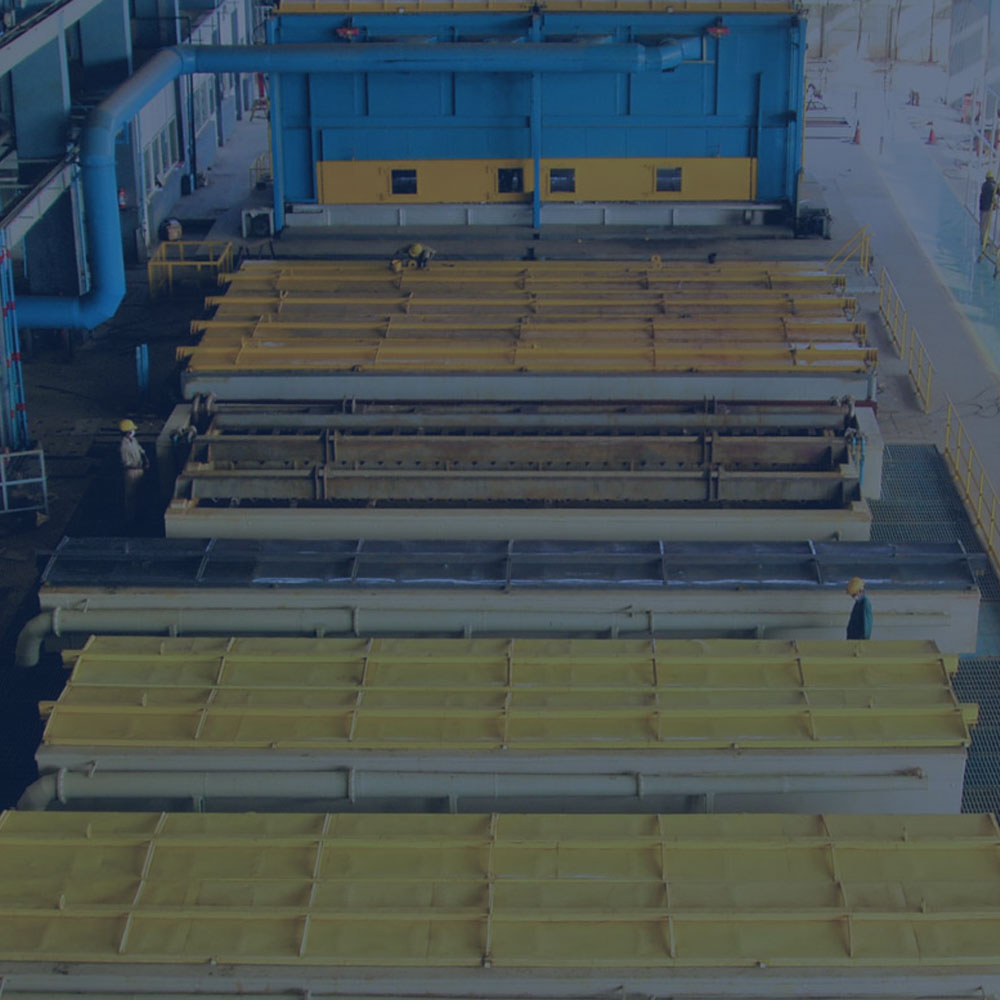
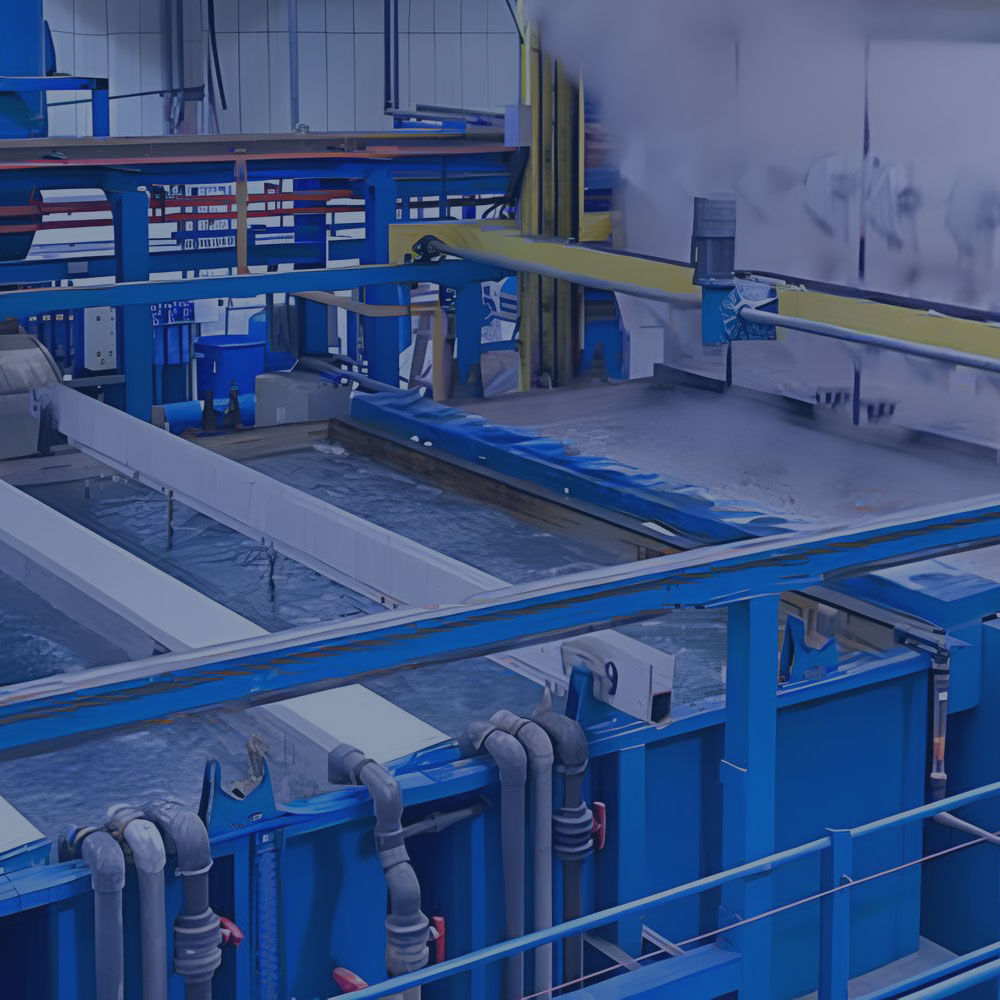
- Process tanks are the core of chemical treatment operations In industries like plating, pickling, anodizing, and phosphating, process tanks directly control coating quality, chemical reactions, and overall production stability.
- Engineering quality determines long-term performance and reliability Well-designed tanks withstand chemical attack, heat, mechanical stress, and continuous operation, while poorly built tanks quickly lead to leaks, contamination, and downtime.
- Efficient tank design improves productivity and reduces operating costs Proper insulation, optimized geometry, and smooth internal surfaces help maintain stable bath conditions, reduce energy loss, speed up cycles, and extend chemical life.
- Safety depends heavily on tank construction standards Features like jointless welding, overflow protection, level control, and splash management significantly reduce risks such as chemical exposure, burns, and workplace accidents.
- Custom-built, application-specific tanks deliver the best results Different industries (galvanizing, electroplating, anodizing, phosphating, and chemical processing) require tailored materials and designs, making experienced engineering-driven manufacturers essential for long-term performance.
On any surface treatment shop floor in India, the unsung hero is rarely the crane or the rectifier — it is the tank holding the chemistry. Process tanks carry acids, alkalis, plating solutions, and degreasers day after day, often at high temperatures, and they decide three things every plant owner cares about: how clean the final coating looks, how safe the operators are, and how often production stops for repairs. A poorly built tank leaks, deforms, contaminates baths, and puts people at risk. A well-engineered one quietly runs for two decades. This is why choosing the right partner from among the experienced Process Tanks manufacturers in India matters more than most plant owners initially think — and why companies like STEP Techno Solutions LLP have spent 25 years getting the engineering right.
What Exactly Is a Process Tank?
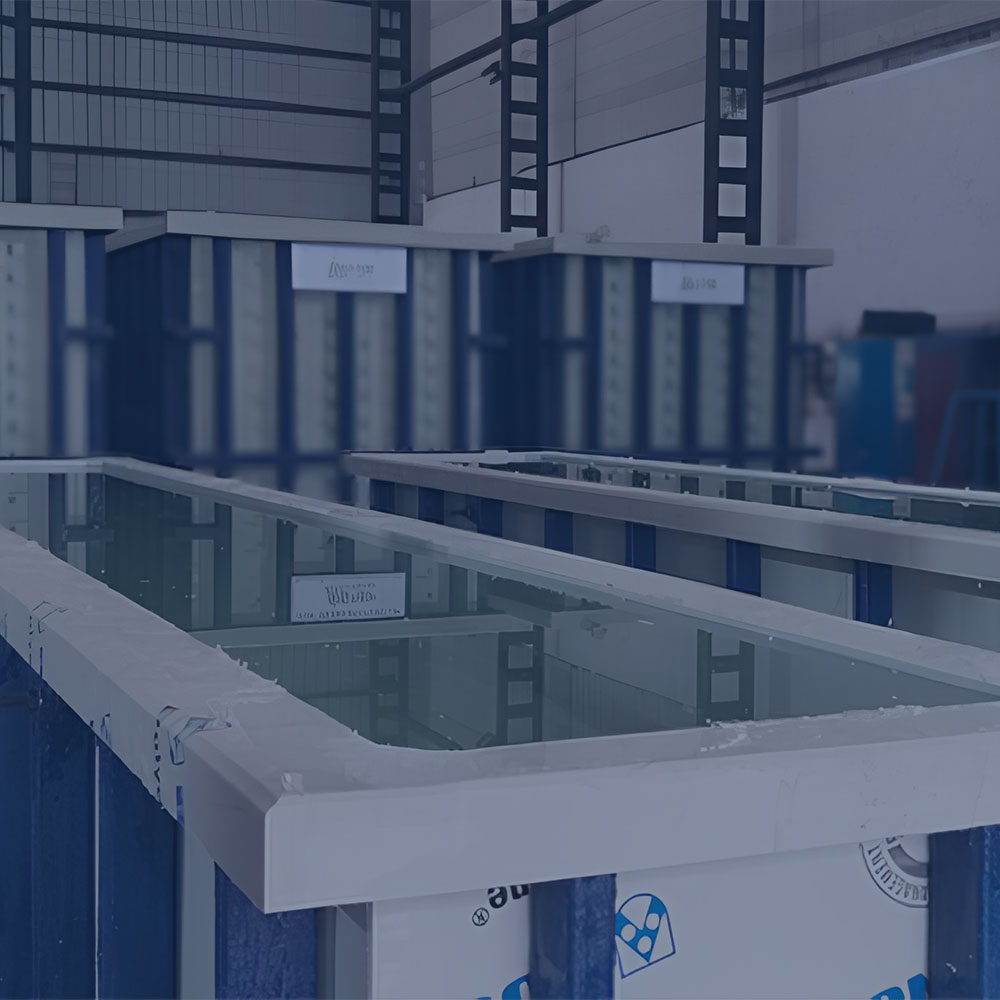
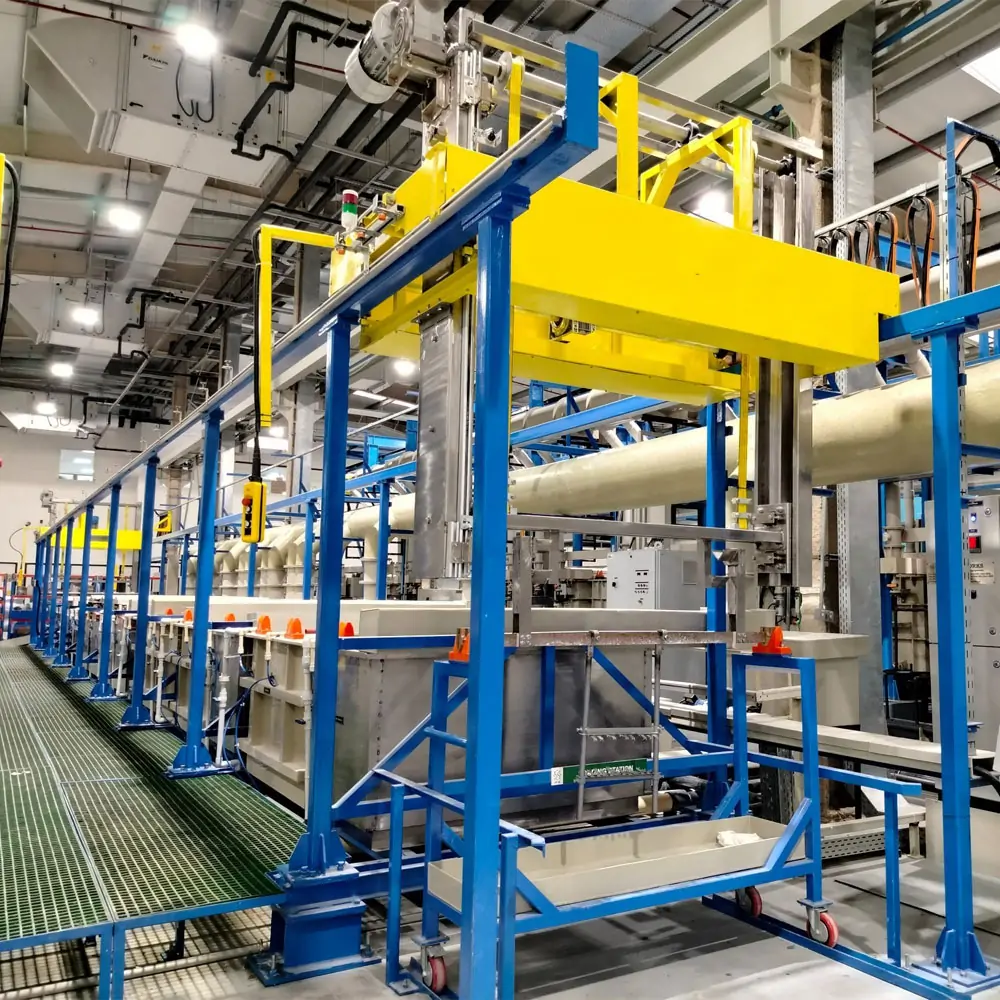
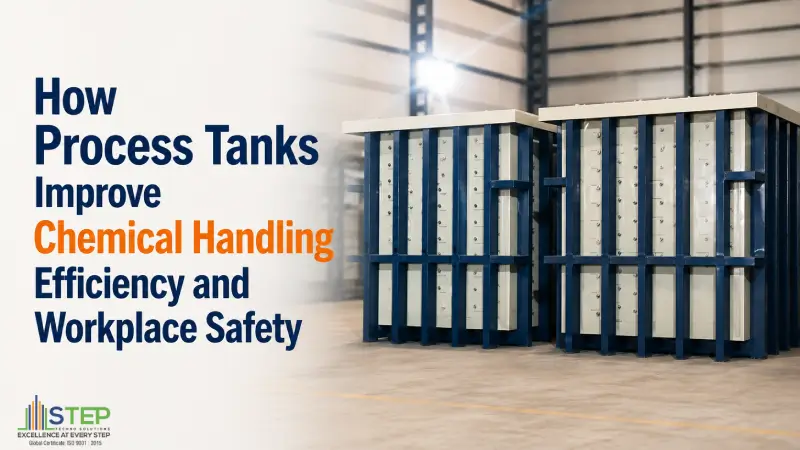
A process tank is the vessel inside which a chemical reaction or treatment step takes place — pickling, degreasing, plating, anodizing, phosphating, rinsing, passivation, and so on. Unlike storage tanks, which simply hold chemicals, process tanks are working tanks. They get loaded and unloaded several times an hour, their contents are heated or chilled, they handle moving jigs and racks, and they sit at the heart of the production line.
Because of this duty cycle, process tanks face a brutal combination of stresses: chemical attacks from inside, mechanical impact from jigs and crane movement, thermal cycling between ambient and 80°C or higher, and constant exposure to splashes and fumes from outside. Cheap fabrication shows up within months. Good engineering, the kind that established Process Tanks manufacturers in India like STEP Techno Solutions LLP put into every project, shows up in tanks that are still running smoothly when the original plant manager has retired.
How Process Tanks Make Chemical Handling More Efficient
Efficiency in a surface treatment plant is not a vague idea — it shows up in specific numbers on the production sheet. The right process tank moves all of them in the right direction.
Stable bath chemistry. A tank with proper thermal insulation holds bath temperature within a tight band, which means coating quality stops drifting between the morning shift and the night shift. Operators are not constantly correcting concentration or pH.
Lower heat loss. Insulated tanks from STEPstrong® save serious energy. A 5,000-litre hot caustic tank can lose 20-30% of its heat through poor walls. Cut that loss and the boiler runs less, the power bill drops, and the bath reaches working temperature faster after a weekend shutdown.
Faster cycle times. Tanks engineered with the right geometry, proper drain slope, and well-placed nozzles drain and fill quickly. Multiply a 90-second time saving by 60 cycles a day across 300 working days and the plant produces meaningfully more parts in a year without adding a single machine.
Cleaner baths, longer chemistry life. Smooth interior welds and contamination-free contact surfaces mean baths stay usable longer. Chemistry dump frequency drops, and the cost of fresh acids, salts, and additives falls along with it.
Less downtime. Tanks built to DVS norms with jointless welding do not develop the slow seepage that plagues bolted or poorly welded vessels. No emergency drain-downs, no production stoppages while a leak gets patched.
Every one of these gains comes from engineering decisions made before the first sheet of thermoplastic is cut. This is the real value that experienced Process Tanks manufacturers in India bring to the table.
How Process Tanks Improve Workplace Safety
Efficiency is the headline; safety is the foundation. The same engineering choices that improve productivity also keep workers out of harm’s way.
1.Containment that holds. A jointless welded tank does not develop hairline cracks at the seam. There is no slow drip of hot caustic onto the floor, no acid pool forming under the tank where nobody notices. Operators walk on dry concrete.
2.Thermal protection. Properly insulated tank walls do not become burn hazards. A worker brushing past a hot phosphating tank does not get scalded through the wall.
3.Splash and fume control. Integrated hoods and lip-vent ducting capture splashes and rising vapors at the tank rim, feeding them straight into the fume extraction system. The breathing zone above the tank stays clear.
4.Predictable level control. Built-in level indicators and overflow protection prevent the two scenarios that cause most chemical accidents — running a tank dry on a heater and overflowing a tank during top-up.
5.Resistance to mechanical impact. Jigs swing, racks drop, parts get loaded carelessly during rush hours. Thermoplastic process tanks from STEP Techno Solutions LLP are specified with impact-resistant grades that absorb knocks without cracking.
In a country where pollution control boards, factory inspectors, and insurance auditors are all looking harder at chemical safety, the cost of a serious incident has climbed sharply. A well-built process tank quietly removes a whole category of risk from the plant manager’s worry list.
Industries That Depend on Process Tanks
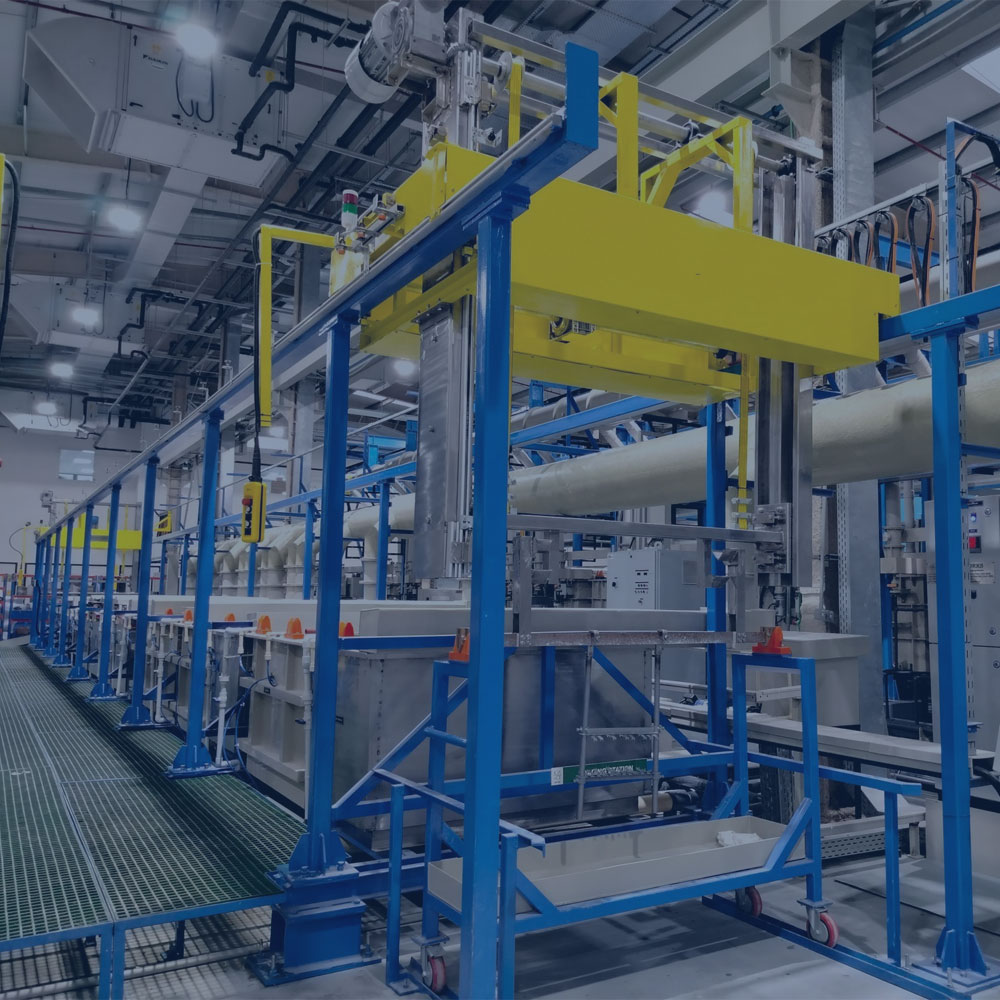
Process tanks turn up in almost every metal-finishing and chemical-treatment operation in the country.
1.Hot dip galvanizing plants rely on pickling, fluxing, and rinsing tanks built to handle hot HCl and heated flux solutions.
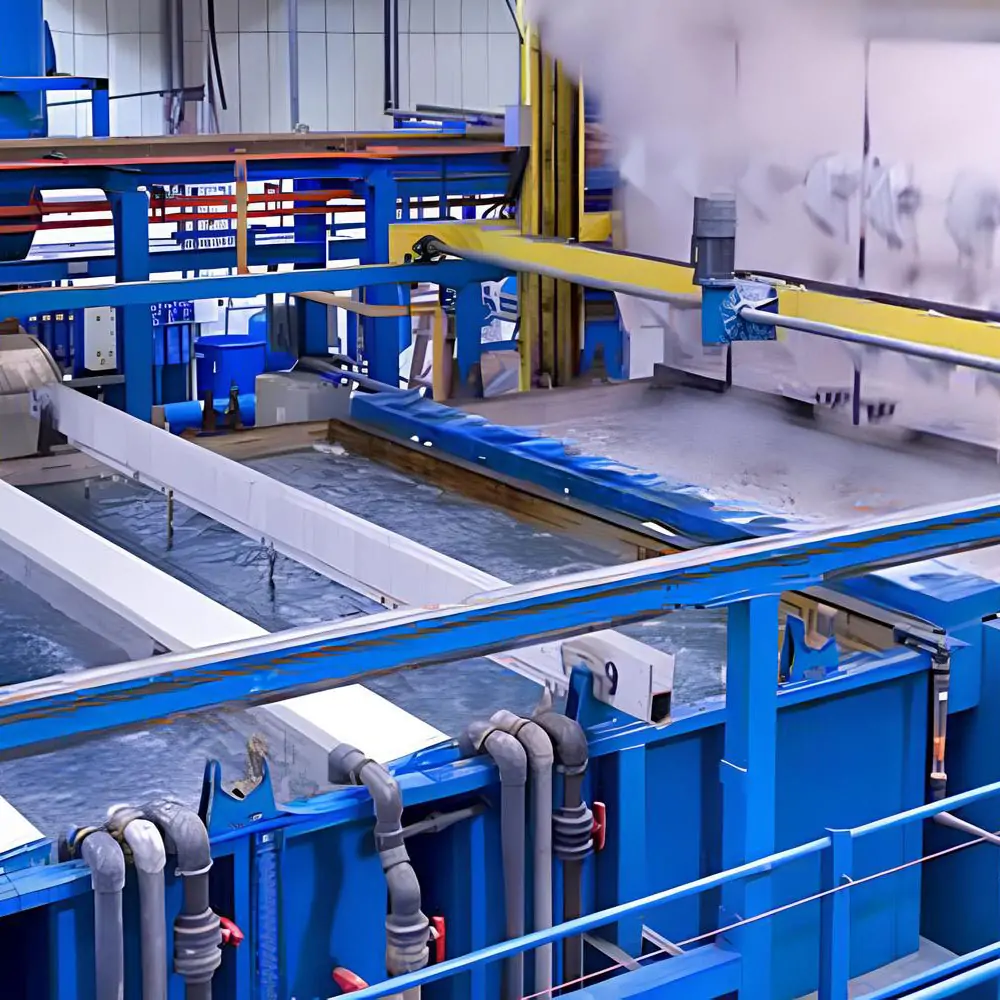
2.Electroplating units need rows of process tanks for cleaning, activation, plating, and rinsing across nickel, chrome, zinc, copper, and tin chemistries.
3.Anodizing plants depends on sulfuric acid anodizing tanks, dye tanks, and sealing tanks operating at controlled temperatures.
4.Phosphating and pre-treatment lines use heated tanks for degreasing, surface activation, phosphate coating, and passivation.
5.Powder coating and paint shop pre-treatment runs through a string of process tanks before the part ever sees the booth.
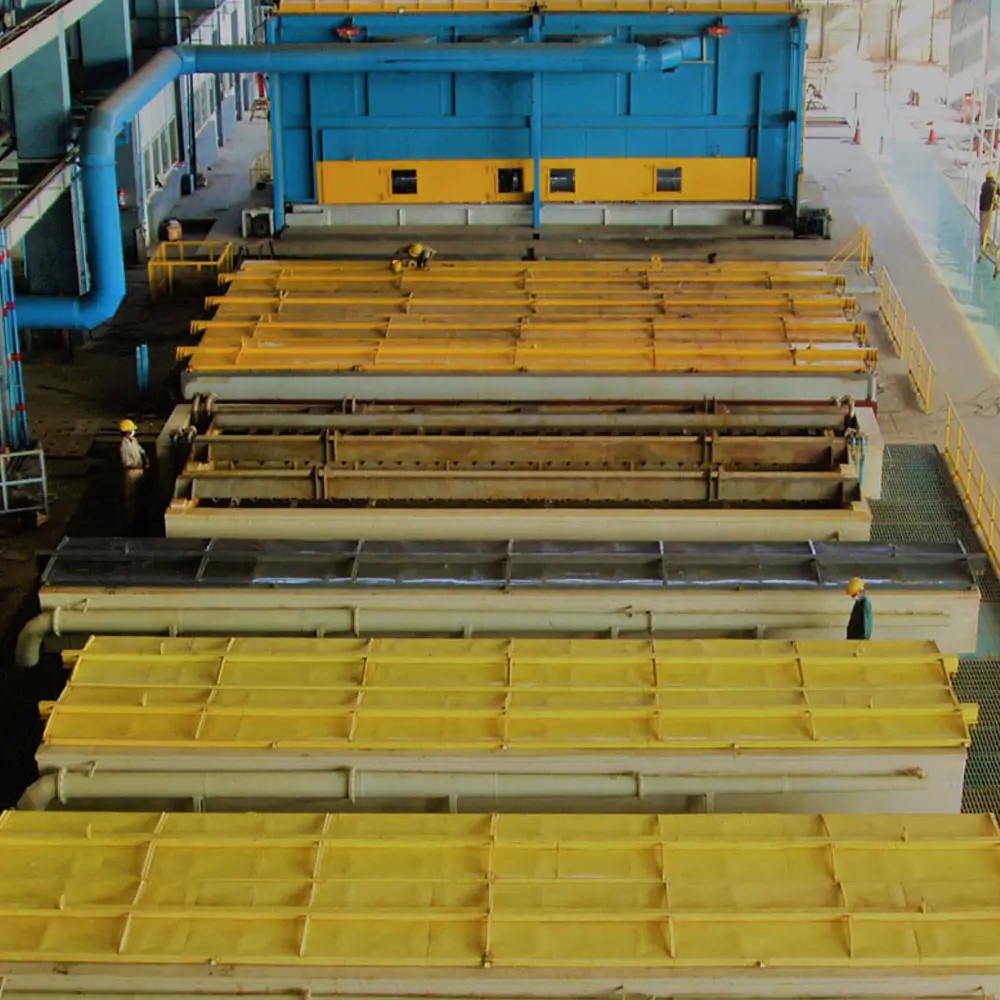
6.Pickling lines for steel, wire, pipe, and tube push huge volumes through long process tanks designed for high acid concentrations.
7.Pharma and chemical processing use smaller process tanks for blending, dilution, and reaction control.
In every one of these settings, the tank is doing real chemical work — not just holding fluid. That is why specifying the right material, the right thickness, the right reinforcement pattern, and the right welding standard is non-negotiable. Reputable Process Tanks manufacturers in India treat each project as a custom engineering job, and STEP Techno Solutions LLP is firmly in that category.
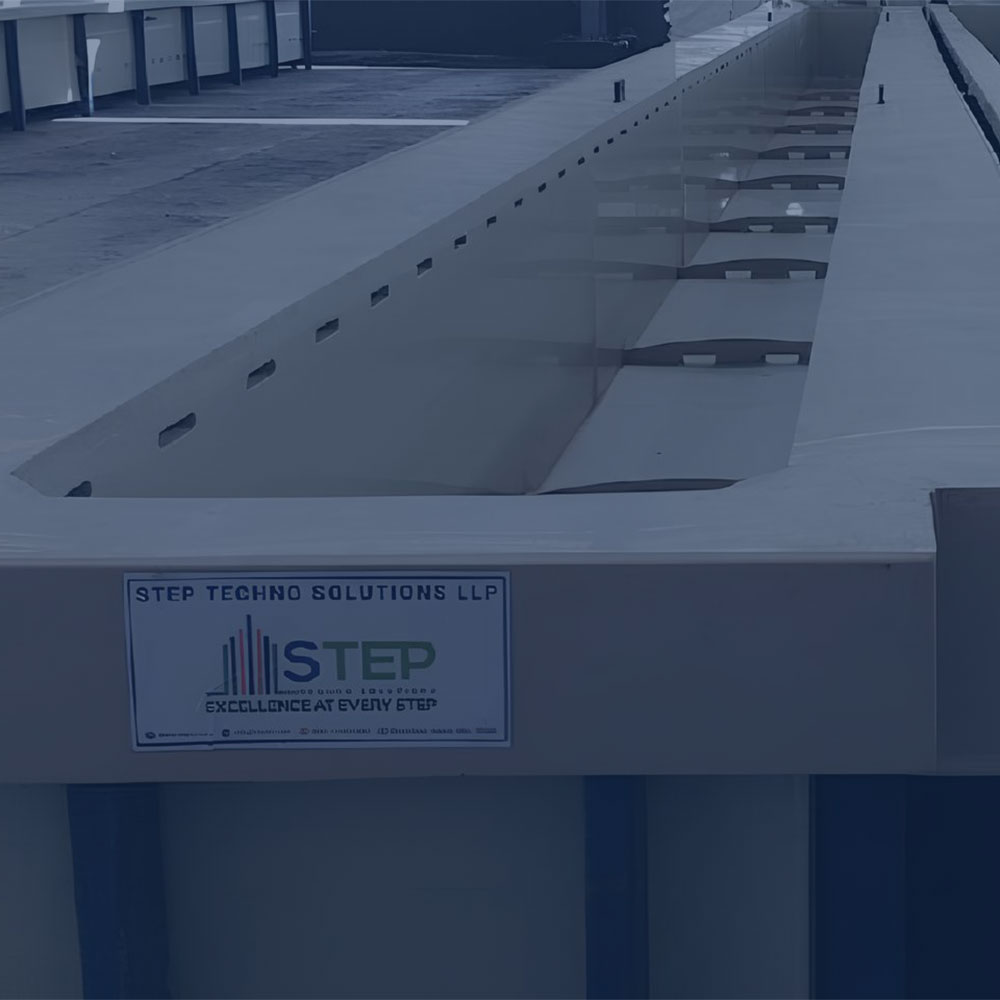
What Sets STEPstrong® Process Tanks Apart
A few specifics make the STEPstrong® range stand out on any shop floor.
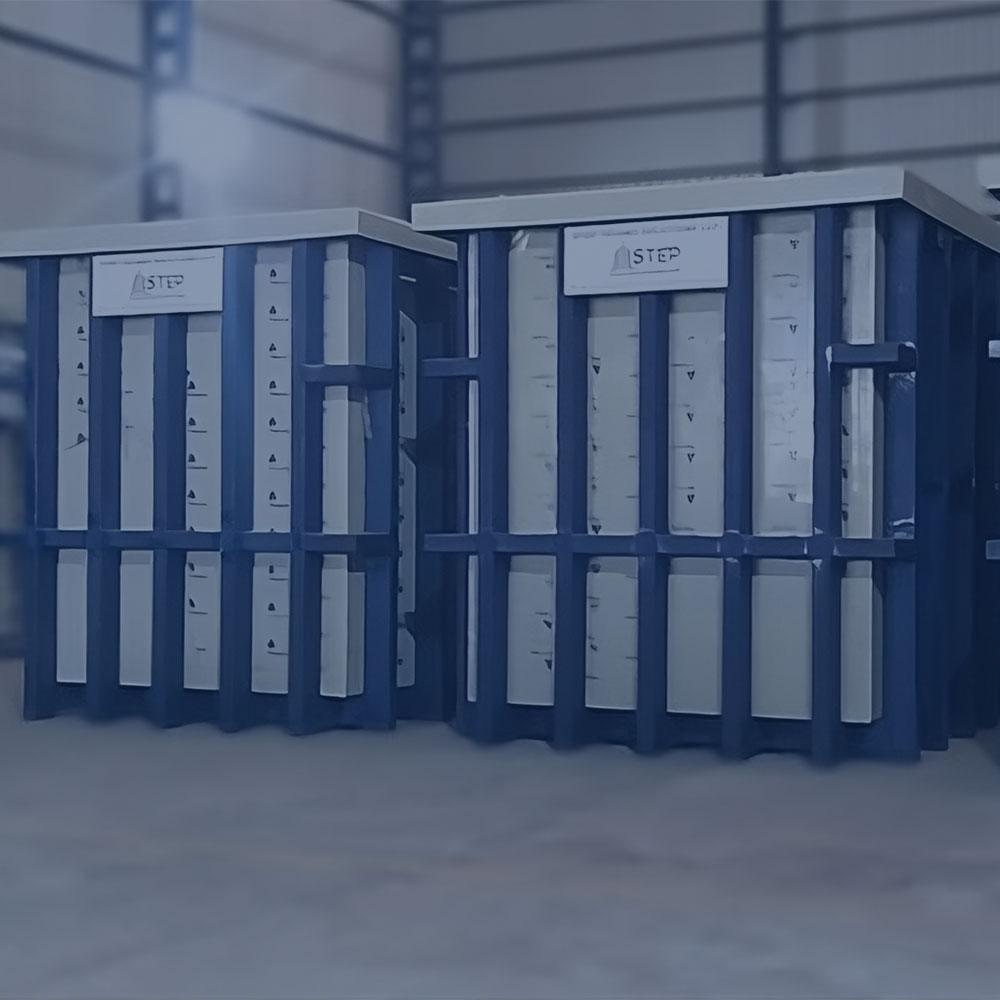
DVS-norm fabrication:- Tanks are built to German Welding Society (DVS) standards, the toughest accepted benchmark for thermoplastic vessel fabrication anywhere in the world.
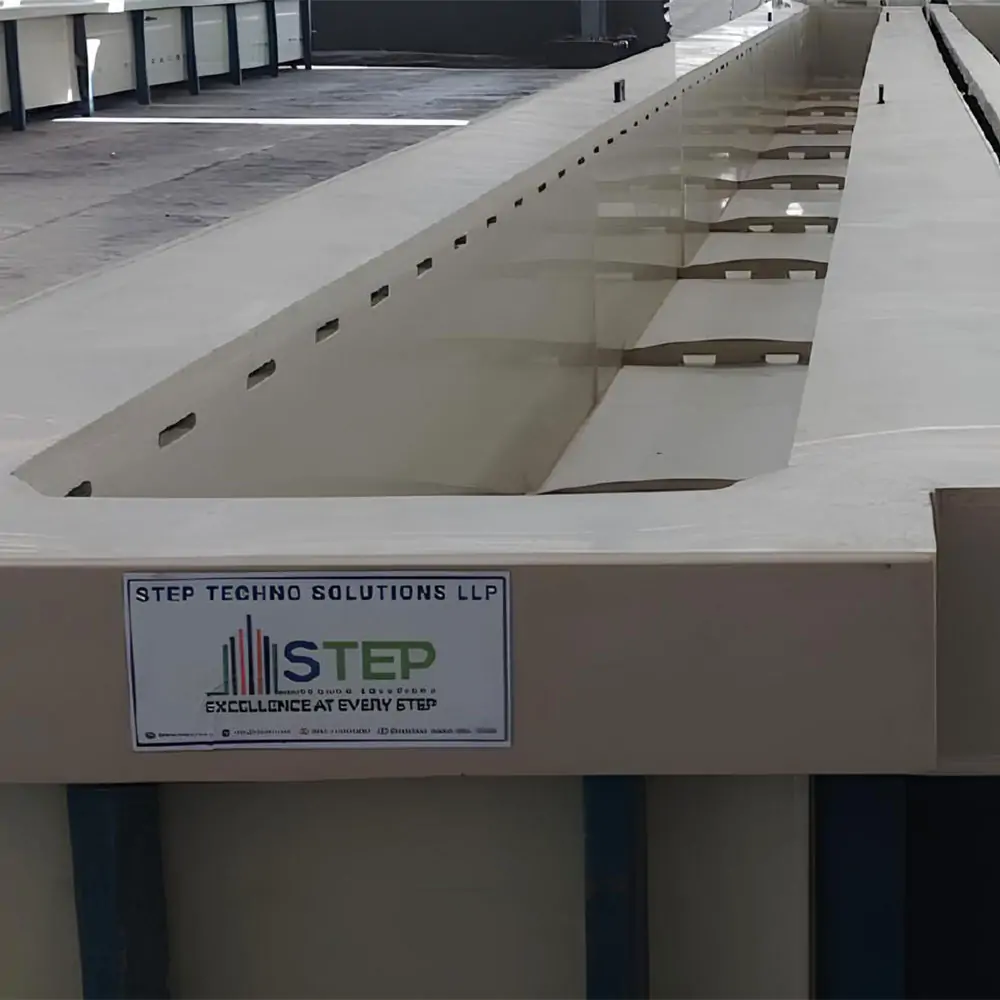
STEP Fusion® jointless welding:- Our proprietary welding technology produces seams that behave like the parent material — no weak points, no slow seepage, no failure at the corners where most poorly built tanks give up first.
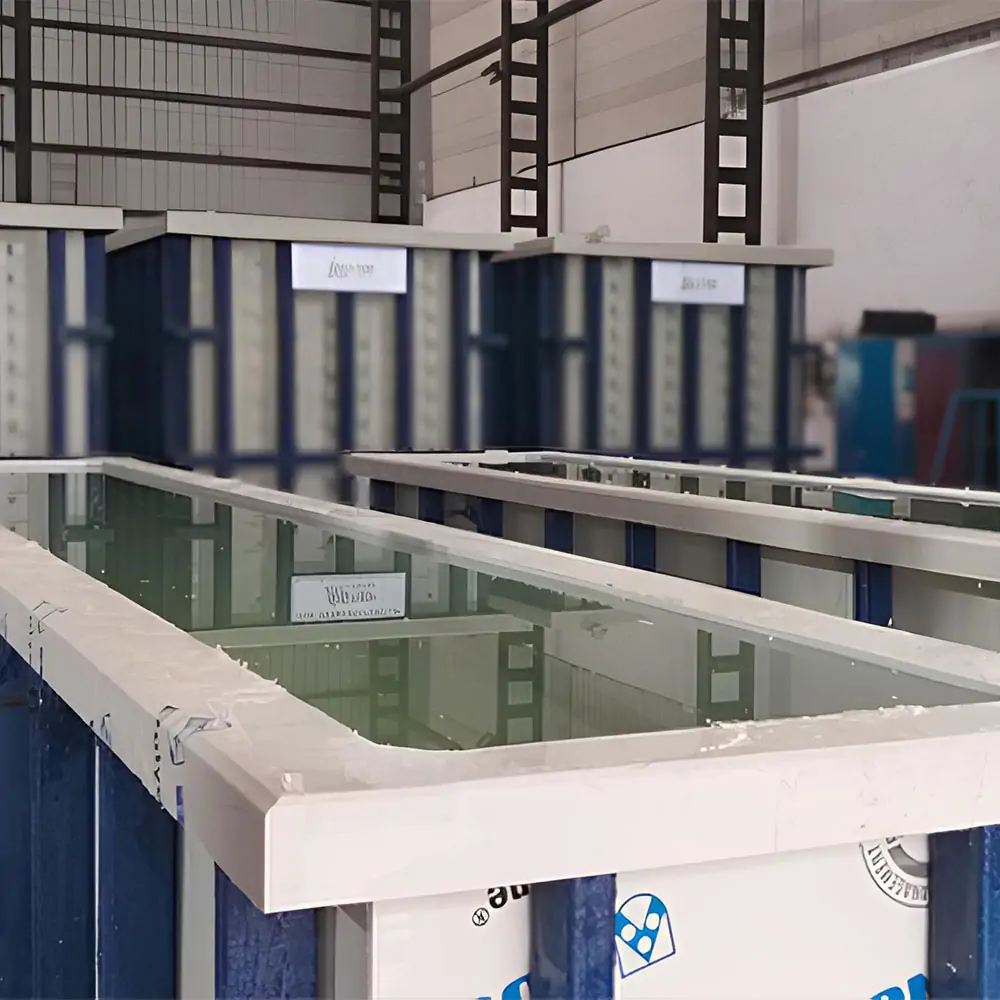
Right-grade thermoplastics:- Material selection is driven by actual chemistry, temperature, and impact load. PP, PPGL, PVDF, and FRP-lined options are all on the table, and the choice is made by engineers, not salespeople.
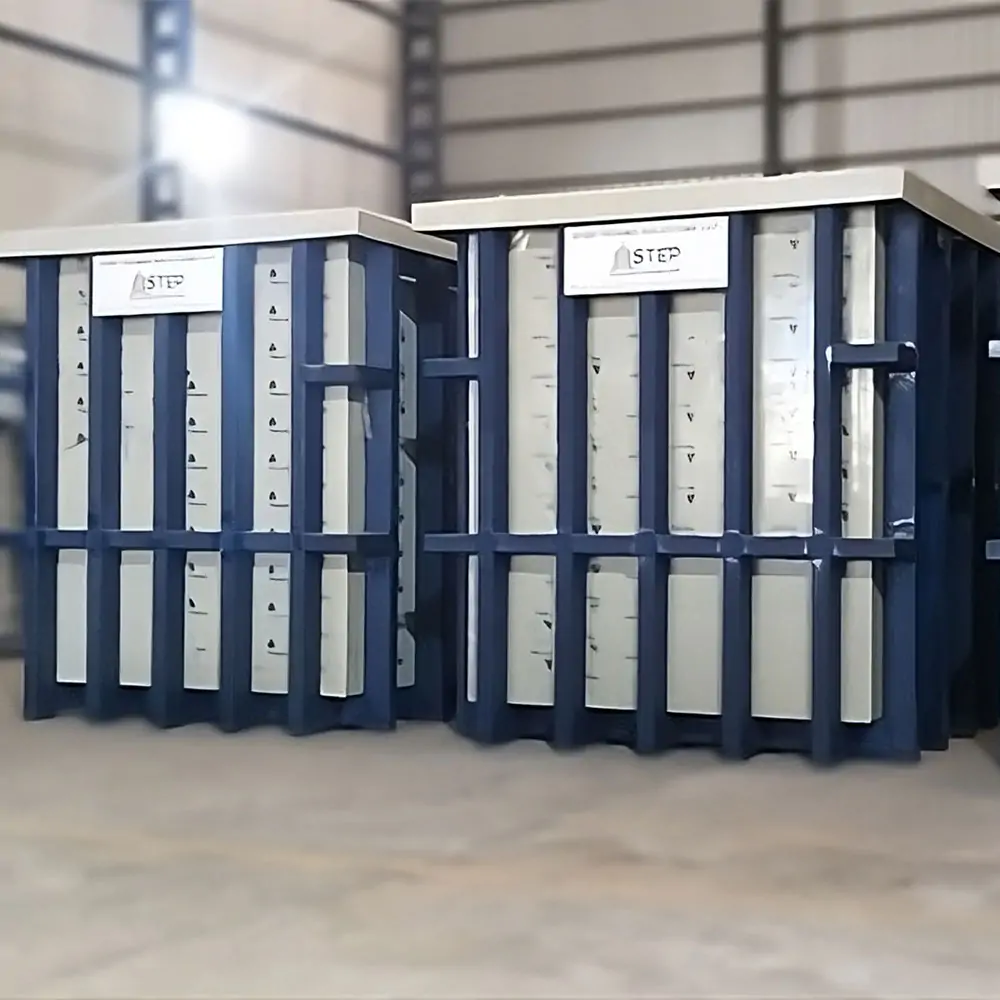
Custom attachments:-Nozzles, valves, hoods, ducting connections, level indicators, drain slopes, reinforcement ribs — every tank arrives ready to drop into the line and run.
Designed for 25 years of service:- Tanks are sized considering linear thermal expansion, capacity tolerance, and projected service life — not just today’s bath volume.
Adaptable later:-Plant requirements change. STEPstrong® tanks can be modified, extended, or reconfigured for years after installation without scrapping the original vessel.
Why Choose Us
STEP Techno Solutions LLP has built its name among India’s most trusted Process Tanks manufacturers in India the slow, honest way — by delivering tanks that simply keep working. With 25 years of focused engineering in surface treatment, our team has fabricated process tanks for galvanizing, plating, anodizing, phosphating, and pickling plants across the country and overseas. Every tank we ship is built into DVS norms using our proprietary STEP Fusion® jointless welding, with thermoplastic grades chosen for the exact acids, alkalis, and temperatures it will face. We do not sell catalog tanks; we engineer your bath chemistry, your line layout, your jig pattern, and your future expansion plan. Add in-house fabrication, quick service response, fair pricing, and a project list that includes plants still running our tanks two decades after commissioning, and the choice becomes simple. When plant managers want process tanks that do not become tomorrow’s problem, they call STEP Techno Solutions LLP.
Conclusion
Process tanks decide far more about a surface treatment plant than most owners realize. They drive coating quality, control operating cost, set the safety baseline, and quietly determine how many years pass before the next major capex. Choosing carefully among the experienced Process Tanks manufacturers in India is therefore a long-term decision, not a procurement line item. STEP Techno Solutions LLP brings 25 years of engineering depth, DVS-grade fabrication, and a service track record that customers keep coming back to. Build your line on the right tanks today and the savings, the safety, and the uptime keep paying back for decades.
For more information about STEPstrong® Process Tanks, custom fabrication, or pricing details, call us at +91 98988 75757 or email info@steptsl.com
Frequently Asked Questions
How long does a STEPstrong® process tank typically last?
Designed service life is 25 years. With sensible operation and routine inspection, our tanks comfortably hit that figure. Many of our earliest installations from the late 1990s are still in service today.
Which materials are used for STEPstrong® process tanks?
We work primarily with high-quality thermoplastics — PP, PPGL, PVDF — and FRP-lined options where chemistry demands it. Selection is driven by the actual acid or alkali, operating temperature, and mechanical loads in the application.
Can tanks be modified after installation?
Yes. One of the strengths of our thermoplastic construction and STEP Fusion® welding is that tanks can be extended, partitioned, or reconfigured years later as plant requirements change, without scrapping the original vessel.
Do you handle complete project requirements or only the tank?
We supply the full ecosystem — process tanks, storage tanks, pre-treatment tanks, fume extraction, heating systems, and material handling. Customers can source the entire surface treatment line from a single accountable partner.
Where are your process tanks installed?
Across India and several overseas markets, in galvanizing plants, electroplating units, anodizing facilities, pickling lines, phosphating plants, and chemical processing units. Our installation list spans small job shops to large continuous lines.