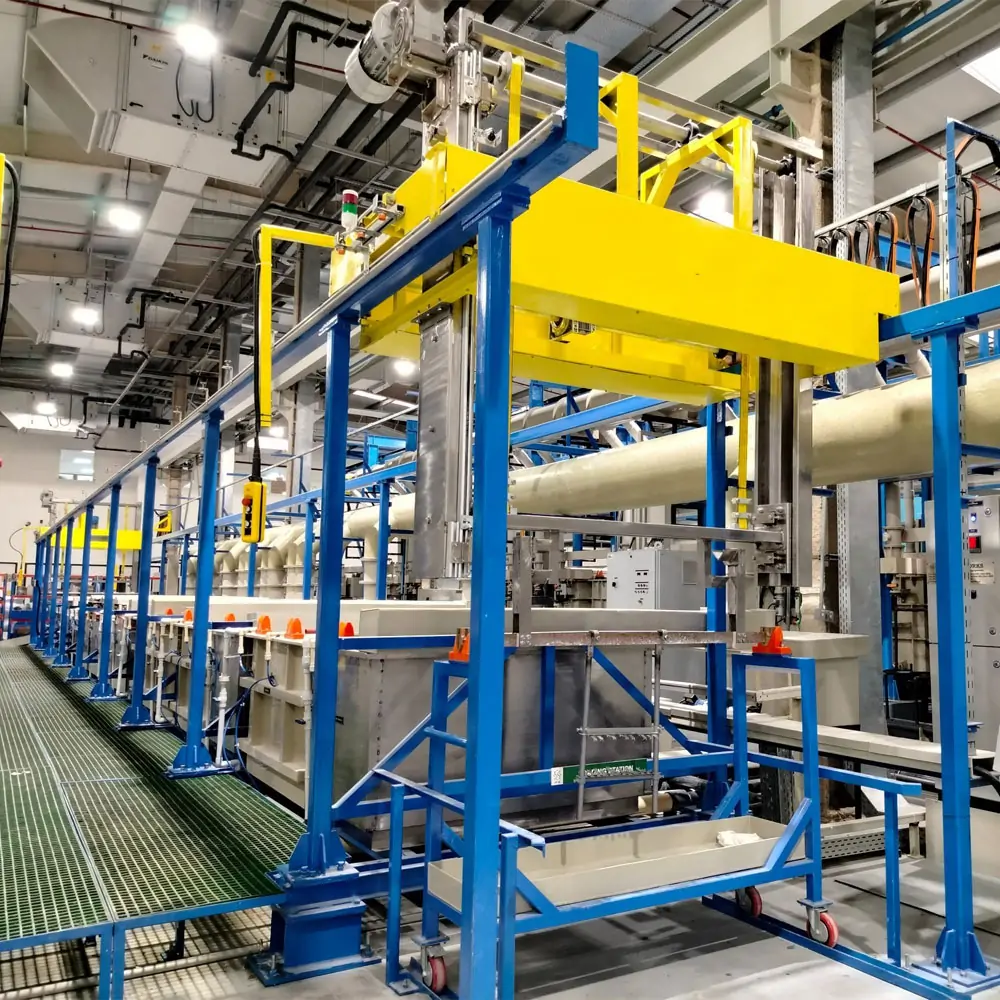
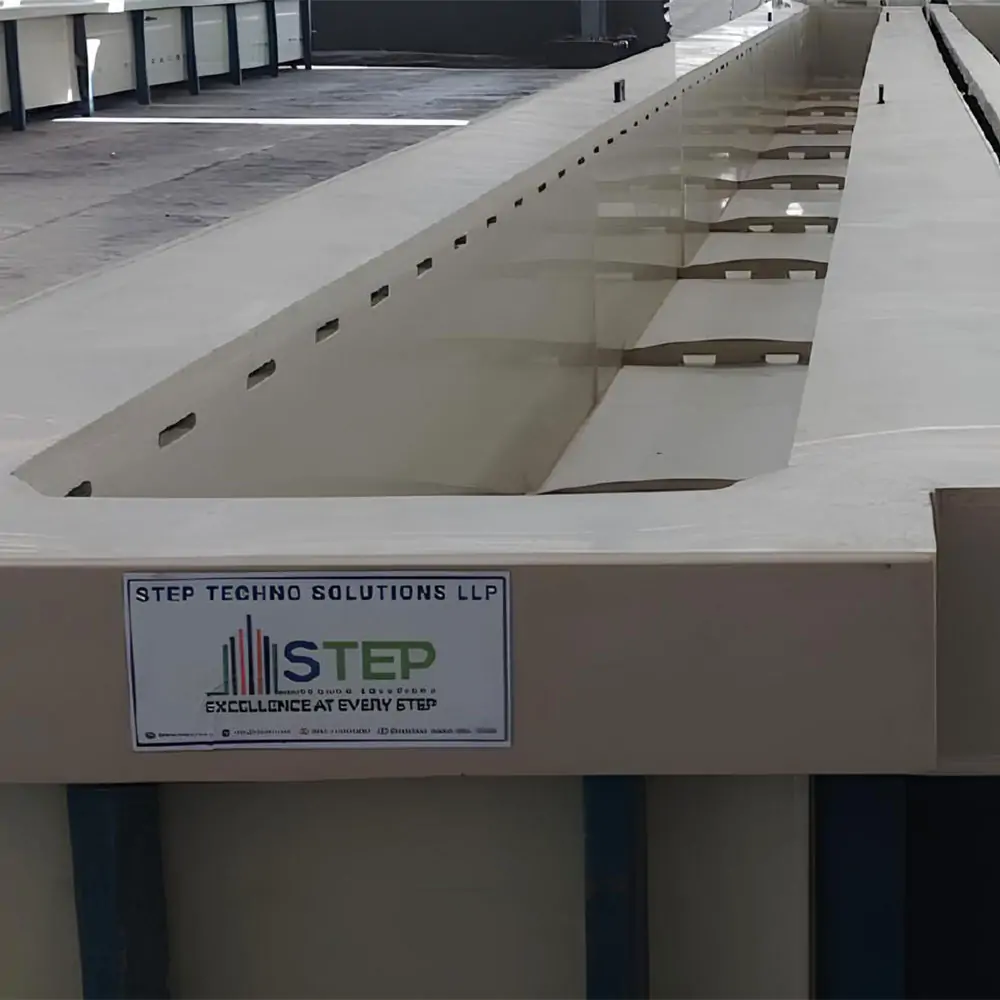
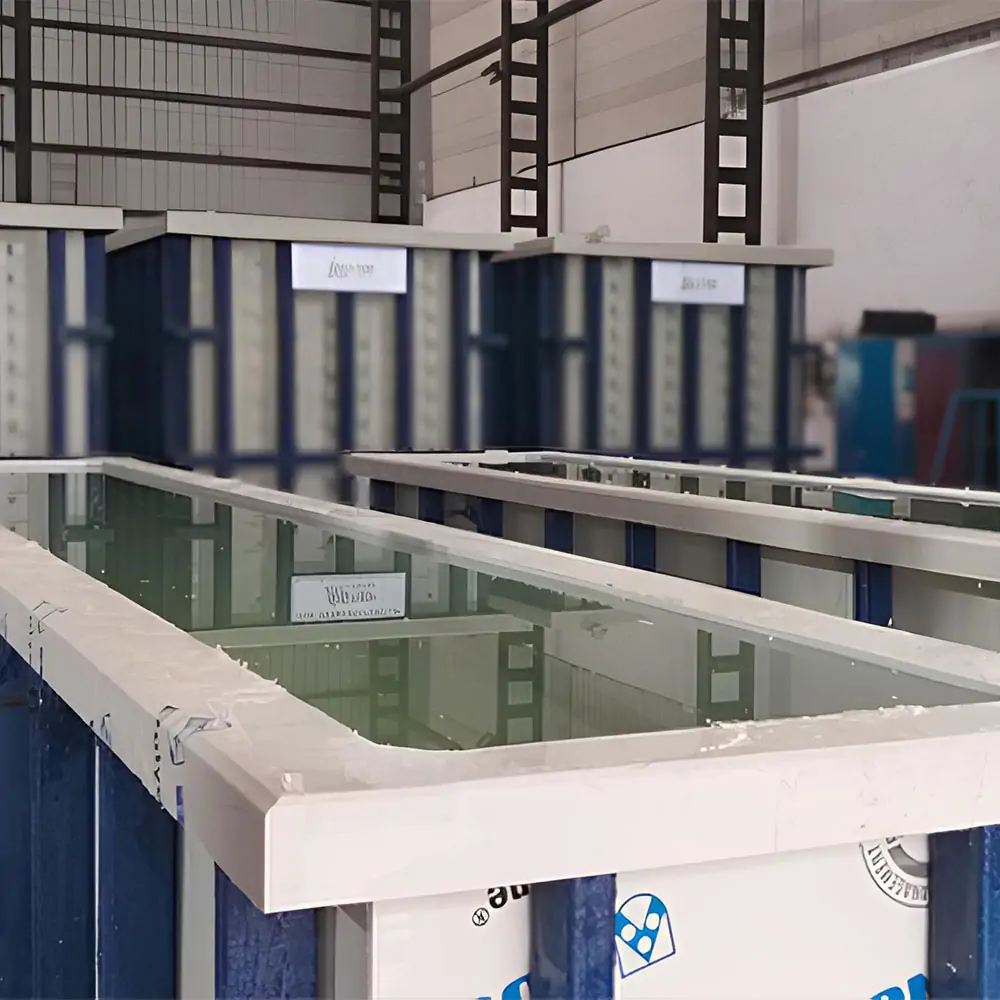
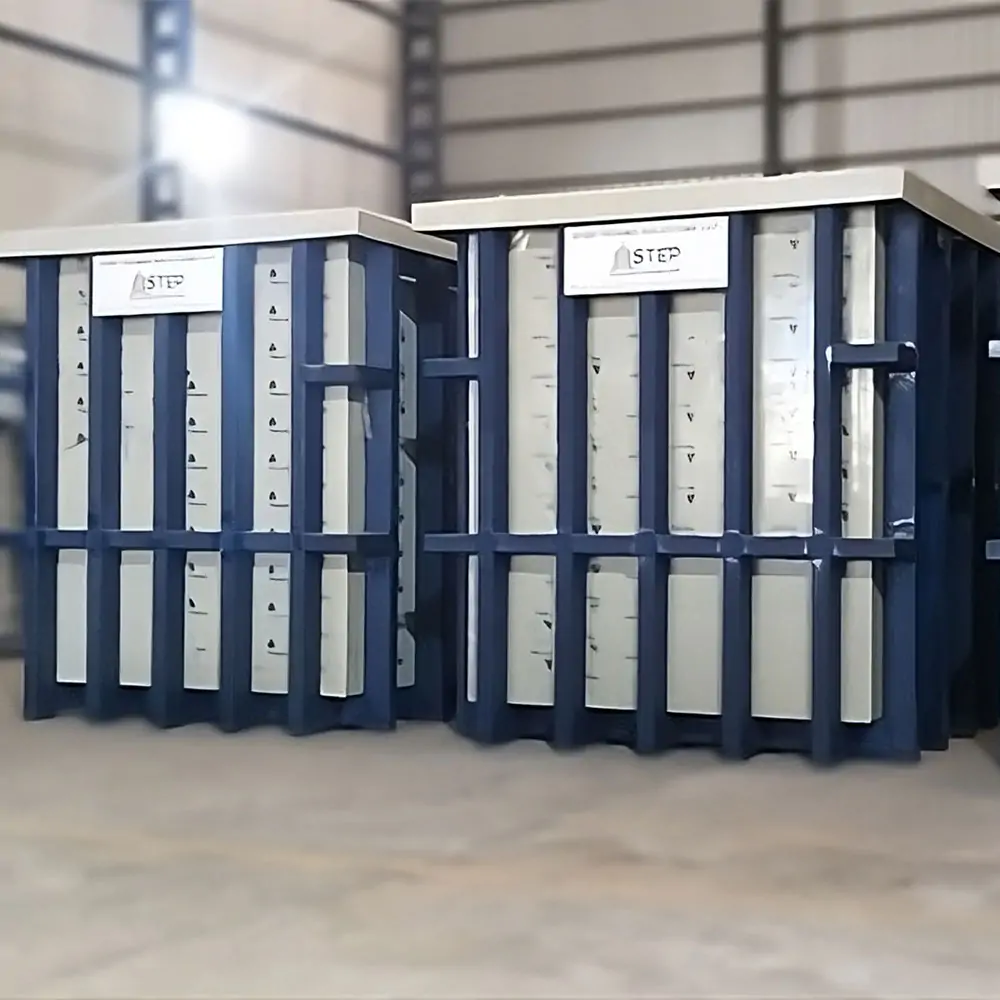
In industrial settings such as chemical manufacturing, electroplating, pharmaceutical production, and metal finishing, harmful acidic vapors often get released into the air during processes involving acids. Systems designed to capture and neutralize these vapors — commonly known as Acid Fume Extraction Systems — play a critical role in safeguarding both human health and industrial infrastructure. In this blog, we explore exactly why investing in a proper acid fume extraction setup is essential, what factors you should consider, and why STEP® Techno Solutions LLP stands out among Acid Fume Extraction System manufacturers in India as a perfect partner for your industrial safety needs.
Understanding Acid Fume in Industry
Industrial processes such as pickling, electroplating, chemical synthesis, and battery manufacturing often involve strong acids — hydrochloric acid (HCl), sulfuric acid (H₂SO₄), nitric acid (HNO₃), etc. During handling, mixing, or reactions, these acids release vapors or fumes. Without adequate control, these fumes can:
- Posed severe health risks to workers: inhalation of acid vapors can irritate or burn respiratory passages, cause chronic respiratory conditions, or even lead to long-term occupational illnesses.
- Corrode machinery, structural components, ductwork, and equipment: acidic vapors are corrosive and accelerate wear-and-tear, undermining longevity of costly industrial assets.
- Violate environmental and safety regulations: Discharging untreated acidic fumes into atmosphere or workspace may breach statutory emission norms, risking regulatory penalties and shutdowns.
How an Acid Fume Extraction System Works
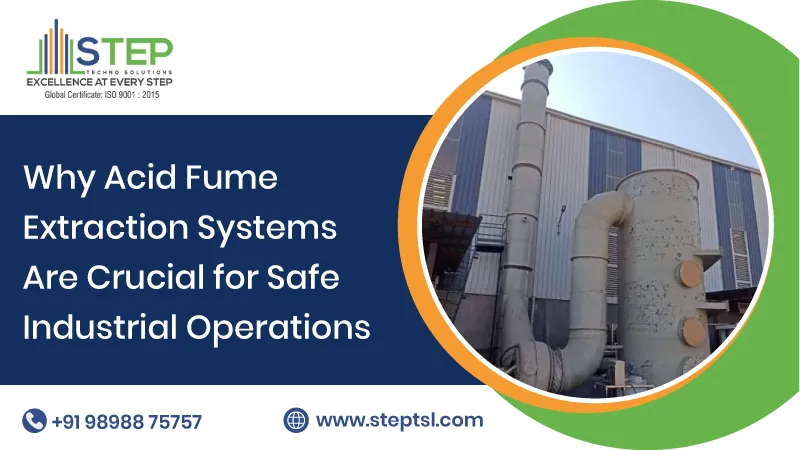
A well-designed Acid Fume Extraction System works by capturing acidic vapors at the source and channeling them through a controlled airflow path for filtration or neutralization before releasing treated air back into the environment. Here’s a breakdown of the main components and workflow.
- Fume Hood or Enclosure: Positioned close to the emission source — such as acid tanks, reaction vessels or plating baths — to immediately capture fumes before they disperse.
- Corrosion-Resistant Ducting Network: Pipes or ducts made from materials like polypropylene (PP), FRP, or PVC, designed to resist harsh acidic vapors as they transport contaminated air.
- Scrubber or Filter Unit: The heart of the system. Acidic gases and vapors pass through scrubbers — often using a wet scrubbing process — where they come in contact with an alkaline solution that neutralizes the acid before release.
- Blower / Exhaust Fan: Maintains consistent suction and airflow, drawing contaminated air from source through ducts to scrubbers. Must be sized correctly to achieve effective capture velocity.
- Discharge Stack or Outlet: Once air is treated, clean air is exhausted safely outside or back into the facility, meeting regulatory emission requirements.
Key Benefits of Installing Acid Fume Extraction Systems
Adopting a robust acid fume extraction solution offers multiple advantages for industries across sectors:
- Worker Safety and Health Protection: By removing acidic vapors and neutralizing harmful fumes, such systems dramatically reduce the risk of respiratory irritation, skin irritation, chronic health issues, and occupational hazards.
- Equipment Lifespan & Reduced Maintenance Costs: Corrosive acid vapors can degrade metal surfaces, ductwork, control panels and structural components. By controlling the fumes at source, the system helps prevent corrosion, thereby extending the lifespan of machinery and reducing maintenance or replacement costs.
- Regulatory Compliance & Environmental Protection: Many industrial operations in India and globally must comply with pollution control standards and emission norms. A properly engineered extraction and scrubbing system helps meet those standards, avoiding penalties and environmental liabilities.
- Improved Workplace Air Quality and Productivity: Cleaner air leads to a healthier, more comfortable workplace. Workers are more productive, morale improves, and risk of accidental exposure is minimized.
- Flexibility and Suitability for Various Industrial Applications: These systems are applicable not only in chemical manufacturing but also in electroplating, battery production, pharmaceuticals, metal finishing, pickling, laboratories, and more. This versatility makes them relevant across multiple sectors.
Designing an Efficient Acid Fume Extraction System: What Matters
Not all acid fume extraction systems deliver the same level of protection. Designing and building an effective system requires careful attention to detail:
- Correct Sizing & Airflow Calculations: The blower, duct size, and extraction hood must be selected based on the volume of fumes, surface area of acid exposure (e.g. open tanks), and process frequency. Undersized systems may fail to capture fumes; oversized ones may waste energy.
- Material Selection: Because acid vapors are corrosive, the system’s components — hoods, ducts, scrubbers — must be made from chemical-resistant materials like PP, FRP, PVC, HDPE. This ensures longevity and prevents leakage.
- Proper Hood Placement & Duct Configuration: Hoods should be placed close to fume sources, duct routing should minimize bends to reduce pressure loss, and duct lengths must be optimized to maintain effective suction.
- Effective Scrubbing / Filtration Media: The scrubber must use the right neutralizing solution (often alkaline) and filtration media based on the types of acid gases expected. For example, gases like HCl, SO₂ or NOx require appropriate chemical scrubbers or packed-bed scrubbers.
- Maintenance and Monitoring: Regular inspection of ductwork, scrubber efficiency, pH levels (for wet scrubbers), fan performance, and replacement of filter media ensure the system continues functioning optimally. Neglecting maintenance can lead to leaks, decreased efficiency, or exposure.
- Scalability & Customization: Since industrial setups vary widely — in size, acid concentration, batch frequency — a one-size-fits-all system often underperforms. The system should be customizable to the plant’s layout and process requirements.
Why Choose Us
At STEP® Techno Solutions LLP, we specialize in designing, manufacturing, and installing state-of-the-art Acid Fume Extraction Systems tailored for Indian industrial conditions. Our experience as premier Acid Fume Extraction System manufacturers in India enables us to offer customizable, corrosion-resistant, and high-efficiency solutions that match the unique needs of every facility. We understand the criticality of correct airflow design, material compatibility, scrubber efficiency, and long-term maintenance — and our systems reflect that precision. By partnering with STEP® Techno Solutions LLP, industries benefit from robust safety, regulatory compliance, and long service life of equipment.
Conclusion
Industrial operations involving corrosive acids and chemical processing carry inherent risks — to human health, equipment, productivity, and regulatory compliance. A reliable Acid Fume Extraction System, when properly designed, installed, and maintained, mitigates these risks by capturing and neutralizing hazardous acid vapors at source, protecting workers, equipment, and the environment. By choosing STEP® Techno Solutions LLP, you get not just a product, but a comprehensive safety solution — customized for your industrial needs, engineered for durability, and backed by expertise.
For more detailed guidance on acid fume extraction Call us at +91 98988 75757 or email info@steptsl.com.
FAQs
What kinds of acids or fumes can an acid fume extraction system handle?
A properly designed system can handle fumes from strong acids such as hydrochloric acid (HCl), sulfuric acid (H₂SO₄), nitric acid (HNO₃), and acid mists or vapors produced during metal pickling, plating, chemical processing, or battery manufacturing.
What materials are used to build acid-resistant ducts and scrubbers?
Components are typically constructed from corrosion-resistant materials like polypropylene (PP), fibre-reinforced plastic (FRP), PVC or HDPE to ensure durability and safe handling of acidic fumes.
Do acid fume extraction systems require frequent maintenance?
Yes. Regular maintenance is essential: ducts, fans, scrubber media, and filters should be inspected frequently; scrubbing solutions or filter media replaced as needed; and airflow and neutralization (pH) monitored to maintain efficiency and safety.
Can every industrial facility benefit from an acid fume extraction system?
Yes — any facility that handles corrosive acids or generates acidic vapors (chemical manufacturing, electroplating, metal finishing, laboratories, battery production, pharmaceuticals, etc.) stands to benefit significantly in terms of worker safety, environmental compliance, equipment longevity, and productivity.
Is custom design necessary for acid fume extraction systems or will generic systems suffice?
Custom design is highly recommended. The correct sizing of blowers, ductwork, hood placement, scrubber type, and material selection must match the specific industrial process, acid type, volume of fumes, and plant layout to deliver effective extraction and neutralization.