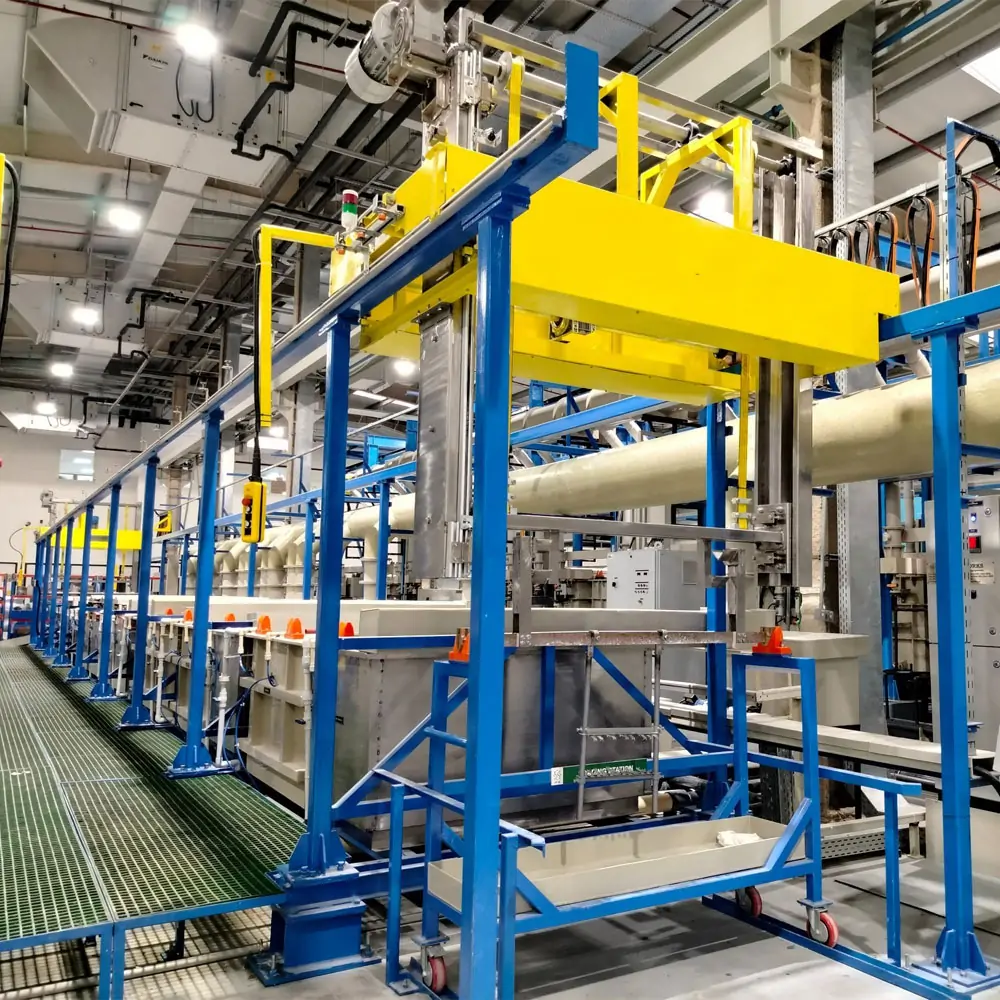
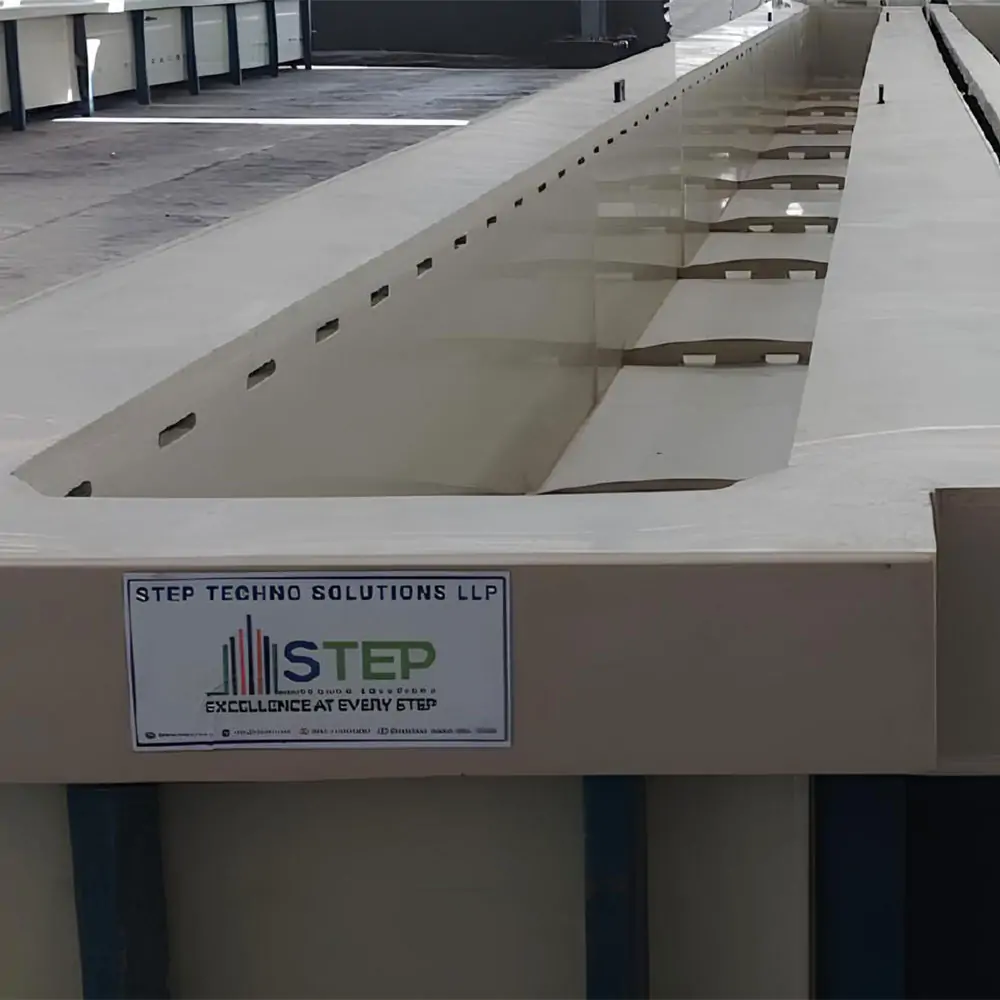
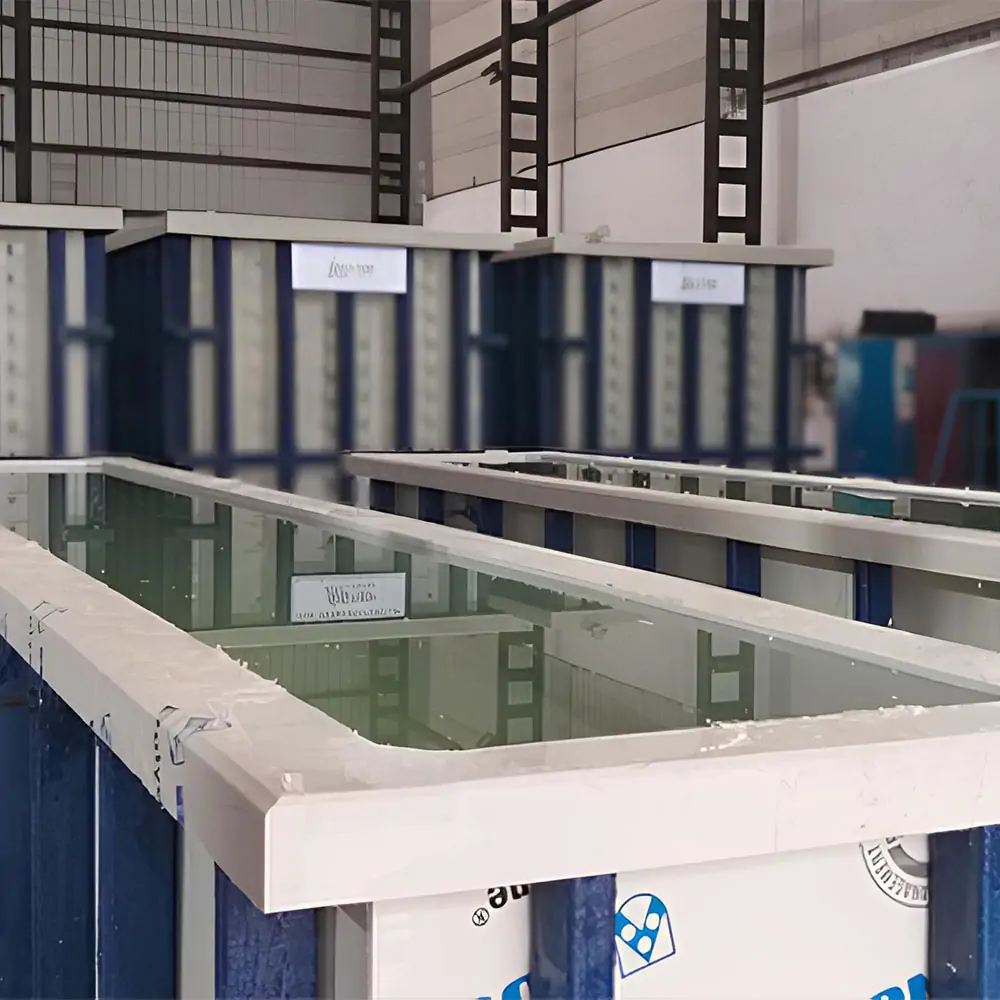
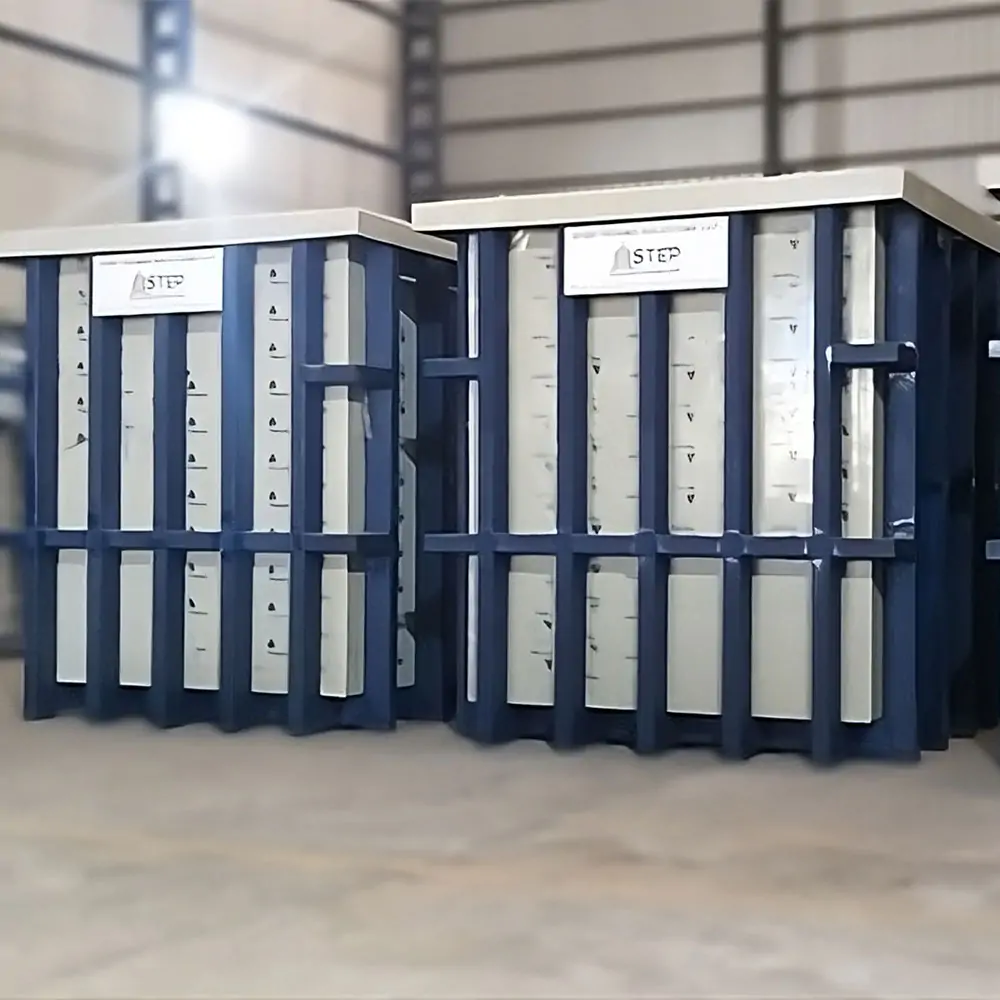


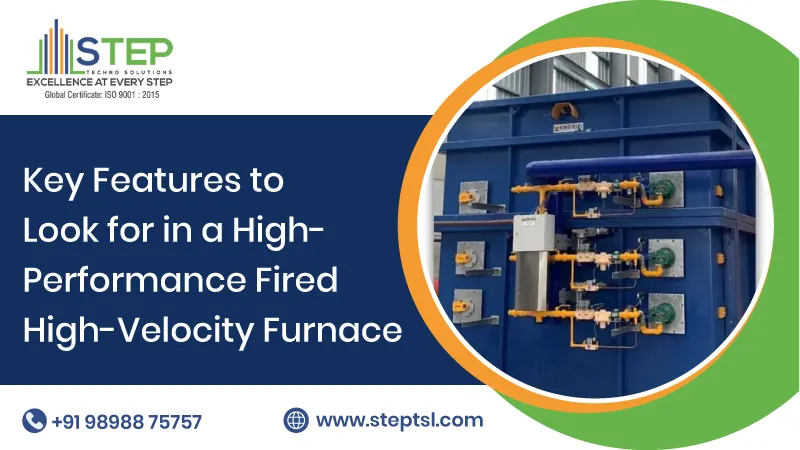
In modern industrial heating operations, a high-performance furnace plays a crucial role in achieving consistent temperature output, reliable process control, and long-term operational stability. Among the many furnace technologies used across industries like metal processing, galvanizing units, heat-treatment plants, foundries, and precision manufacturing setups, the Fired High Velocity Furnace has gained significant popularity due to its unique combination of efficiency, performance, and uniform heat distribution.
With industries moving toward faster production cycles and higher quality standards, selecting the right furnace has become more important than ever. A Fired High Velocity Furnace provides superior thermal output through high-speed combustion, stable temperature control, and targeted heating performance—making it essential for factories that require dependable heating solutions.
Understanding What a Fired High-Velocity Furnace Is
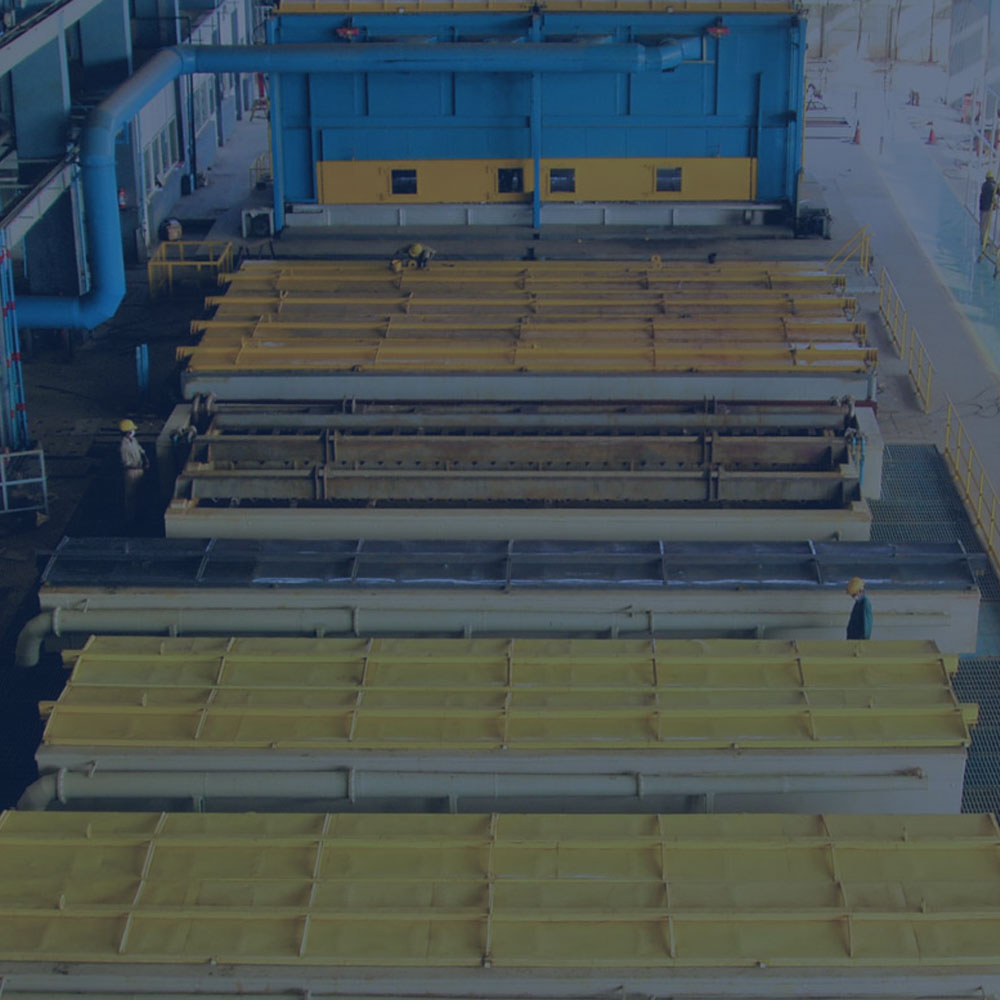
.A Fired High Velocity Furnace is a specially engineered industrial heating system designed to create powerful, high-speed combustion flames that circulate heat rapidly and evenly across the processing area. It is commonly used in applications such as:
- Hot-dip galvanizing
- Thermal treatment of metals
- Furnace heating before chemical processing
- Preheating metal for coating lines
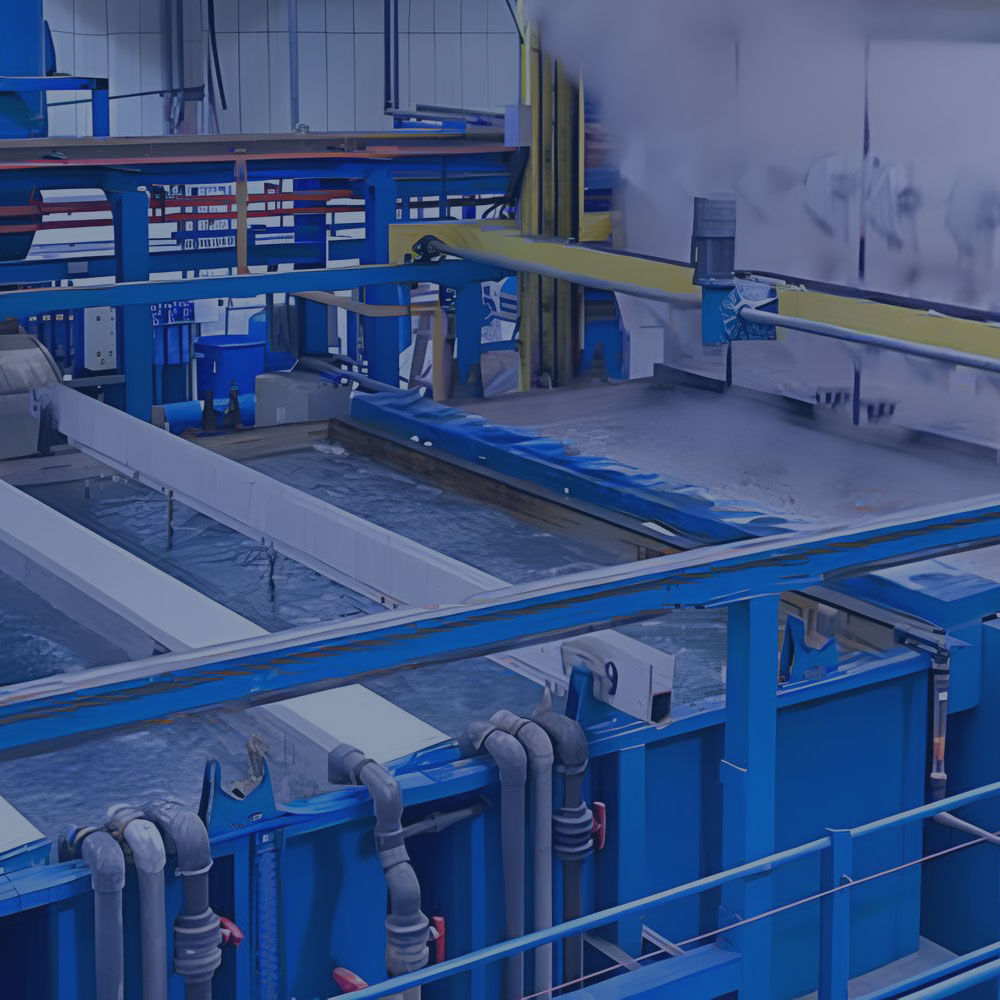
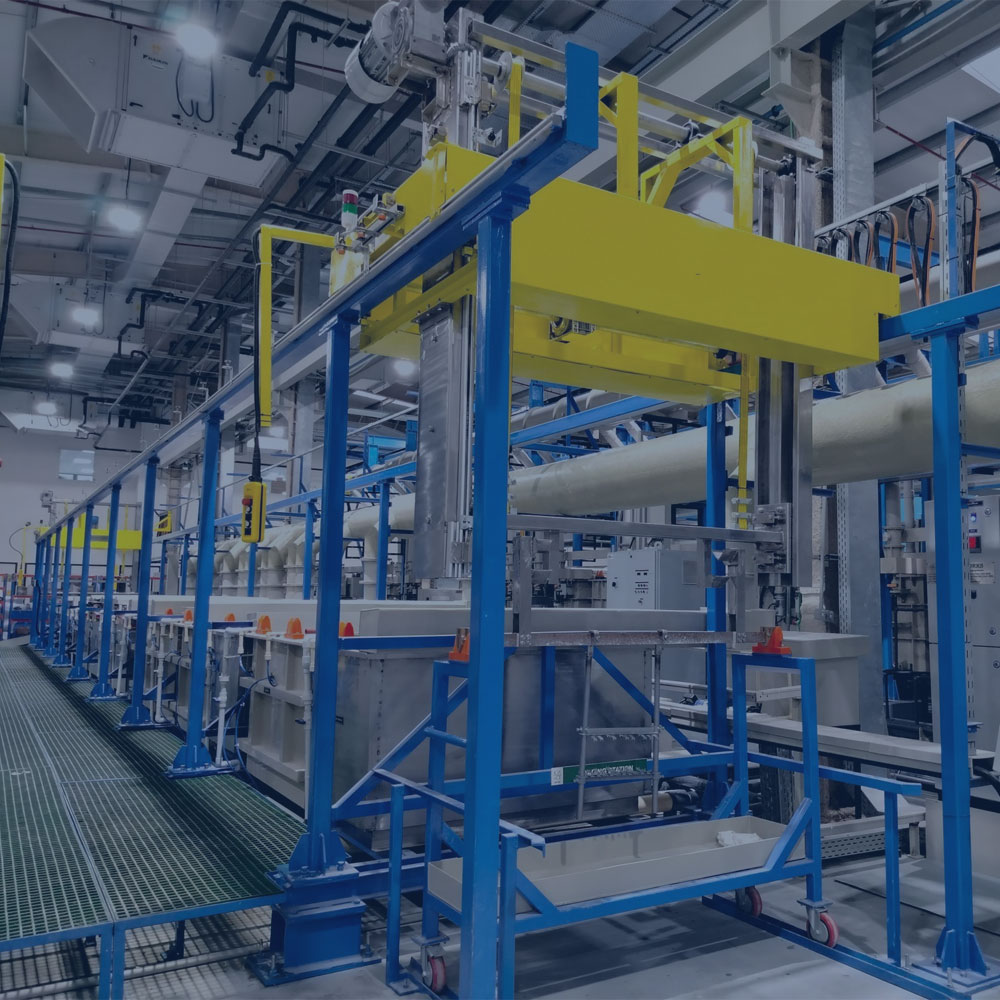
- Industrial tanks requiring consistent thermal flow
High-velocity burners operate at extremely fast flame speeds, pushing heated air throughout the chamber to create uniform temperature zones. This makes them ideal for processes that demand consistent thermal performance without heat fluctuations.
Key Features to Look for in a High-Performance Fired High-Velocity Furnace
Below are the most important features industries should look for before choosing a furnace for their operations.
High-Speed Combustion for Uniform Heating
The primary advantage of a Fired High Velocity Furnace comes from its high-speed combustion. The flame velocity is significantly higher than that of traditional burners, allowing heat to spread evenly across all processing surfaces.
Uniform heating results in:
- Better quality output
- Reduced heating time
- Consistent thermal distribution
- Stable process temperatures
Strong Temperature Control Mechanism
Temperature stability directly affects final product quality, especially in metal processing and surface treatment applications. A reliable temperature control mechanism must offer:
- Accurate reading
- Reliable switching capacity
- Stable thermal regulation
- Quick adjustment response
High Thermal Efficiency
A furnace’s efficiency determines fuel savings, heating costs, and overall operational output. Key elements that contribute to high thermal efficiency include:
- Fast heat transfer
- Controlled air-to-fuel ratios
- Optimized combustion chamber design
- Proper insulation
High-velocity combustion creates immediate heat circulation, reducing warm-up time and supporting better operational speed.
Robust Burner Design
Burners are the heart of a Fired High Velocity Furnace. A robust burner design contributes to:
- Reliable ignition
- Long-term performance
- Stable flame characteristics
- High-velocity air movement
- Reduced fuel consumption
Durable Construction and Heat-Resistant Materials
Furnaces operate at extremely high temperatures, so the materials used in construction matter greatly. Look for:
- Heat-resistant metals
- Sturdy fabrication
- High-temperature insulation
- Proper mechanical strength
Durable construction prevents structural failure, cracking, thermal distortion, and premature wear.
Low Maintenance Requirements
Industrial furnaces run continuously, often for several hours or even days at a time. This is why the best furnaces are designed for minimal maintenance needs.
Key factors include:
- Quality insulation
- Heavy-duty burner assembly
- Stable wiring and controls
- Smooth airflow pathways
Efficient Fuel Consumption
Fuel usage contributes significantly to industrial operational cost. A well-engineered Fired High Velocity Furnace supports:
- Proper combustion
- Minimal fuel waste
- Balanced oxygen supply
- Optimum burner calibration
High energy efficiency reduces long-term running costs and minimizes thermal losses.
Rapid Heat Circulation
The defining feature of a high-performance high-velocity furnace is its rapid heat movement through the chamber.
Benefits include:
- Shorter process cycles
- Fast heating of industrial tanks
- Improved heat penetration
- Better temperature uniformity
Process consistency increases significantly when heat travels smoothly and rapidly across the heating area.
Reliable Safety Standards
A high-quality furnace should be built with:
- Safe ignition systems
- Flame stability components
- Heat-proof structural elements
- Proper gas flow regulation
These features make the furnace suitable for continuous industrial use without operational risk.
Compatibility With Industrial Tanks and Systems
The furnace must be compatible with various industrial setups such as:
- Pickling tanks
- Galvanizing tanks
- Melting units
- Coating lines
- High-temperature processing chambers
Why High-Velocity Heating Is Essential for Modern Industries
Industries today run on speed, precision, and reliability. A traditional heating system may deliver heat, but not at the speed or uniformity required for high-demand production.
A Fired High Velocity Furnace supports:
- Faster heat processing
- Better temperature precision
- Long continuous operation
- Improved fuel management
- Higher-quality final output
Why Choose Us
Choosing STEP® Techno Solutions LLP means working with a team dedicated to strong engineering, long-lasting fabrication, and advanced furnace technology tailored for Indian industrial environments. Our STEPSmart® Fired High Velocity Furnace is built for performance, durability, superior thermal output, and long operational reliability. We focus on combining high-speed combustion with stable temperature control and robust construction that supports real industrial workloads. With strong customization capabilities, expert manufacturing experience, and application-focused design, STEP® Techno Solutions LLP delivers furnace solutions that match the demands of modern metal processing, galvanizing, and thermal treatment industries.
Conclusion
A Fired High Velocity Furnace provides powerful thermal output, stable temperature balance, rapid heat circulation, and reliable long-term performance for demanding industrial processes. Industries working with metals, galvanizing, or heat treatment benefit from faster processing, better product consistency, and reduced thermal fluctuations. Selecting the right furnace helps businesses achieve stronger heating quality, higher productivity, and durable long-term value. With advanced engineering and performance-driven furnace designs, STEP® Techno Solutions LLP continues to support the evolving needs of modern industrial heating systems.
For expert insights on Fired High-Velocity Furnace technology, contact us today. Call us at +91 98988 75757 or email info@steptsl.com.
FAQs
What is a Fired High Velocity Furnace?
It is an industrial furnace designed to deliver rapid, high-speed combustion for fast, uniform heating across industrial processing systems.
Where is a high-velocity furnace used?
It is used in galvanizing plants, metal heating, industrial tank heating, surface treatment units, and general high-temperature processing applications.
What makes high-velocity heating effective?
High-speed combustion creates powerful thermal flow, giving consistent temperatures and reducing heating time.
Can these furnaces be customized for different industries?
Yes, furnaces can be customized according to tank size, heating requirements, fuel type, and industrial layout.
Does STEP® Techno Solutions LLP provide installation support?
Yes, STEP® Techno Solutions LLP offers complete technical support, installation guidance, and application-specific furnace solutions.