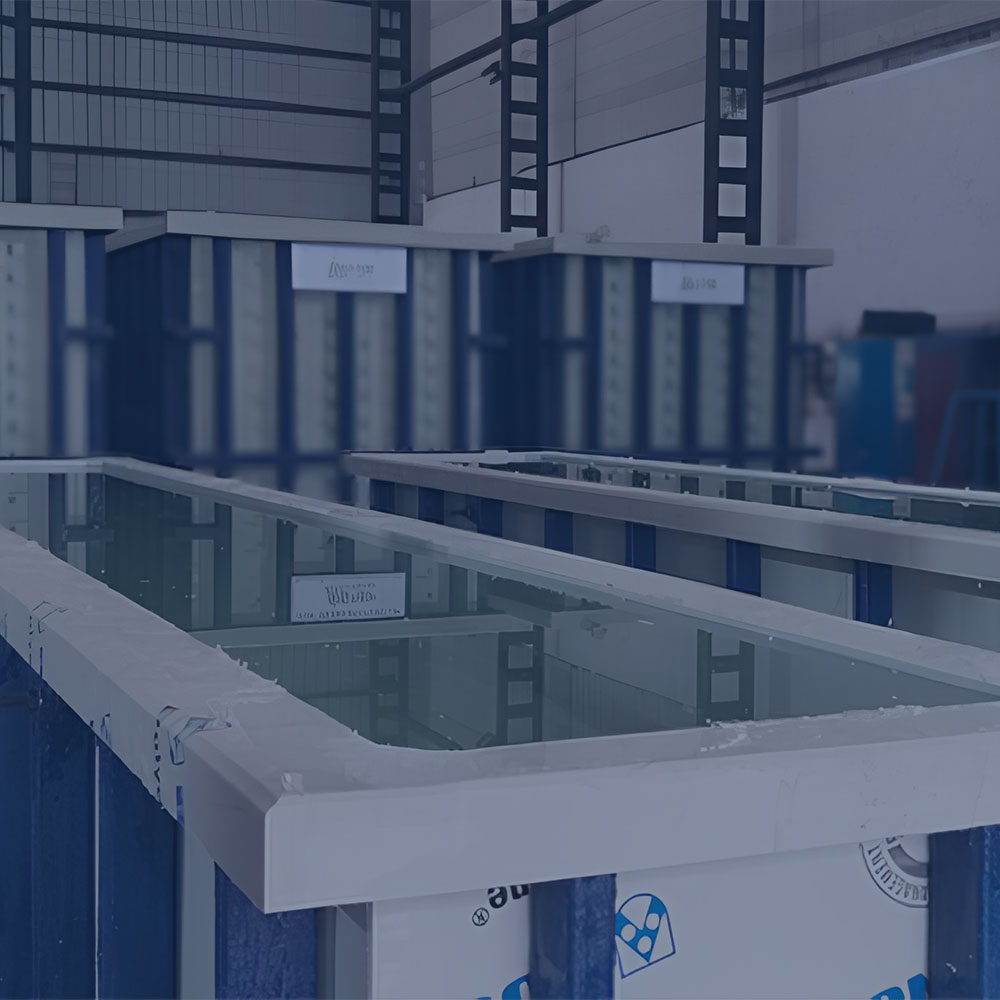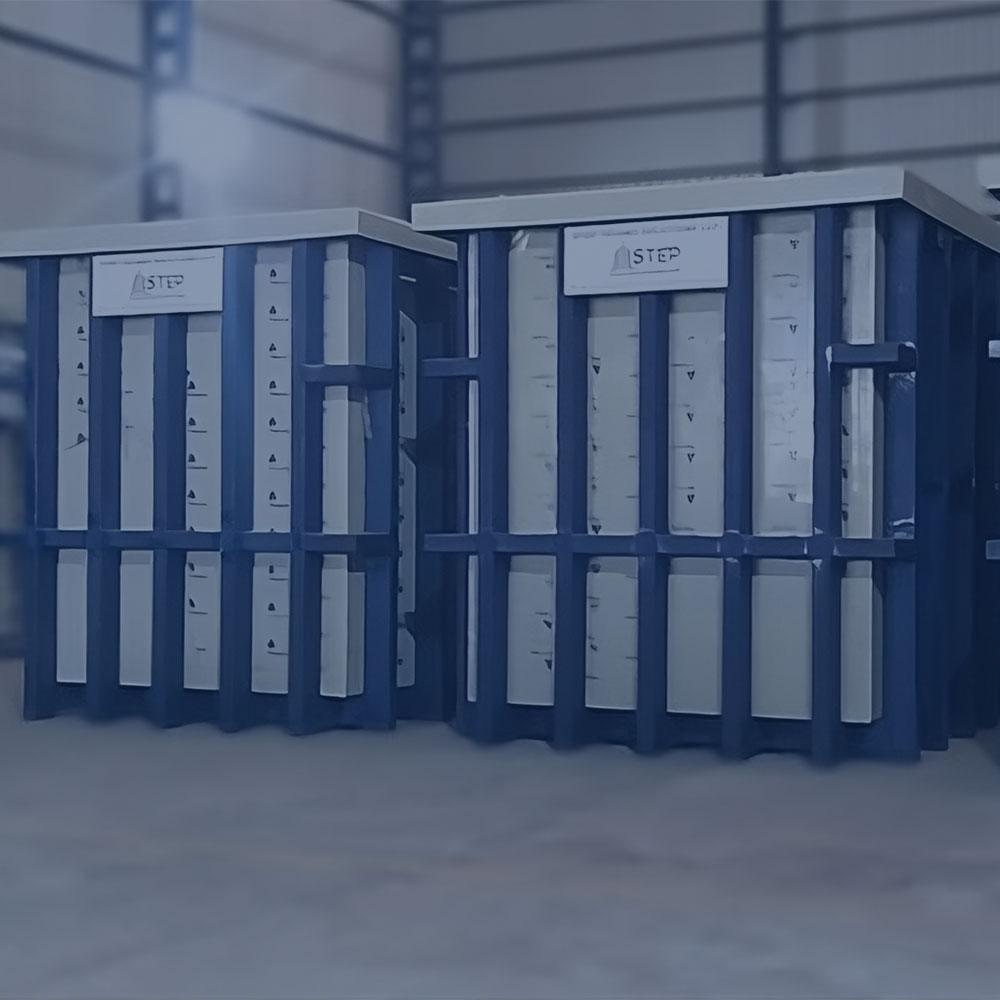
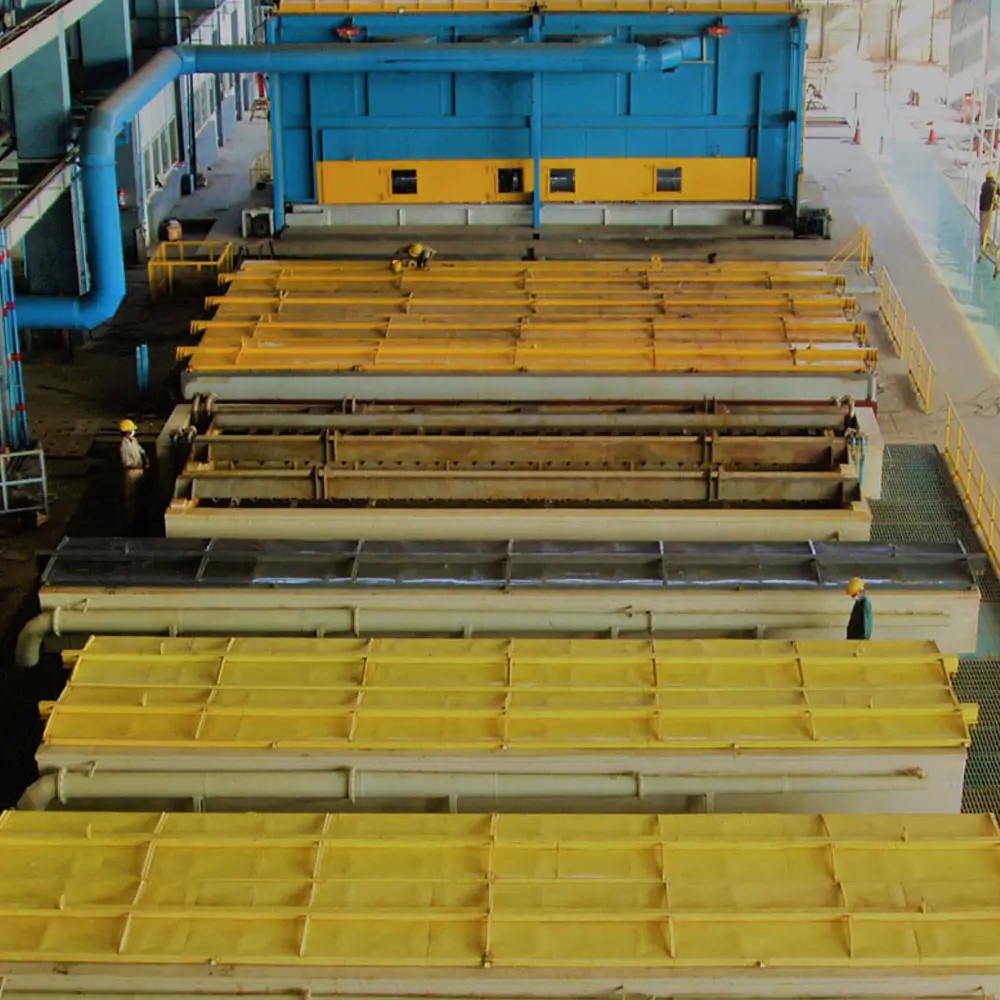
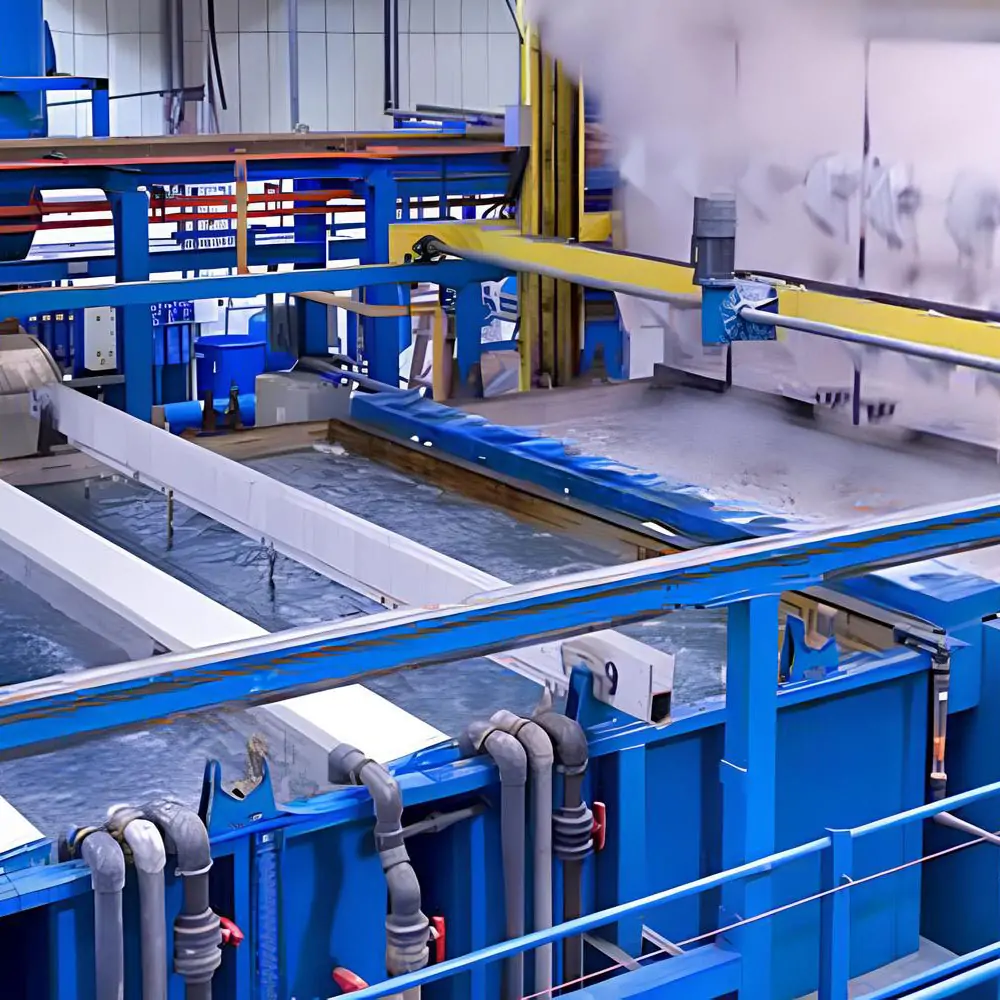

In modern industrial operations, few assets play a more vital role than storage systems designed to handle liquids, chemicals, solvents, wastewater, fuels, and other industrial materials. Whether used in manufacturing, chemicals, pharmaceuticals, water treatment, food processing, or metal finishing, industrial storage tanks directly affect operational reliability, safety, longevity, and cost-efficiency.
What Are Industrial Storage Tanks and Why Are They Essential?
Industrial storage tanks are specialized containers engineered to hold chemicals, acids, water, effluents, hazardous liquids, process materials, and various industrial substances. Their importance goes far beyond simple storage — they support large-scale processes, protect materials from contamination, prevent chemical reactions with the environment, maintain material integrity, and help operations maintain continuous flow.
Industries rely on these tanks for:
- Safe handling of corrosive or reactive chemicals
- Storage of raw materials used in production
- Wastewater neutralization and treatment
- Bulk storage for long-term industrial processes
- Controlled containment of hazardous substances
Key Design Factors You Must Consider Before Selecting Industrial Storage Tanks
Choosing the right storage tank involves several technical considerations. Below are the most crucial design factors industries should evaluate for long-term performance and safety.
Material of Construction (MOC)
The tank’s material determines how long it will last and how safely it will handle chemical exposure. The most common materials include:
- Polypropylene (PP): Ideal for harsh chemical environments. PP storage tanks perform strongly in industries requiring corrosion resistance.
- High-Density Polyethylene (HDPE): Used widely for wastewater, process liquids, and moderate chemical storage. HDPE offers excellent durability and impact resistance.
- FRP (Fiber Reinforced Plastic): Ideal for corrosive environments requiring structural strength.
- Stainless Steel: Used when heat resistance and structural integrity are needed.
Tank Shape & Structural Design
The tank design depends on what materials you intend to store and how they interact physically or chemically.
- Cylindrical Vertical Tanks: Best for water, chemicals, and large-volume storage.
- Cylindrical Horizontal Tanks: Ideal for transport and low-height installations.
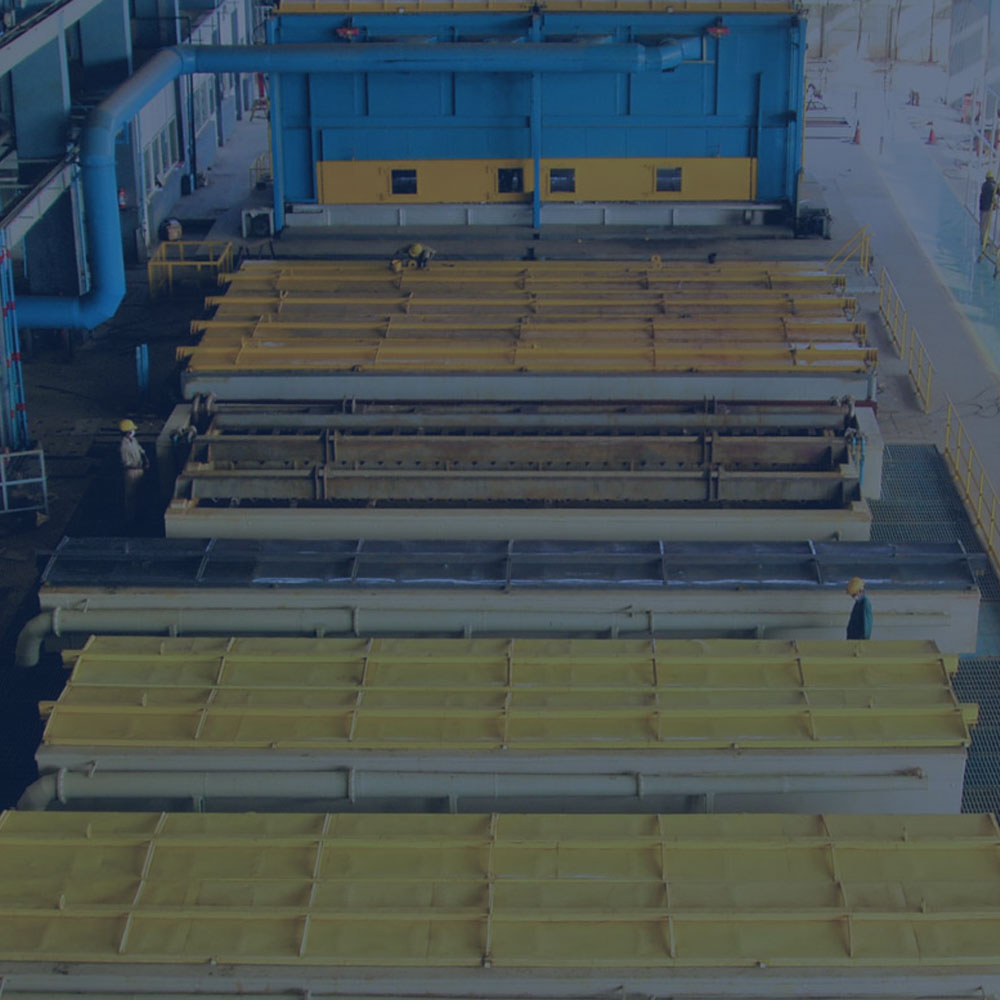
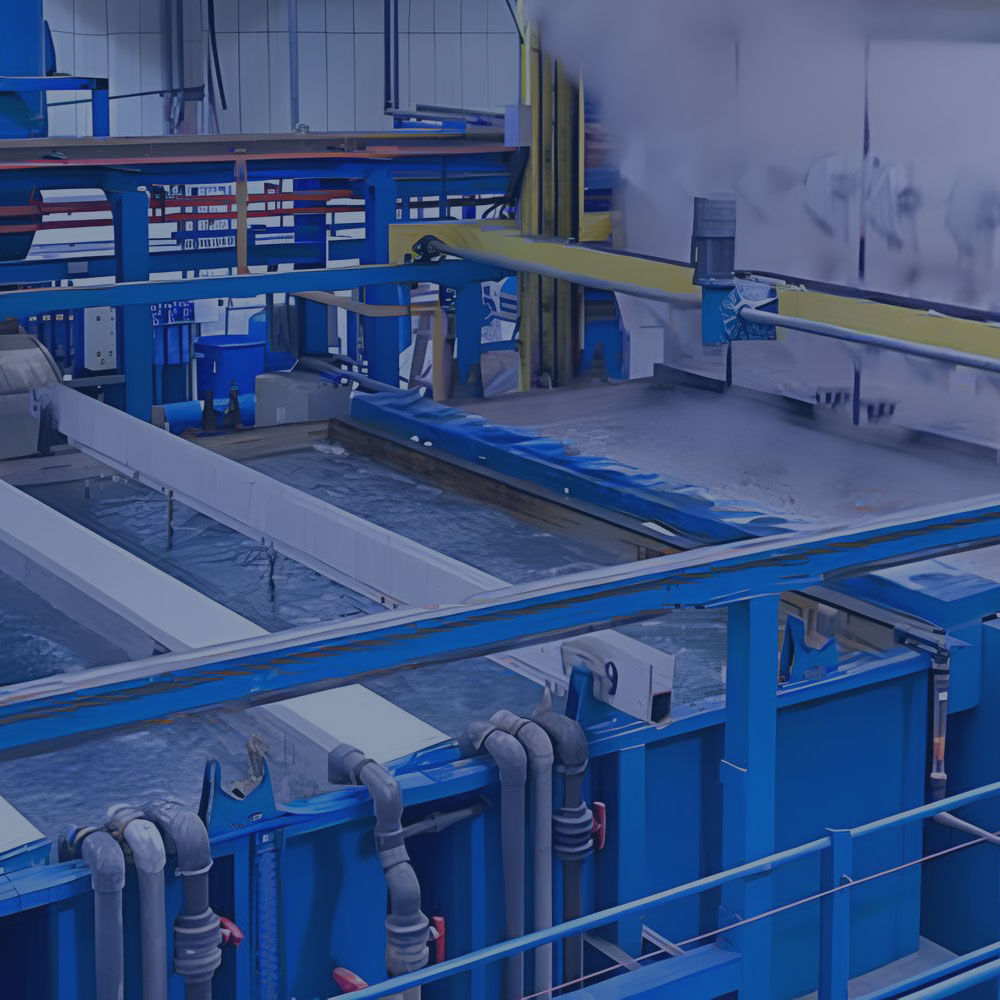
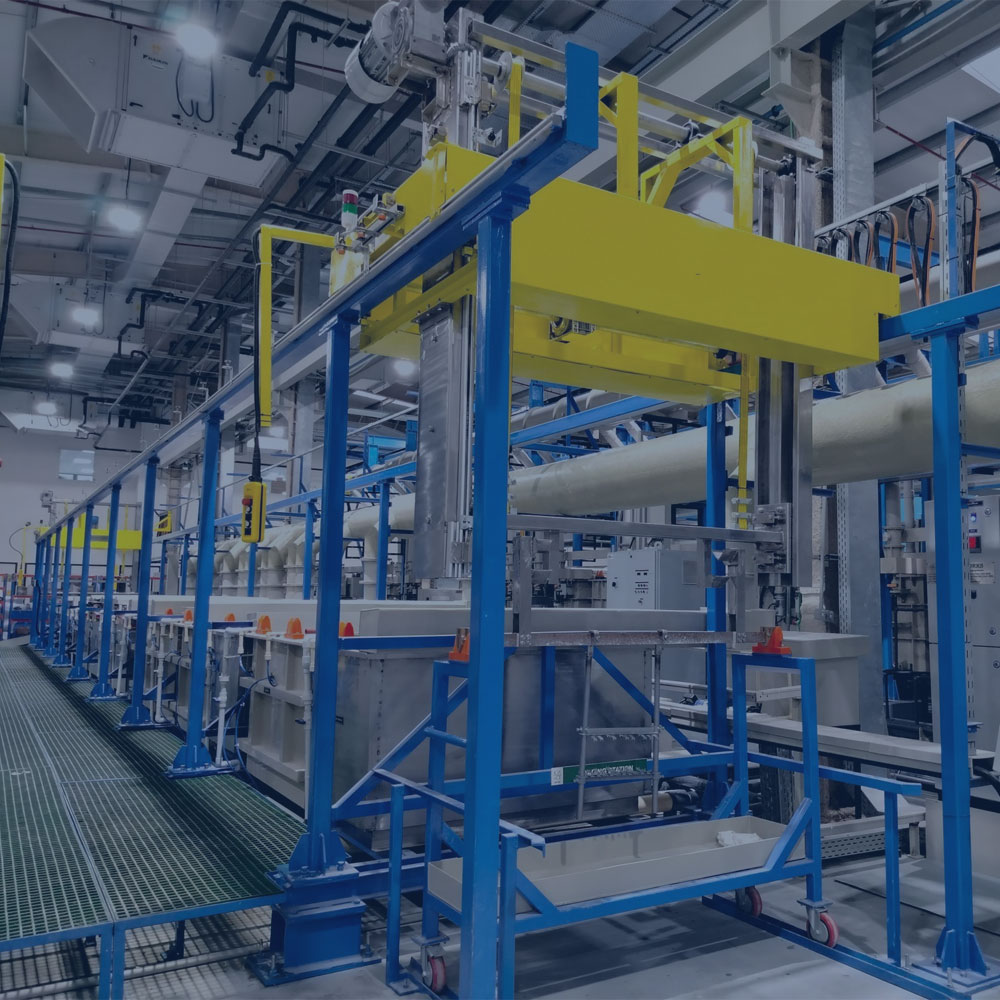
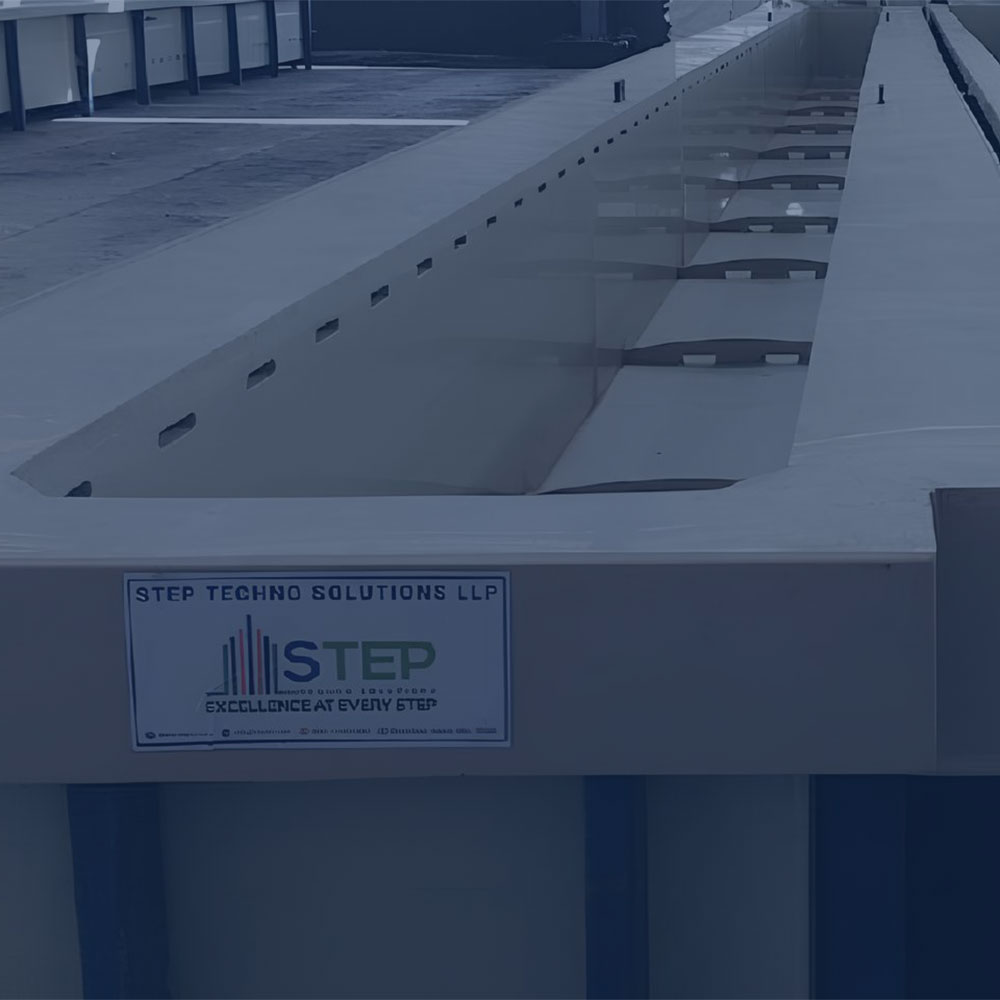
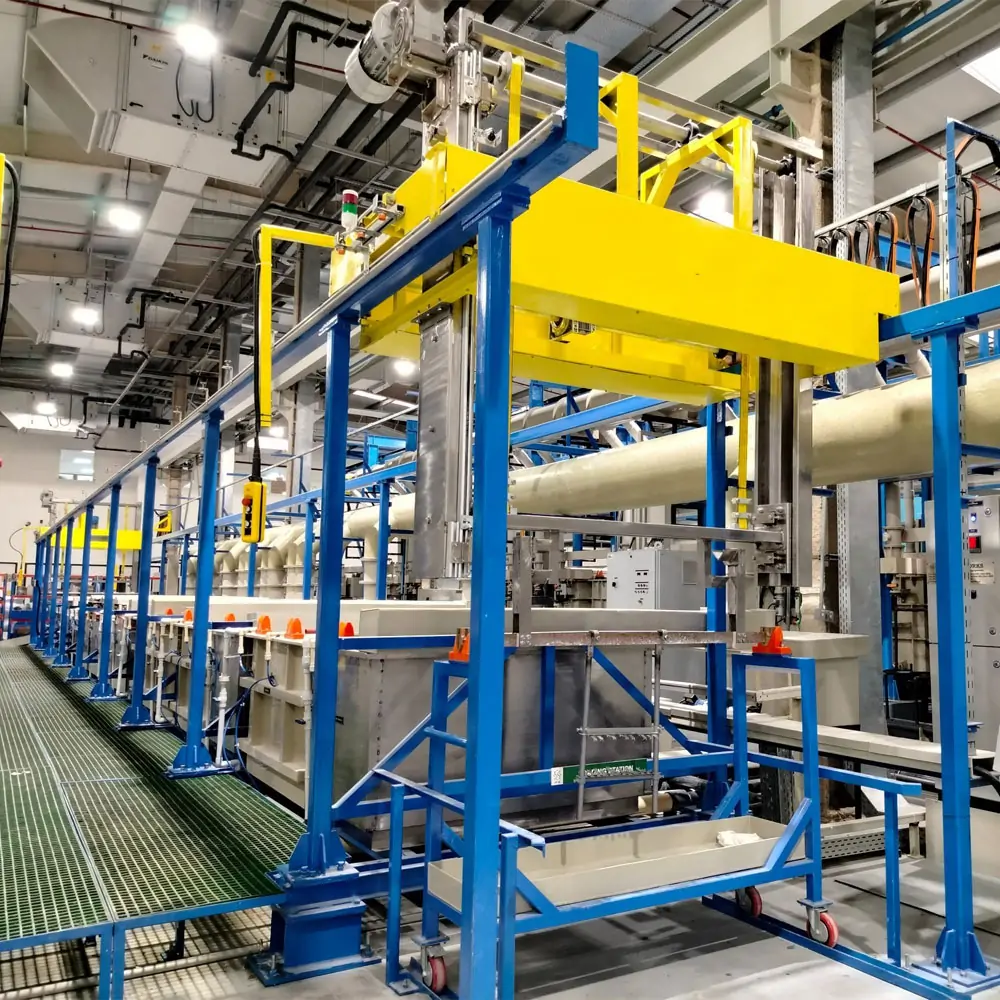
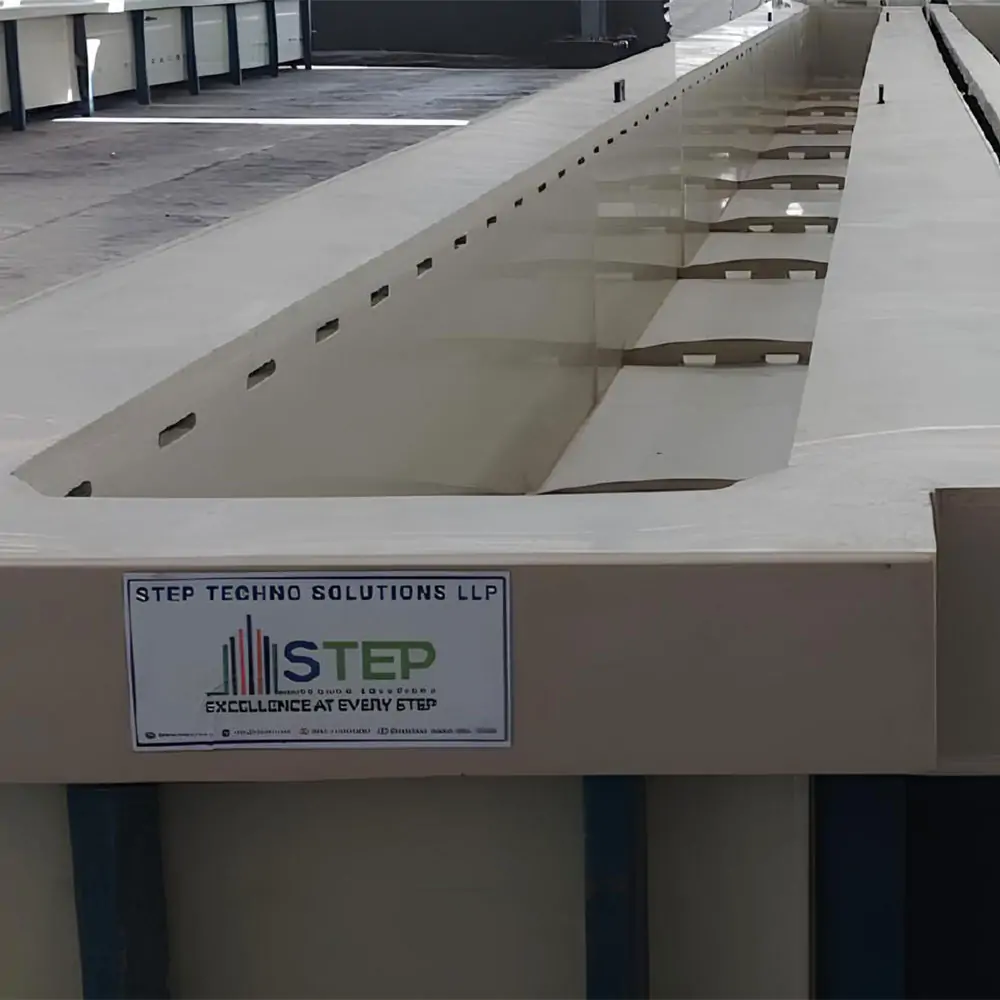
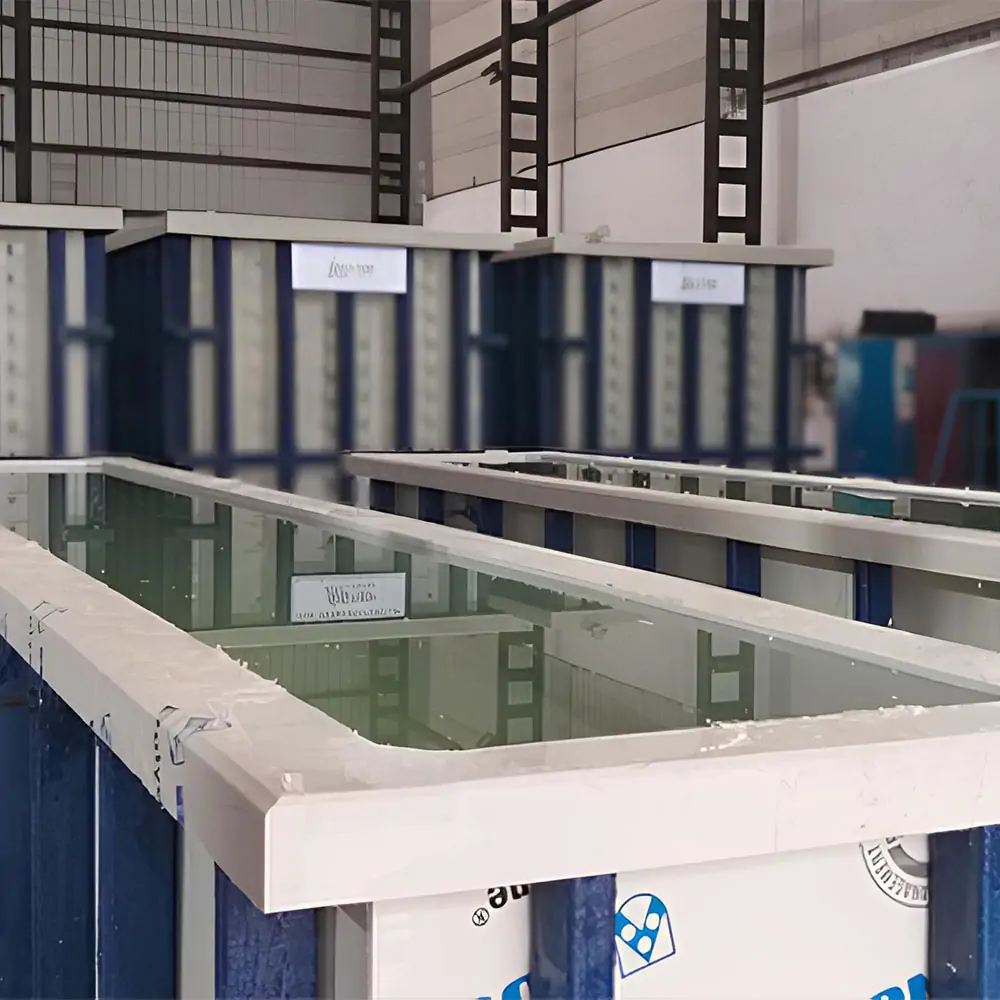
- Rectangular Tanks: Used commonly in chemical processing, plating plants, and metal treatment lines.
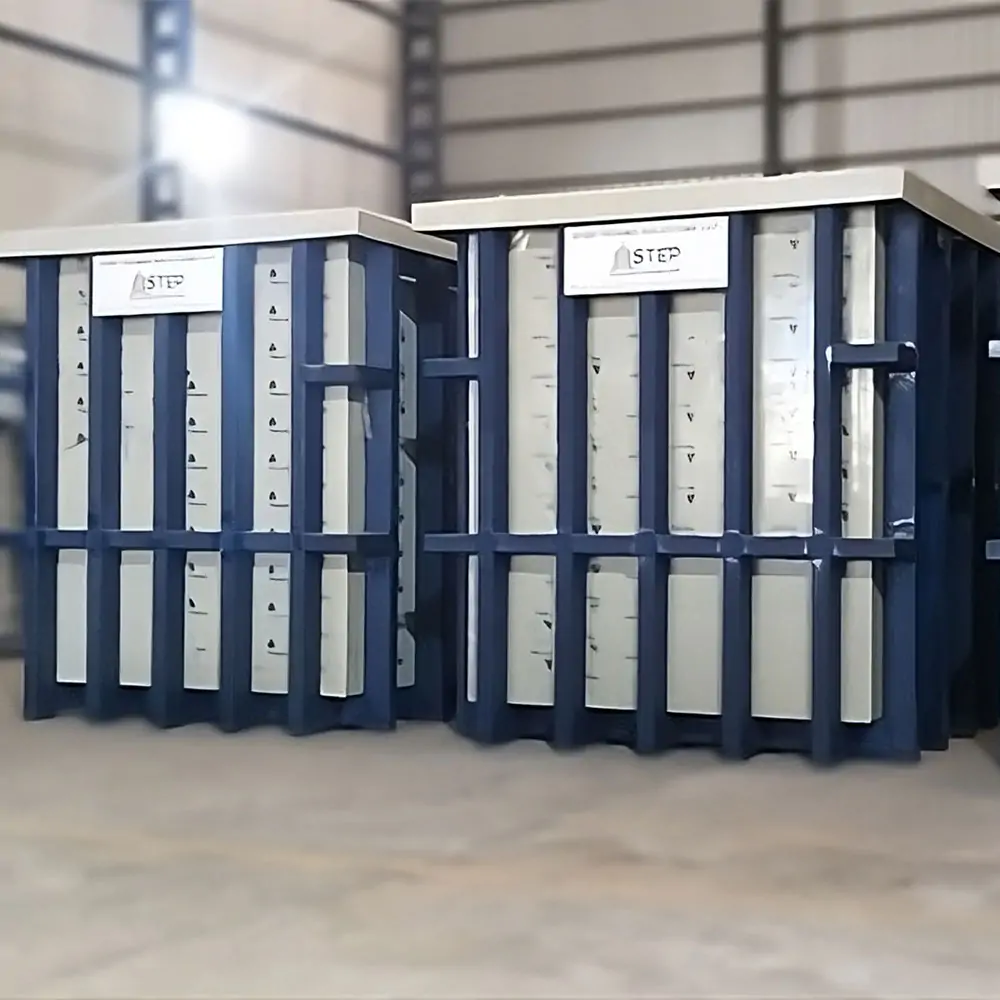
- Double-Walled Tanks: Used for hazardous chemicals to increase safety and prevent contamination.
Capacity & Space Requirements
Before selecting a tank, evaluate:
- Daily and monthly usage volume
- Expansion plans
- Storage duration
- Required backup capacity
- Available installation space
Oversized tanks may affect cost and installation complexity, while undersized tanks interrupt production cycles.
Chemical Compatibility
Chemical behavior matters deeply in tank design. Corrosive chemicals, oxidizers, acids, alkalis, and organic solvents can react unpredictably if the tank material is unsuitable.
Key factors include:
- pH levels
- Chemical concentration
- Temperature range
- Reactivity with tank materials
- Vapor or gas generation
Temperature Resistance
Industrial processes often involve heated liquids or thermal cycles. Tank materials must tolerate:
- Temperature variations
- Thermal stress
- Industrial heating processes
Wall Thickness and Reinforcement
The structural strength of an industrial storage tank depends on:
- Wall thickness
- Reinforced ribs
- Weld strength
- Internal lining
- Outer support frames
Installation Type (Above-Ground or Underground)
Installation is a crucial design factor. The two major formats include:
- Above-Ground Tanks: Most common; easier to maintain and inspect.
- Underground Tanks: Used where space is limited or when material must be kept insulated.
Venting, Overflow, and Leakage Control
Industrial storage tanks must be incorporated:
- Vent pipes
- Overflow mechanisms
- Safe drainage systems
- Leak-proof welding
- Chemical-resistant fittings
These systems prevent pressure build-up and accidental spills.
Customization Options
Different industries need different tank designs. Customization options may include:
- Tailored dimensions
- Nozzle sizing and placement
- Chemical-resistant lids
- Additional compartments
- Customized drainage systems
- Support stands and mountings
Maintenance Requirements
An industrial storage tank is a long-term asset. Proper maintenance includes:
- Regular inspection
- Cleaning cycles
- Monitoring Weld Joints
- Replacement of fittings
- Checking for cracks or deformation
The Importance of Selecting the Right Manufacturer
Choosing the right manufacturer is a decision that affects:
- Tank performance
- Chemical safety
- Long-term cost
- Installation accuracy
- Customization compatibility
A knowledgeable manufacturer provides expert technical guidance and supplies tanks designed for real-world industrial conditions.
Why Choose Us
Working with STEP® Techno Solutions LLP provides industries with unmatched design quality, long-term reliability, and superior technical expertise. Our STEPStrong® industrial storage tanks are created for challenging Indian industrial environments using chemical-resistant materials, high-strength welding, and advanced fabrication methods. We focus on performance, durability, customization, chemical compatibility, and practical engineering. Our tanks stand strong across industries like metal finishing, chemical processing, wastewater treatment, and manufacturing. When you choose STEP® Techno Solutions LLP, you receive dependable quality, precise customization, and industry-driven engineering crafted for maximum operational advantage.
Conclusion
Industrial storage tanks are one of the most important assets in factories, chemical plants, processing facilities, and heavy industries. Selecting the right material, structure, design, capacity, and customization determines long-term performance and operational value. A well-designed industrial storage tank supports chemical safety, long-term reliability, and efficient workflow across different industrial processes. Choosing an experienced and technically capable manufacturer provides comprehensive benefits in durability, safety, and practical performance. For industries aiming to elevate reliability and process quality, partnering with companies like STEP® Techno Solutions LLP offers long-term operational stability and advanced engineering support.
For more insights into storage tanks contact us today. Call us at +91 98988 75757 or email info@steptsl.com.
FAQs
What materials are best for industrial storage tanks?
PP, HDPE, FRP, and stainless steel are preferred depending on chemical compatibility, temperature needs, and structural load requirements.
Can storage tanks be fully customized?
Yes, industries can request custom sizes, shapes, nozzles, lids, reinforcements, and drainage systems depending on operational needs.
How long do industrial storage tanks last?
With proper material selection and correct fabrication, tanks can last many years based on chemical conditions and operational cycles.
Are PP and HDPE tanks suitable for highly corrosive chemicals?
Yes, PP and HDPE tanks are widely used for chemicals, acids, and corrosive industrial substances due to their chemical-resistant properties.
Where can I get reliable industrial storage tanks in India?
STEP® Techno Solutions LLP supplies premium industrial tanks tailored to industrial applications across India.