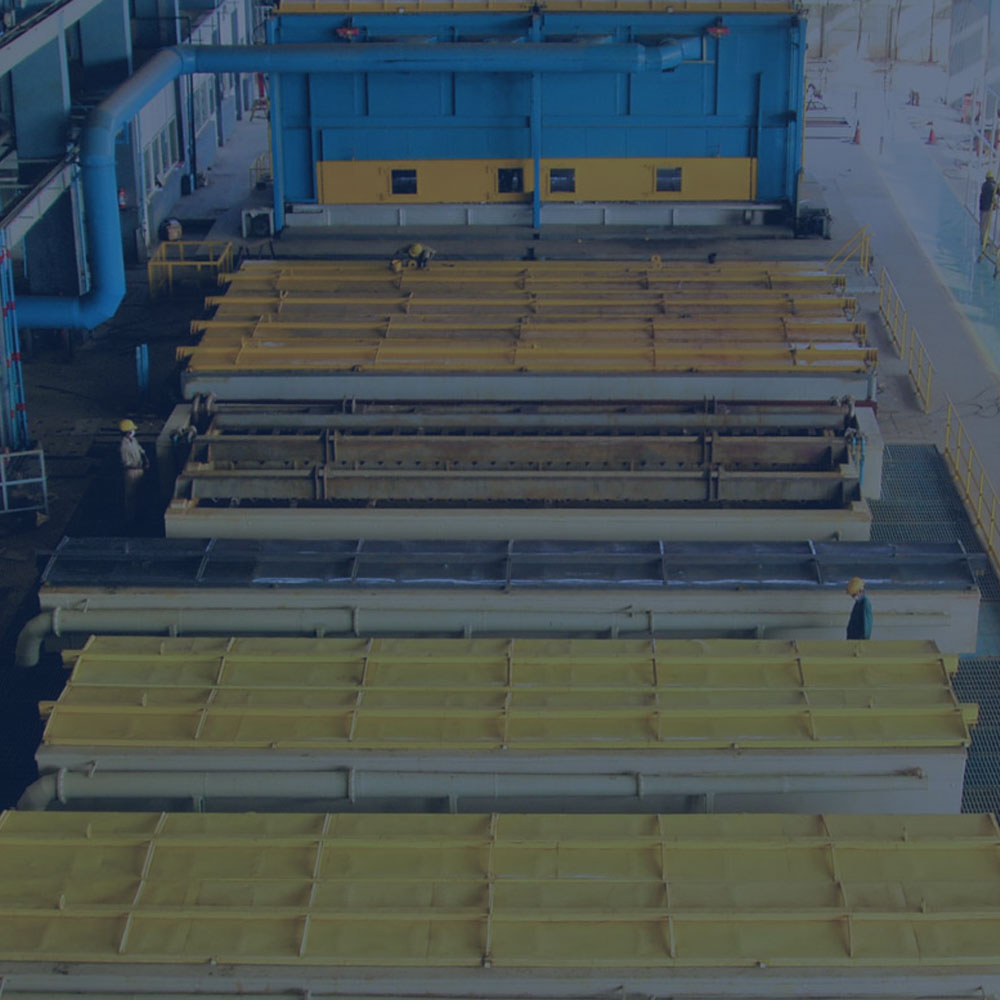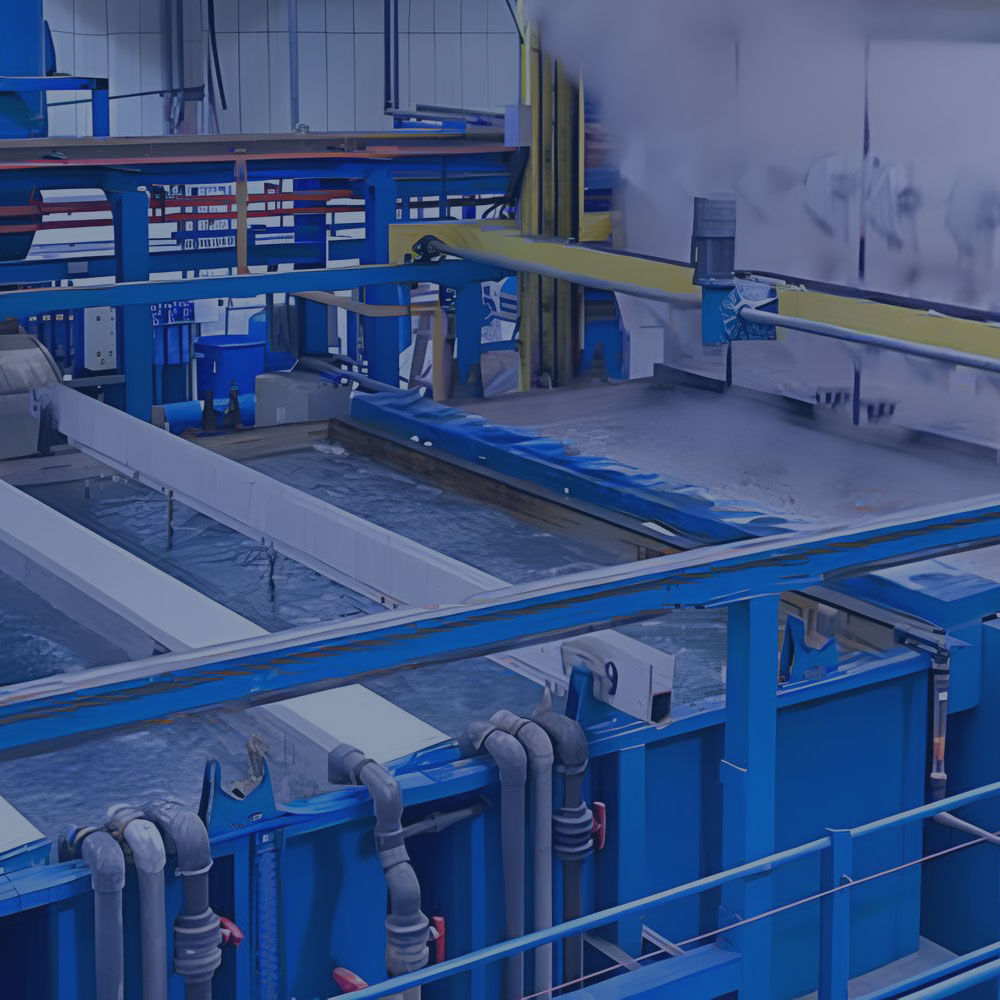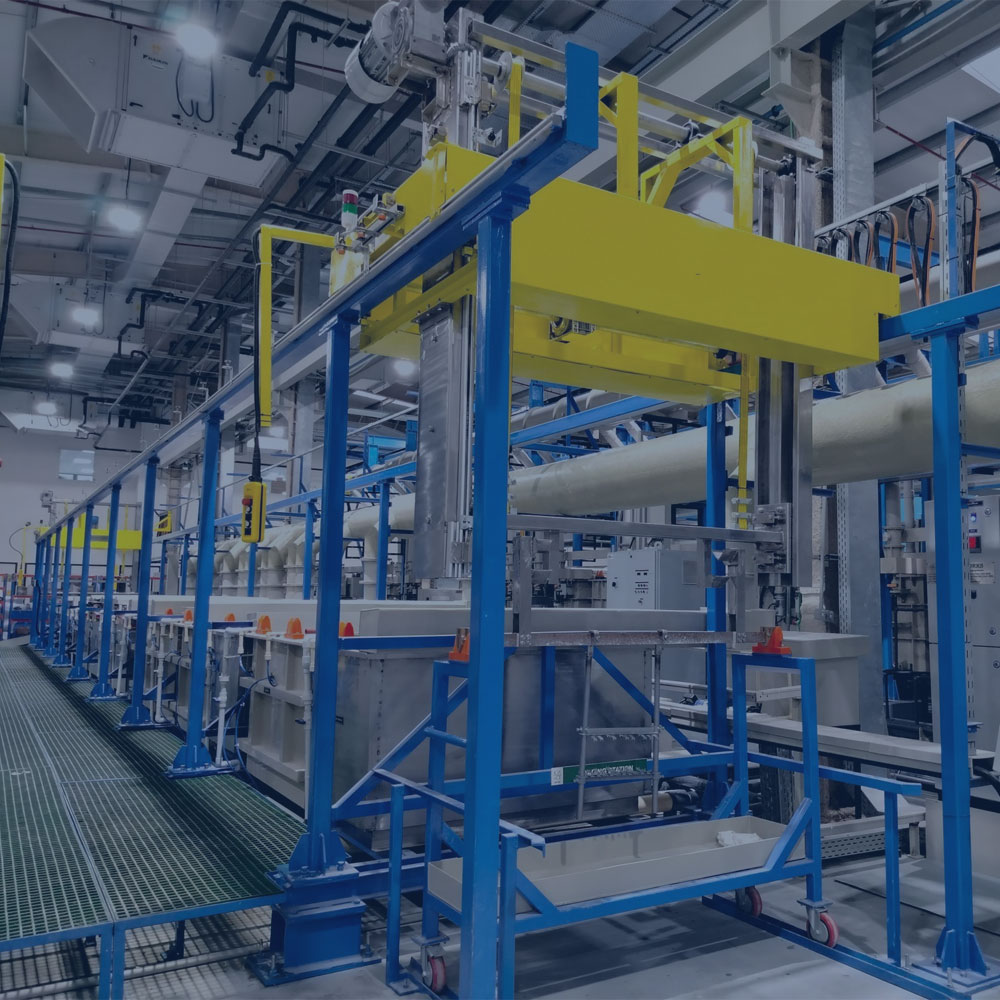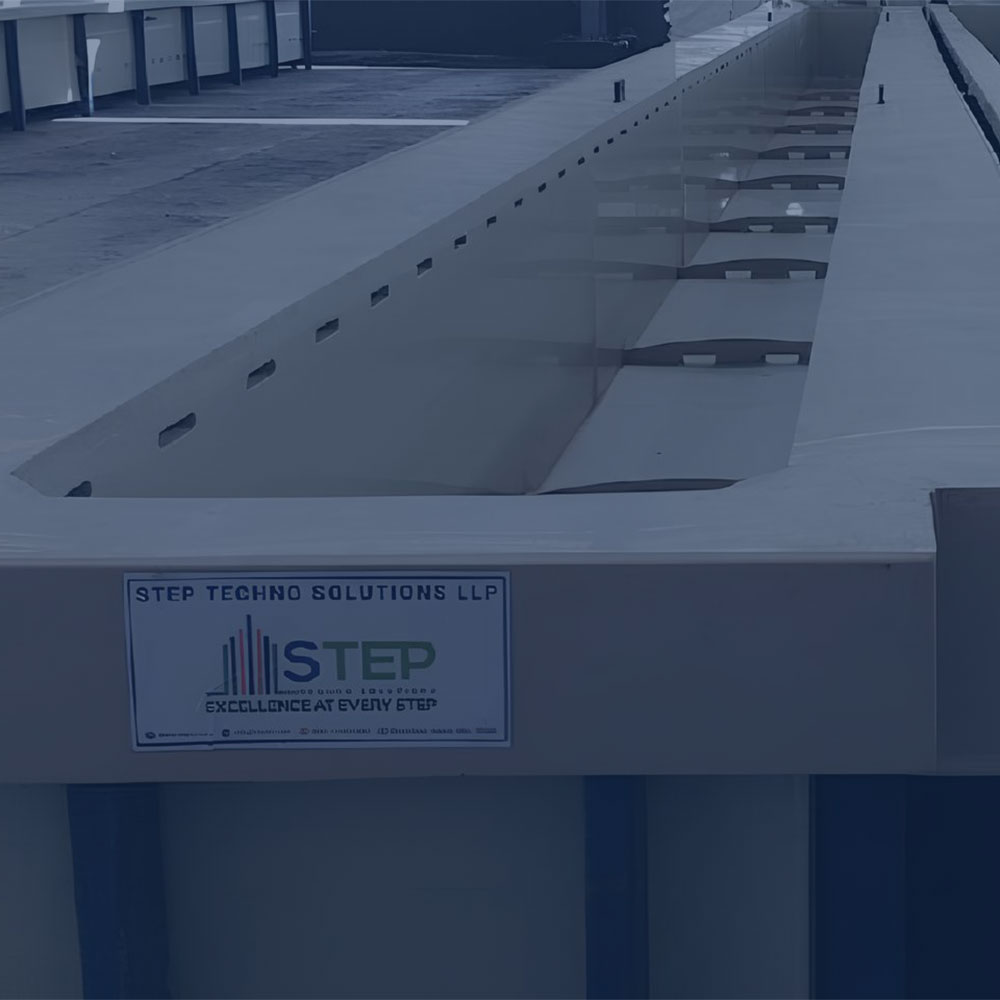
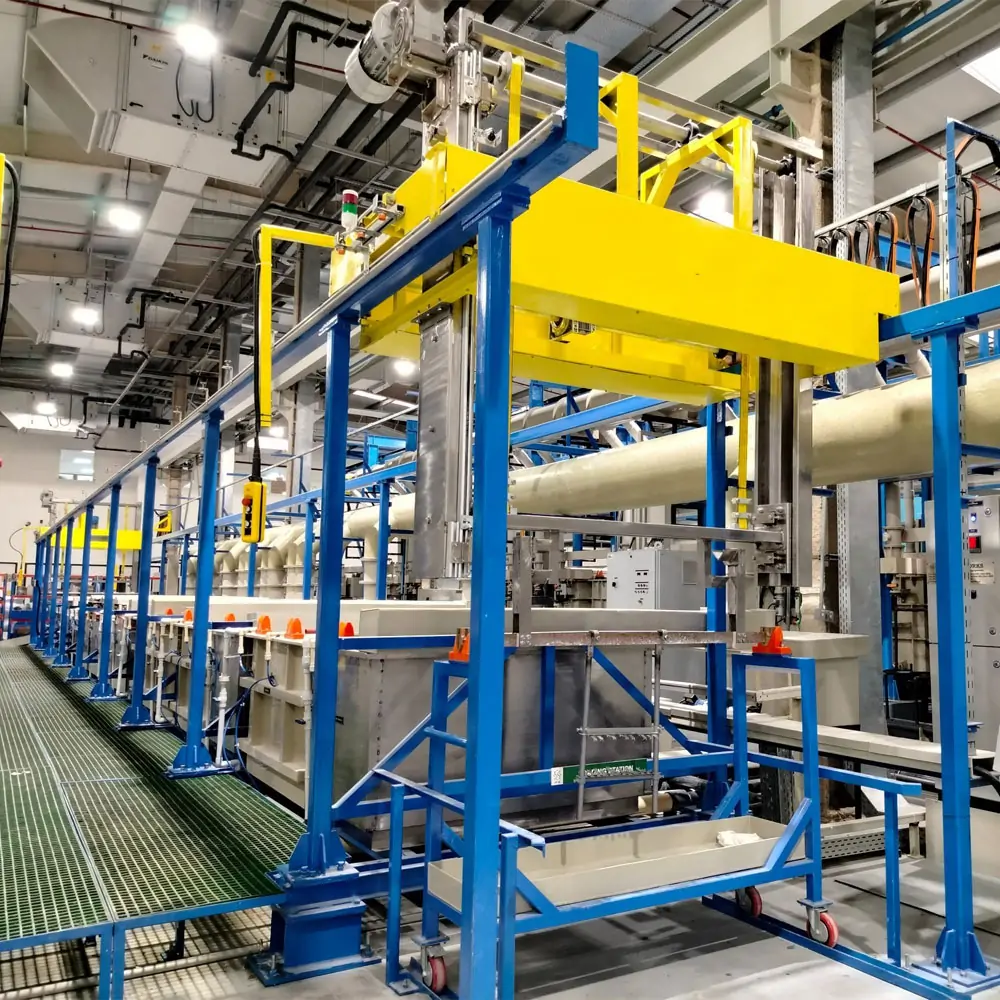
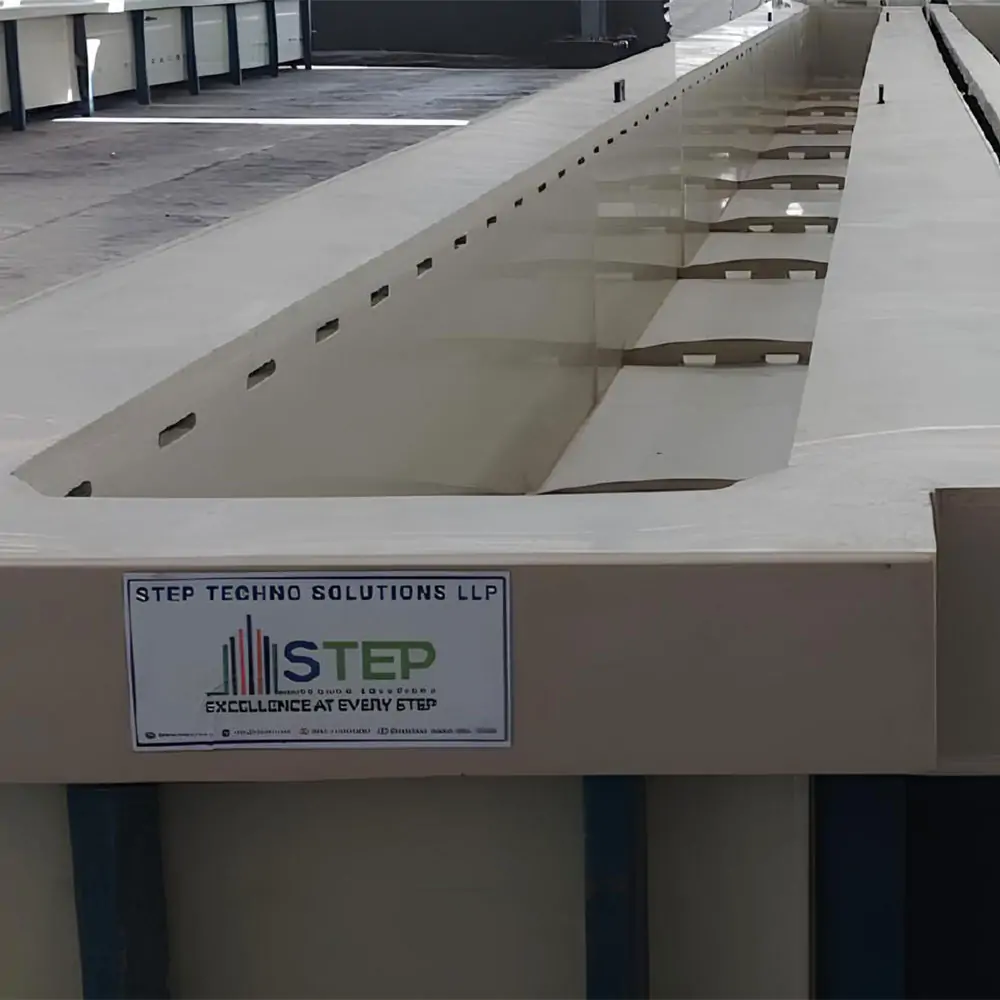
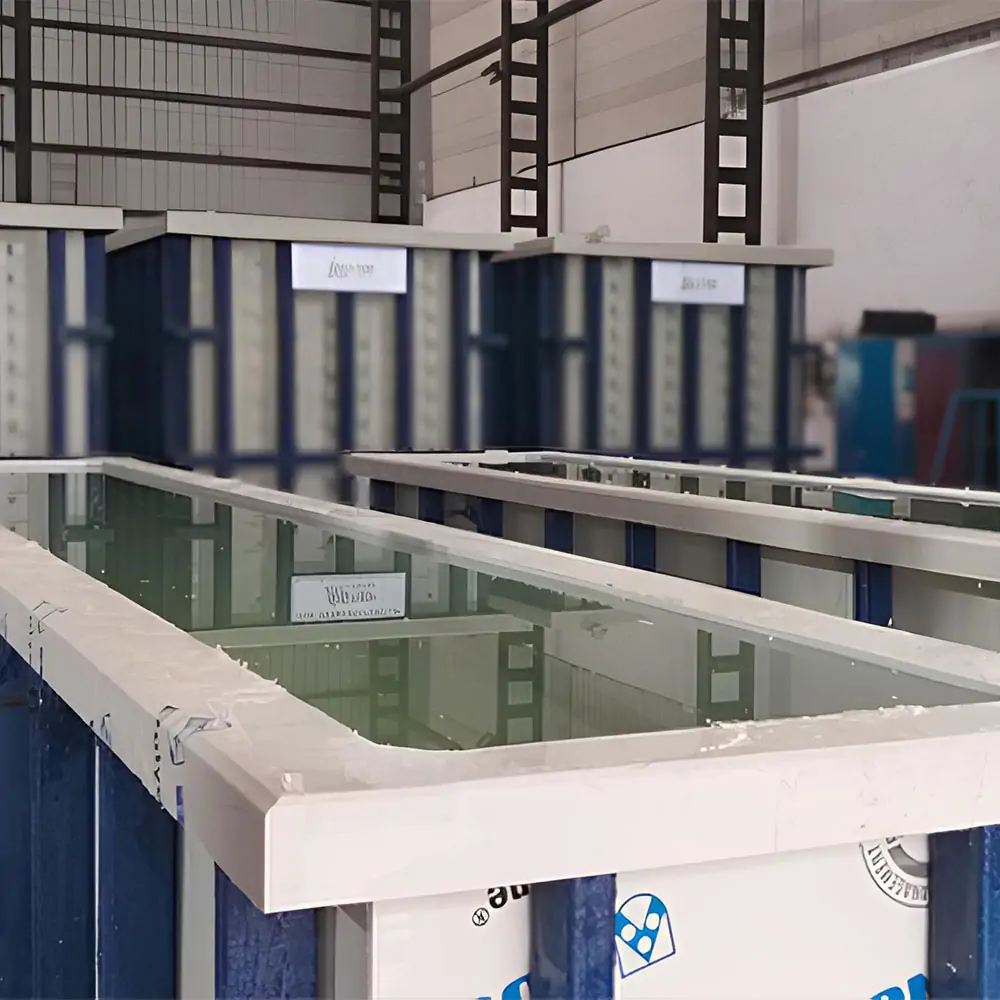
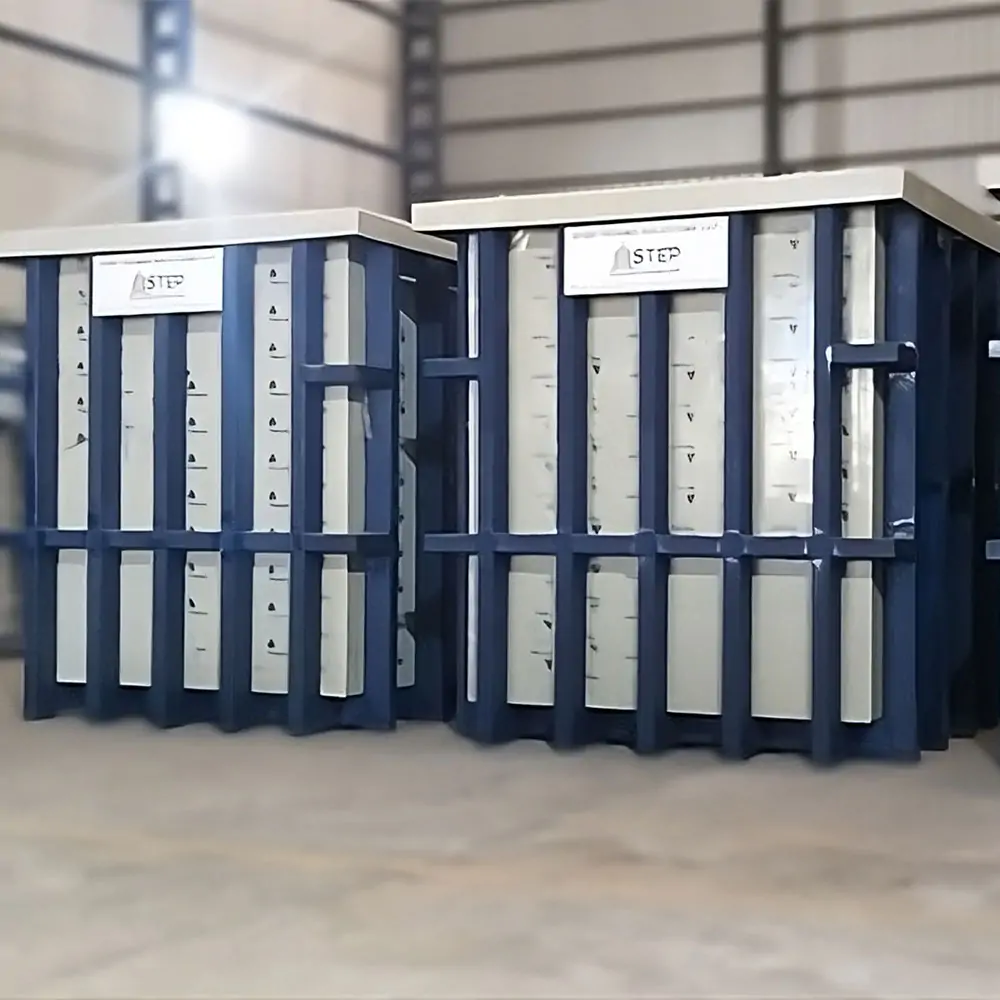
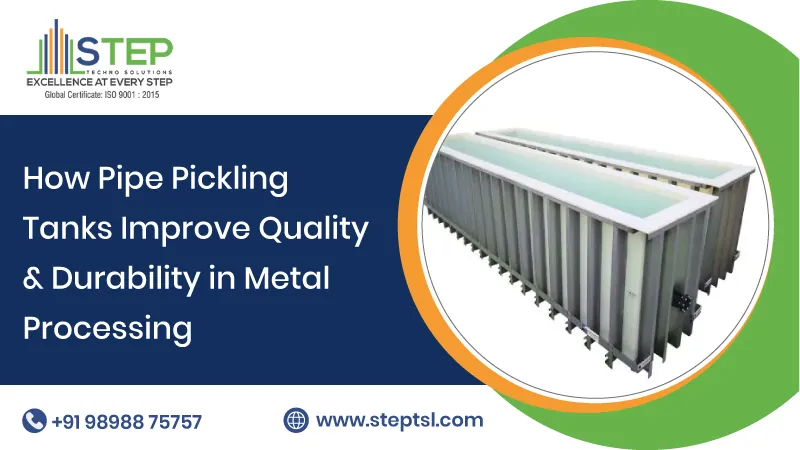
In metal processing industries — whether it’s steel fabrication, oil & gas pipelines, infrastructure development, or machinery manufacturing — maintaining the integrity and surface quality of pipes is absolutely vital. One of the most effective ways to achieve that is through the use of a properly designed Pipe Pickling Tank. In this blog, we explain why pipe pickling tanks matter so much for quality and durability, what a good pickling tank does, which features to look for, and why STEP® Techno Solutions LLP is among the top Pipe Pickling Tank Manufacturers in India to trust for high-quality, safe, industrial-grade pickling equipment.
What Is Pipe Pickling — And Why It Matters
Metal pipes, especially steel or iron pipes, rarely come out of raw production completely clean. During manufacturing, storage, transportation, or welding/fabrication processes, the pipe surfaces accumulate rust, mill scale, oxide layers, welding scales, and other contaminants. These surface impurities can cause a range of problems:
- Poor adhesion of coatings or paint, leading to premature peeling or corrosion after coating or galvanizing.
- Uneven surface finishes that may lead to weak points, stress concentrations, or irregularities affecting mechanical performance.
- Compromised corrosion resistance, especially when pipes are used in harsh environments (chemical plants, marine exposure, industrial structures).
- Inconsistent surface preparation, which may hamper subsequent processes like galvanizing, coating, welding or painting — ultimately reducing lifespan and reliability.
The process of pickling addresses these issues. By immersing pipes in a properly formulated acid or chemical bath inside a pickling tank, all rust, oxide layers, mill scale, and surface contaminants are chemically removed. The result is a clean, smooth, and uniform metal surface that’s primed for further processing — giving pipes a better finish, enhanced corrosion resistance, and longer life.
What a Good Pipe Pickling Tank Does — Key Features & Design
Not all pickling tanks are equal. The effectiveness, safety, and longevity of the pickling process depend heavily on the tank’s design, materials, and auxiliary features. Here’s what defines a high-quality Pipe Pickling Tank — and what makes it a smart choice if you care about quality and durability.
Corrosion-Resistant Construction
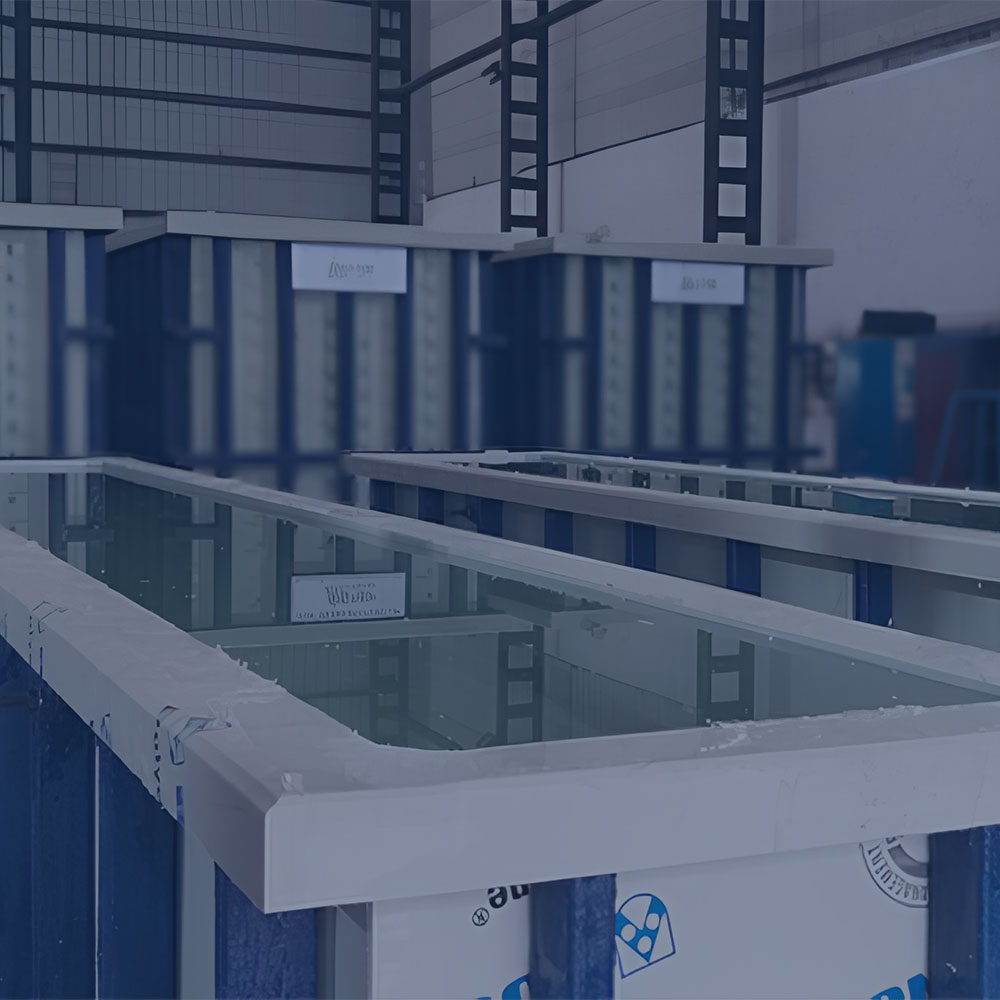
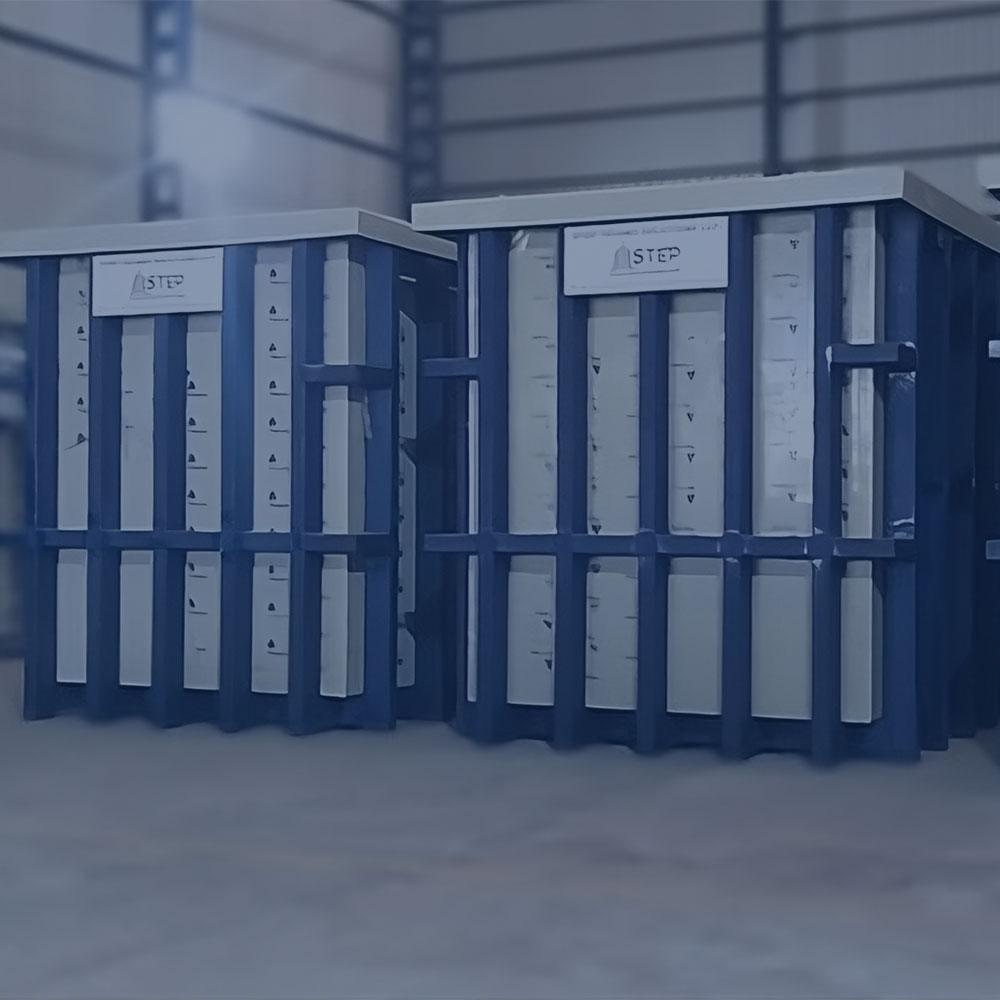
Because pickling involves strong acids or chemical solutions that attack rust, scale, and oxides, the tank must resist corrosion itself. High-quality pickling tanks are built using materials like polypropylene (PP), high-density polyethylene (HDPE), or stainless steel — materials that remain stable even under acidic conditions.
The use of corrosion-resistant material prevents tank degradation, leaks, contamination of the pickling bath, and frequent replacement — all of which contribute to safer, long-term operations.
Customizable Size & Capacity
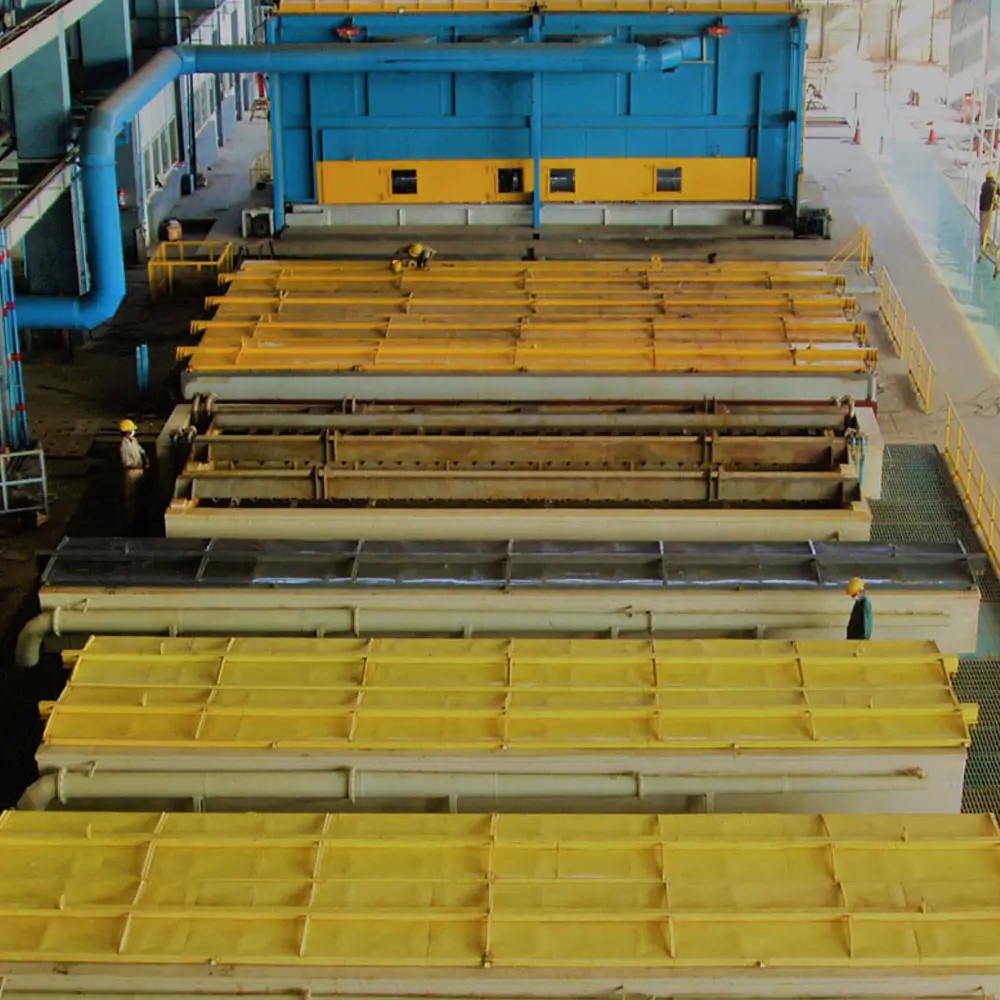
Industrial needs vary widely. Some factories handle short pipes, others long pipelines; some have low volume, others are mass production. A good Pipe Pickling Tank offers customizable dimensions, capacity, and configuration to suit the specific requirements of the operation — whether you process small-diameter pipes, long tubes, or heavy-duty industrial pipelines.
This flexibility means you don’t have to compromise by using a “one-size-fits-all” solution. A tailored tank ensures full immersion, correct chemical exposure, and efficient throughput, ultimately improving quality and consistency.
Effective Chemical Immersion & Surface Cleaning
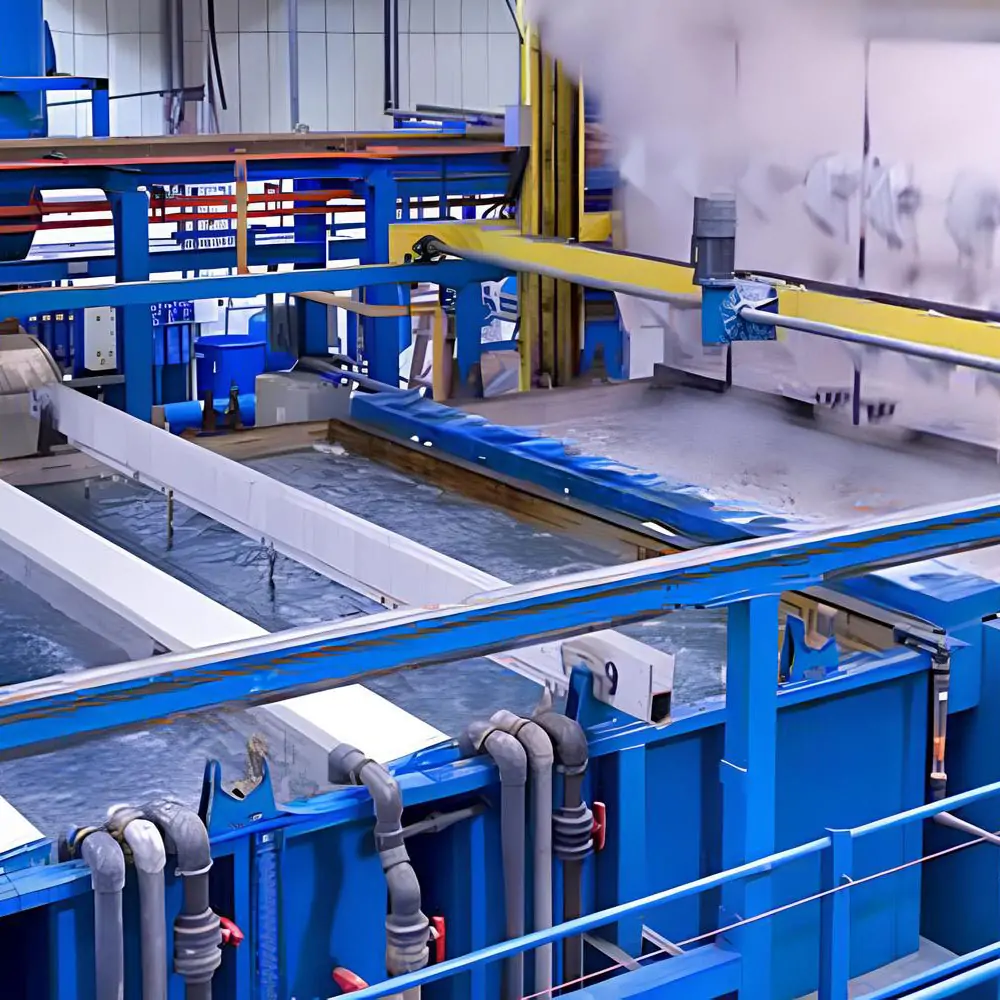
The core purpose of a pickling tank is to remove rust, scale, oxides — in essence, clean the metal surface thoroughly. High-quality tanks facilitate even chemical immersion, so every part of the pipe’s surface reacts properly with the pickling solution. This guarantees uniform cleaning, avoiding patches of residual scale or contaminants.
Post-pickling, the pipe surface becomes smooth, free from scale or rust, and ready for subsequent processes (coating, plating, painting, galvanizing), which significantly improves the final product’s quality and durability.
Durability & Long-Term Use
Because industrial pickling often involves aggressive chemicals and repeated cycles, the tank must withstand harsh conditions over long periods. Tanks built with acid-resistant materials and strong structural design remain functional even after many pickling cycles.
This reduces maintenance frequency and replacement cost, increasing cost-effectiveness for businesses in the long run.
Safety, Chemical Compatibility & Regulatory Compliance
Pickling involves handling acids and chemicals that can be hazardous. A quality pickling tank must be chemically compatible, leak-proof, and designed to handle the specific acids used safely — so there is no unintended reaction with the tank material, no leaks, and no contamination.
Additionally, good tanks may include features such as secure drainage, acid-resistant linings, and design considerations for safe loading/unloading of pipes.
Benefits of Using Pipe Pickling Tanks — For Quality, Durability & Performance
Here are the key advantages industries get when they use well-designed pipe pickling tanks before further processing:
- Improved Surface Quality: Rust, mill-scale, and oxide layers are eliminated, resulting in a smooth, clean surface that enhances coating/painting/galvanizing quality.
- Better Adhesion for Coatings and Treatments: Clean metal surfaces allow better bonding of coatings, paints or galvanizing layers, resulting in longer-lasting protection against corrosion and wear.
- Extended Pipe Life & Durability: By removing corrosion-prone scale and contaminants and providing a clean base for coatings, pickled pipes withstand harsher environments and last longer.
- Consistency and Reliability in Processing: Uniform surface treatment leads to predictable behavior in downstream processes — painting, welding, galvanizing — reducing defects, rework, or failures.
- Cost-Effectiveness Over Time: Reduced maintenance, fewer replacements, lower rejection rate, and longer life span of pipes — all translate to lower lifetime cost of components or structures.
Why Choose us
STEP® Techno Solutions LLP offers tanks that are built using corrosion-resistant materials like polypropylene (PP), HDPE, or stainless steel — designed to withstand acid immersion and harsh industrial conditions.
Our tanks are customizable in size, capacity, and configuration, allowing seamless adaptation to different pipe dimensions, production volumes, and industrial setups — whether for oil & gas pipelines, structural steel fabrication, or metal finishing applications.
Through precise design, robust construction, and careful chemical, thermal and structural considerations, STEP® Techno ensures high performance, durability, and long service life for pickling operations — delivering clean, high-quality treated pipes ready for coating, galvanizing or further processing.
Conclusion
A high-quality Pipe Pickling Tank is much more than a container — it is a critical component in metal processing that directly impacts the quality, durability, and reliability of pipes used in infrastructure, industrial fabrication, or manufacturing. Correct pickling removes rust, scale, and impurities, preparing pipe surfaces for coatings or galvanizing and significantly extending their usable life. Choosing a well-designed, corrosion-resistant, customizable pickling tank from a reputable manufacturer is an investment that pays off through better performance, fewer defects, lower maintenance, and long-term durability of metal components.
For more information about pipe pickling tanks contact us today. Call us at +91 98988 75757 or email info@steptsl.com.
FAQs
What types of pipes and materials can a pipe pickling tank treat?
A well-designed pickling tank can treat mild steel, carbon steel, stainless steel or metal pipes that require removal of rust, scale, oxides, welding scale or surface contaminants before coating, galvanizing, painting or further processing.
What materials are used to build industrial-grade pipe pickling tanks?
Common materials are corrosion-resistant thermoplastics or metals like Polypropylene (PP), High-Density Polyethylene (HDPE), or Stainless Steel — chosen for their ability to resist harsh acids and provide long-term durability even under repeated acid immersion and industrial conditions.
Can a pickling tank be customized according to pipe size and volume requirements?
Yes. Leading manufacturers like STEP® Techno provide customizable pipe pickling tanks, allowing clients to specify dimensions, capacity, and layout based on the size of pipes, volume of production, and specific industrial needs.
What are the advantages for pipes after pickling via a proper pickling tank?
After pickling, pipes have a clean, smooth, rust-free surface. This improves adhesion of coatings or galvanizing, enhances corrosion resistance, ensures better surface finish, maintains dimensional accuracy, and extends overall lifespan — leading to more reliable, durable end products.
Is using a generic tank risky compared to a professionally engineered pickling tank?
Yes — a generic or substandard tank may suffer from corrosion, leaks, uneven treatment, poor chemical resistance, shorter lifespan, safety hazards, or poor finished output. A properly engineered pickling tank (like those from STEP® Techno) avoids these risks by using suitable materials, correct design, structural strength, and compatibility with industrial pickling processes.