
Key Takeaways
- Industrial chillers are essential for maintaining stable process temperatures in manufacturing environments.
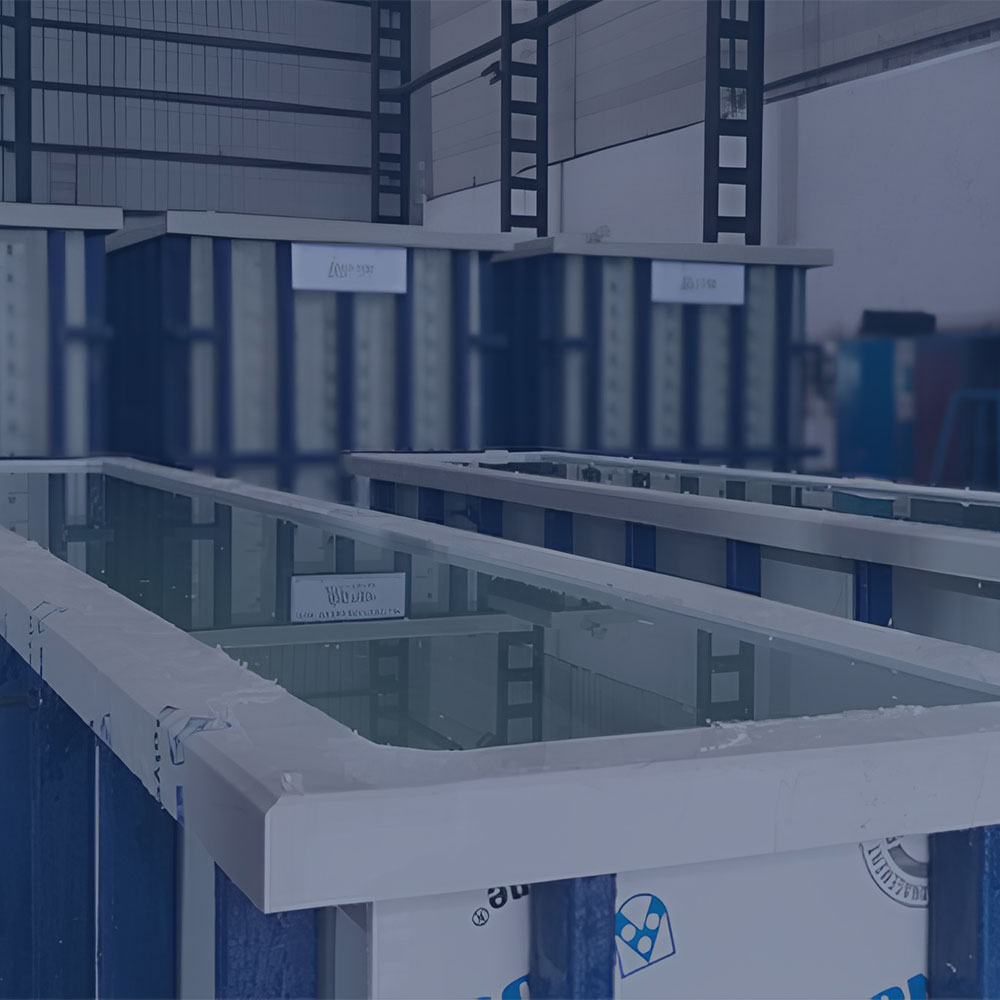
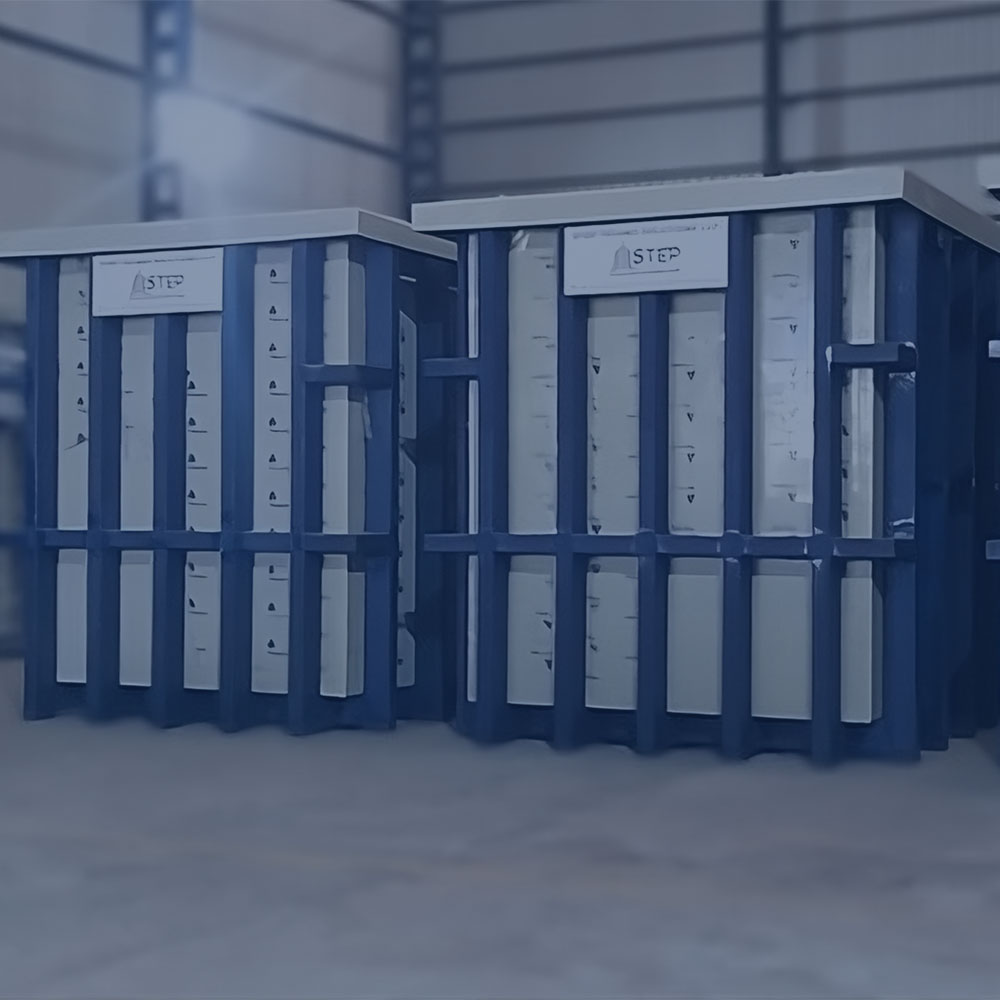
- Choosing the right Industrial Chiller tank Manufacturer in india ensures optimal cooling system performance.
- A properly sized buffer tank can significantly enhance cooling efficiency and stability in industrial applications.
- Understanding cooling capacity and water flow requirements is crucial when selecting chiller systems.
- Improved temperature control can reduce process interruptions and enhance product quality.
STEP Techno Solutions LLP is a leading manufacturer of industrial chillers designed for efficient cooling and temperature control in industrial applications. Unstable process temperatures can affect product quality, equipment performance, and production consistency.
Businesses searching for an Industrial Chiller tank Manufacturer in india should understand how cooling systems and correctly sized water storage tanks work together to maintain suitable operating temperatures.
How Do Industrial Chillers and Cooling Tanks Work Together?
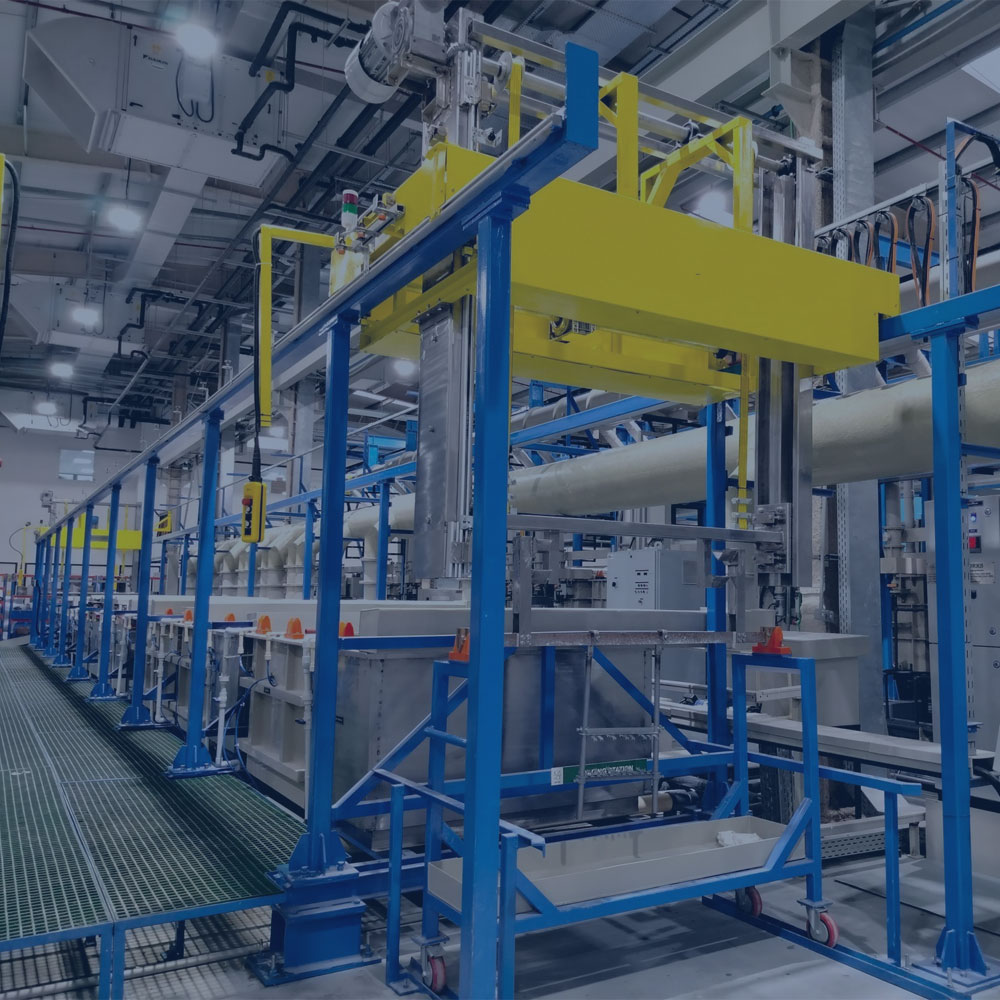
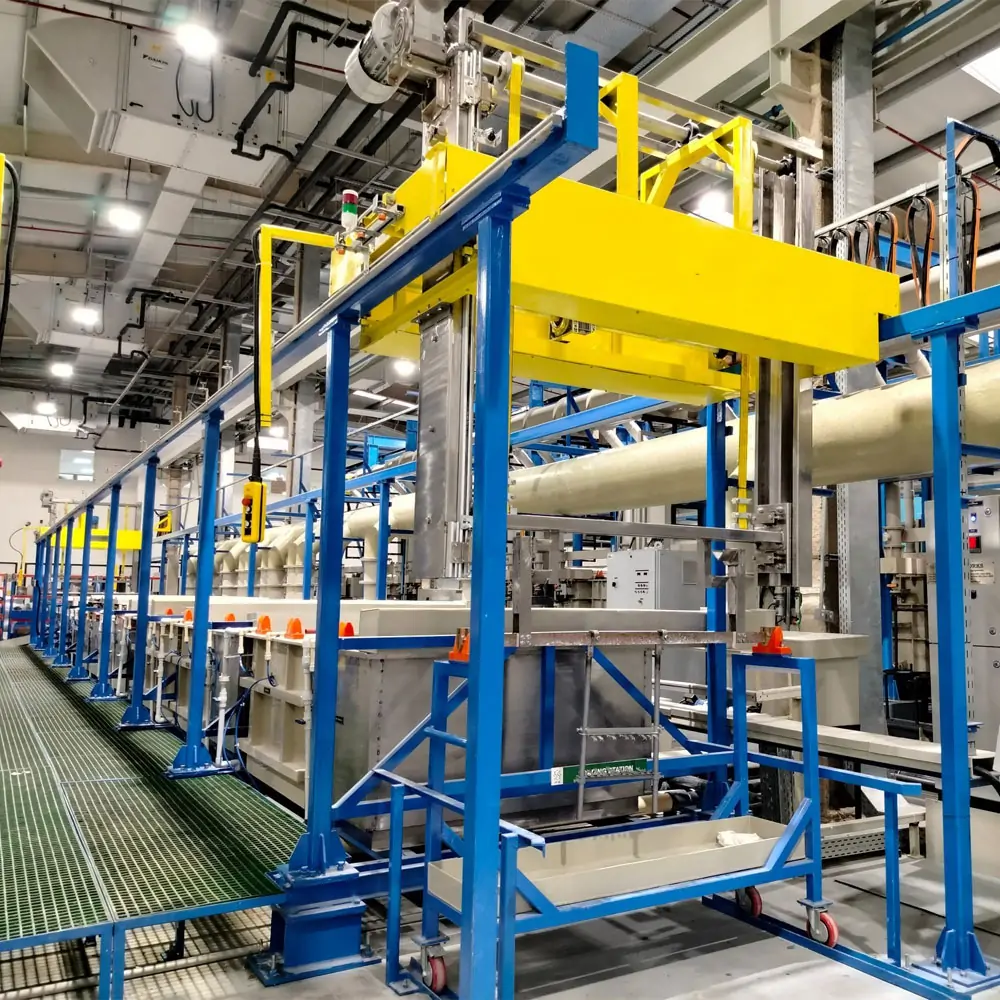
Our industrial chillers remove heat from a process using a refrigeration cycle. Refrigerant absorbs heat through a heat exchanger, allowing the circulating process fluid to cool.
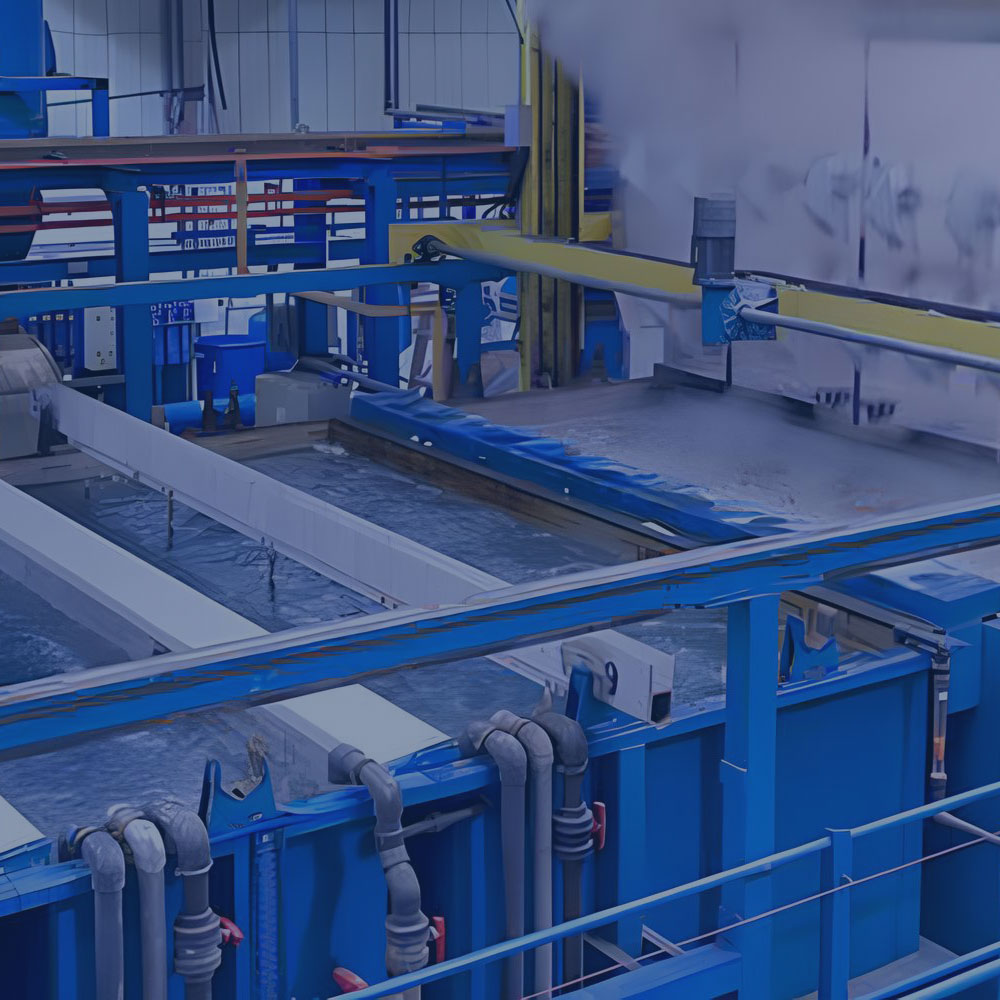
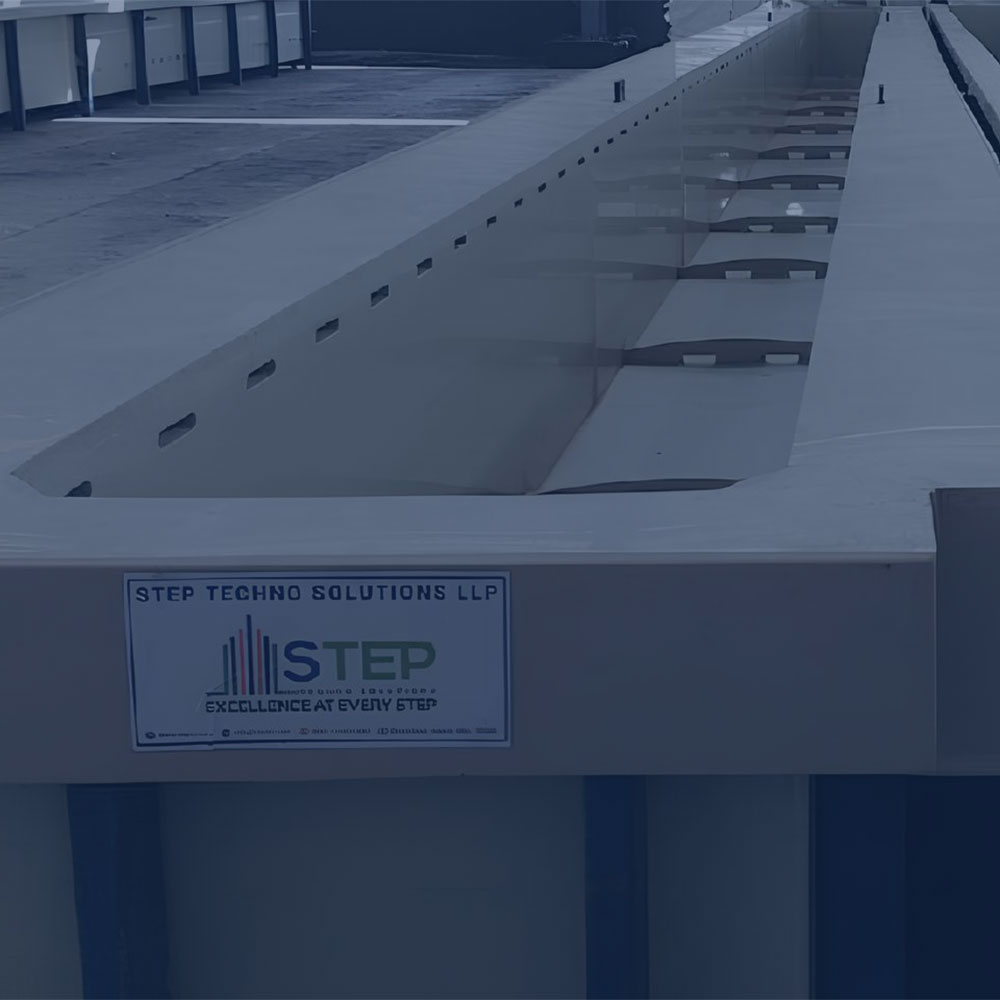
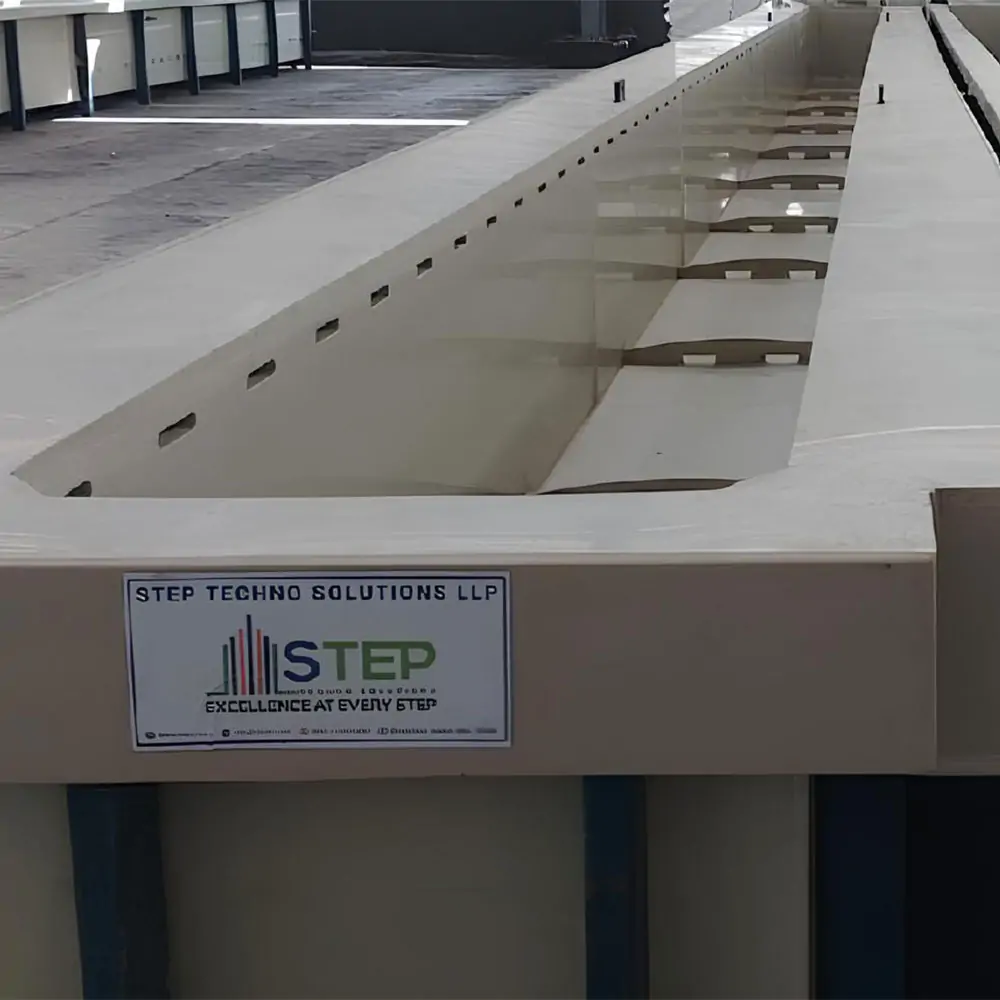
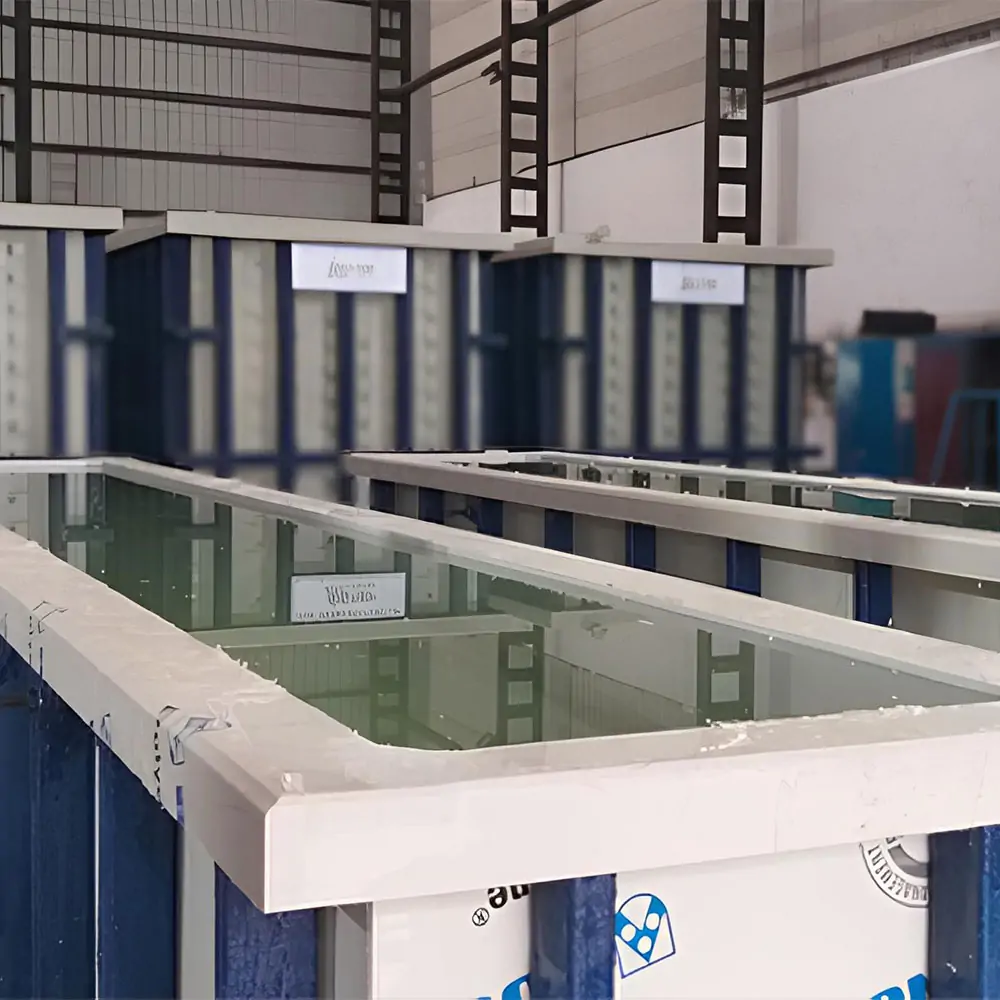
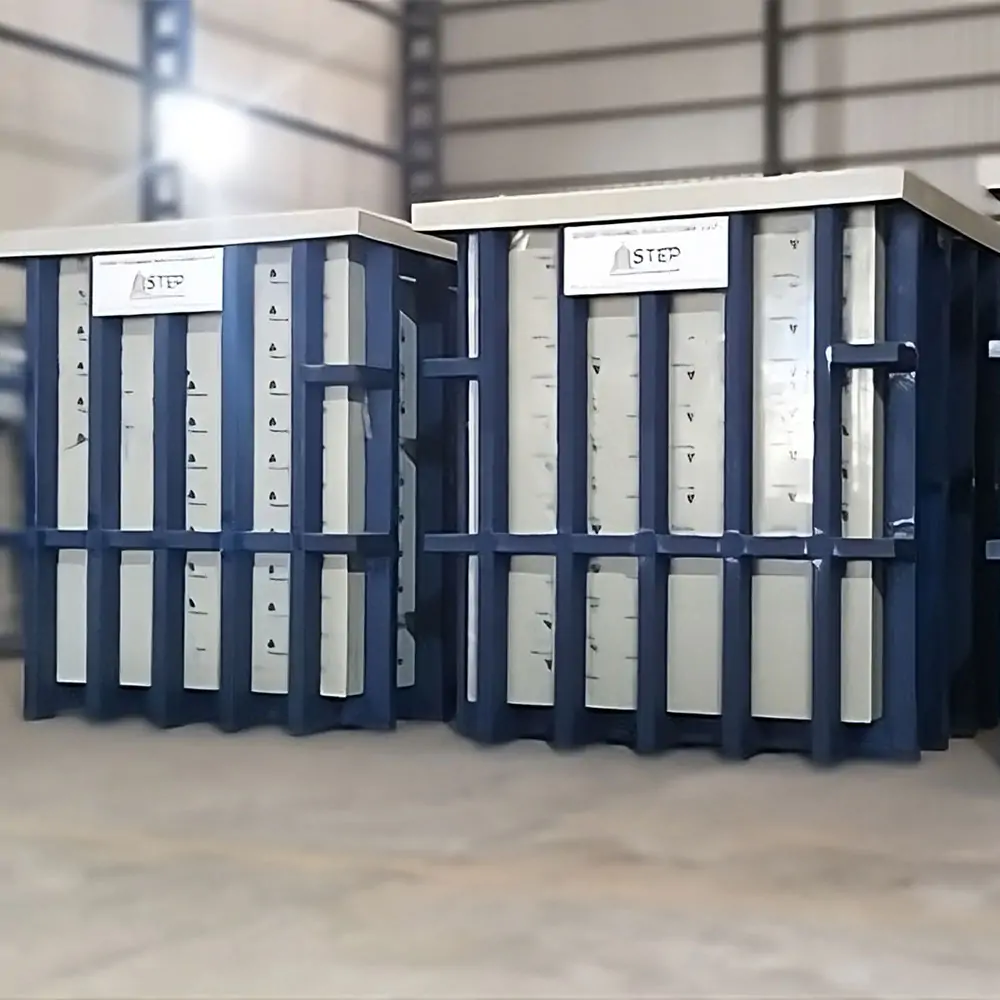
In systems equipped with a water storage or buffer tank, the tank holds chilled water before it circulates through the equipment.
A typical cooling arrangement works as follows:
- Heat Removal: The chiller extracts heat from the circulating process water.
- Chilled Water Storage: A connected buffer tank stores cooled water where the system design requires it.
- Water Circulation: Pumps deliver chilled water to the process equipment.
- Return Flow: Warm water returns to the cooling system for further heat removal.
A correctly sized buffer tank can reduce temperature fluctuations and help maintain stable cooling demand.
Not every industrial chiller requires a separate tank. The need depends on the system design and operating conditions.
How Do Chiller Tanks Improve Cooling Efficiency?
Cooling efficiency depends on the complete system, including chiller capacity, water flow, insulation, and temperature settings.
Our industrial chillers are designed for effective heat absorption and removal.
When properly integrated, a buffer tank can provide the following benefits:
- Stable Water Temperature: Helps reduce rapid temperature changes during fluctuating process demand.
- Reduced Compressor Cycling: Suitable buffer volume may limit frequent compressor starts and stops.
- Consistent Process Cooling: Supports steady chilled water supply during short changes in cooling load.
- Better Equipment Operation: Helps processes operate within their required temperature range.
- Improved Cooling Management: Provides additional water volume where operational conditions require it.
These advantages depend on correct tank sizing and appropriate chiller control settings.
Why Does Temperature Control Matter in Industrial Processes?
Many manufacturing operations require controlled temperatures to maintain product consistency. Excessive heat can affect equipment operation and temperature-sensitive production processes. Our industrial chillers are suitable for applications involving process cooling, HVAC, food processing, and medical-related cooling requirements, subject to system specifications. At STEP Techno Solutions LLP, we focus on industrial cooling solutions designed to remove unwanted heat and support dependable temperature control. Stable cooling conditions can help manufacturers reduce process interruptions caused by temperature fluctuations.
What Should Buyers Check Before Selecting a Chiller System?
When evaluating an Industrial Chiller tank Manufacturer in india, buyers should assess the actual cooling requirement rather than selecting equipment by tank size alone.
Important factors include:
- Cooling Capacity: Match chiller capacity to the calculated process heat load.
- Temperature Range: Confirm the required supply and return water temperatures.
- Tank Capacity: Determine whether the process needs a buffer tank and the appropriate storage volume.
- Water Flow: Check circulation rates and pressure requirements.
- Installation Space: Consider access for operation, ventilation, and maintenance.
- Process Compatibility: Confirm that construction materials and cooling fluids suit the application.
Our engineering approach considers the cooling process and required operating conditions when discussing equipment selection.
Where Are Industrial Chillers Commonly Used?
Industrial chillers support temperature management across different manufacturing and commercial environments.
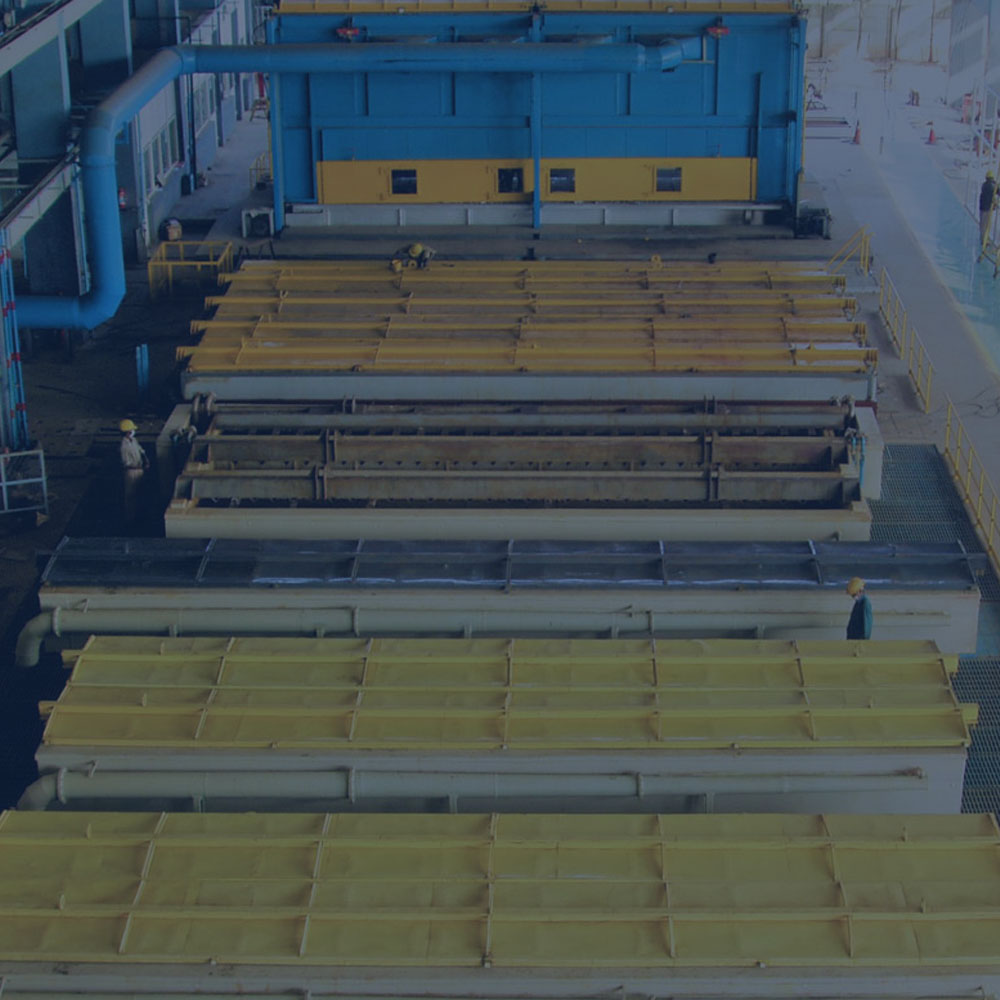
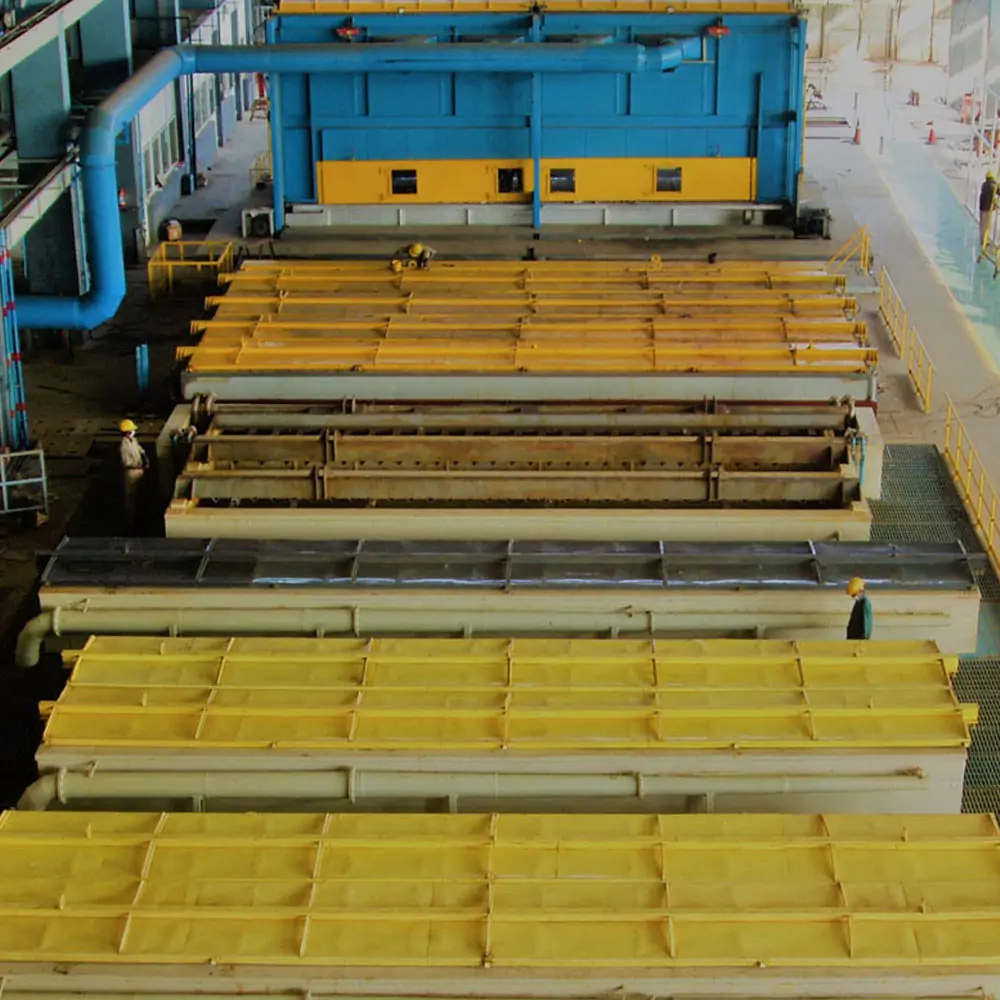
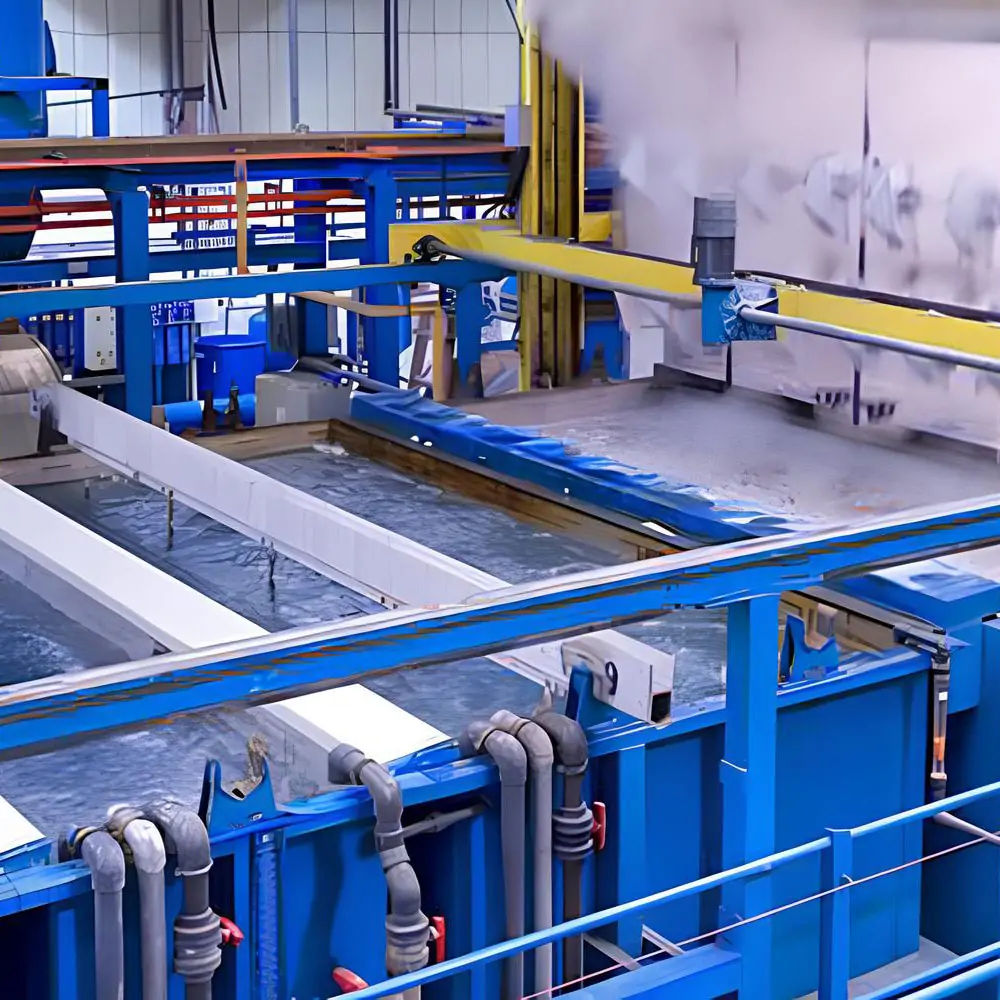
Our cooling solutions are relevant to process cooling applications where equipment generates heat during operation.
They can also support HVAC systems, food processing facilities, and other operations requiring controlled cooling.
The selection of a buffer tank depends on the application’s cooling load, operating cycle, and temperature stability requirements.
Why Choose Us?
At STEP Techno Solutions LLP, we provide industrial chiller solutions for businesses requiring reliable process cooling and controlled operating temperatures. Our equipment is designed around efficient heat removal, practical operation, and industrial application requirements. We understand that cooling demand differs across manufacturing facilities, so our team considers process conditions before discussing suitable equipment. We focus on helping buyers identify cooling solutions that match their technical requirements without unnecessary system complexity.
Conclusion
Industrial chillers help manufacturing facilities manage heat and maintain suitable process temperatures. Where required, a properly sized buffer tank can improve temperature stability and reduce frequent changes in cooling demand.
However, cooling performance depends on correct equipment selection, circulation design, and operating settings.
For businesses searching for an Industrial Chiller tank Manufacturer in india, evaluating chiller performance and tank requirements together is more useful than considering individual components separately.
Our industrial cooling solutions are developed to support effective heat removal and dependable process operation across suitable applications.
Need an industrial chiller for your manufacturing process?
Contact STEP Techno Solutions LLP to discuss your cooling requirements and suitable equipment options.
Call: +91 98988 75757
Email: info@steptsl.com
Speak with our team today and request a quotation for your industrial cooling application.
Frequently Asked Questions
What is the role of an Industrial Chiller tank in cooling efficiency?
An Industrial Chiller tank plays a crucial role in cooling efficiency by storing chilled water, which helps maintain stable temperatures during process fluctuations. It allows for better heat absorption and limits rapid temperature changes, ensuring consistent cooling performance.
How do I choose the right Industrial Chiller tank Manufacturer in India?
When selecting an Industrial Chiller tank Manufacturer in India, assess factors such as cooling capacity, required temperature range, tank capacity, and process compatibility. It’s essential to match the chiller’s specifications to your operational needs to achieve optimal performance.
Why is temperature control important in industrial processes?
Temperature control is vital in industrial processes because it affects product quality and equipment performance. Unstable temperatures can lead to process interruptions and inconsistencies, making reliable cooling solutions necessary for manufacturing operations.
What factors should be considered when choosing a chiller system?
Key factors include assessing the actual cooling requirements, ensuring the chiller capacity matches the heat load, determining the need for a buffer tank, and evaluating installation space and process compatibility. These considerations help ensure effective temperature management.
Where are industrial chillers typically used?
Industrial chillers are commonly used across various sectors, including manufacturing, HVAC systems, and food processing facilities. They are essential for operations where heat generation occurs, requiring effective temperature management to maintain stable process conditions.