Key Takeaways
- A pickling tank effectively removes rust and scale from metal surfaces, enhancing strength and durability.
- Understanding how pickling tanks operate helps industries achieve high-quality metal treatment results.
- STEP Techno Solutions LLP is a trusted pickling tank manufacturer in India with over 25 years of expertise.
- Optimal acid concentration and temperature are crucial for achieving consistent cleaning with pickling tanks.
- Pickling tanks are essential for various industries, including automotive, construction, and metal fabrication.
Metal surfaces are constantly exposed to environmental conditions, moisture, chemicals, and industrial processes that can lead to rust, scale formation, oxidation, and contamination. These unwanted deposits not only affect the appearance of metal but also reduce its strength, durability, and performance. To address these challenges, industries rely on a highly effective metal treatment solution known as a pickling tank.
A pickling tank plays a crucial role in preparing metal surfaces by removing rust, mill scale, oxides, and other impurities before further processing. Whether metals are used in manufacturing, fabrication, construction, automotive production, or engineering applications, proper surface treatment is essential for achieving long-lasting performance and product quality.
What Is a Pickling Tank?
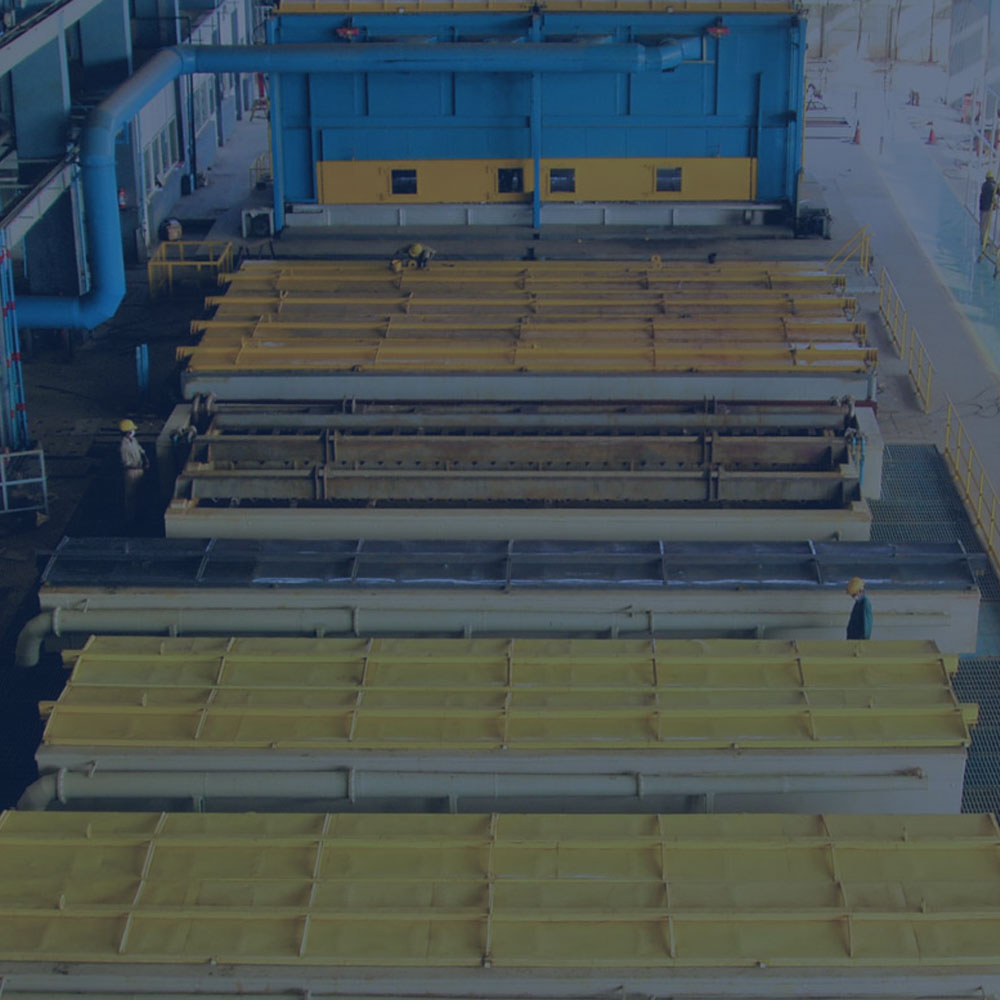
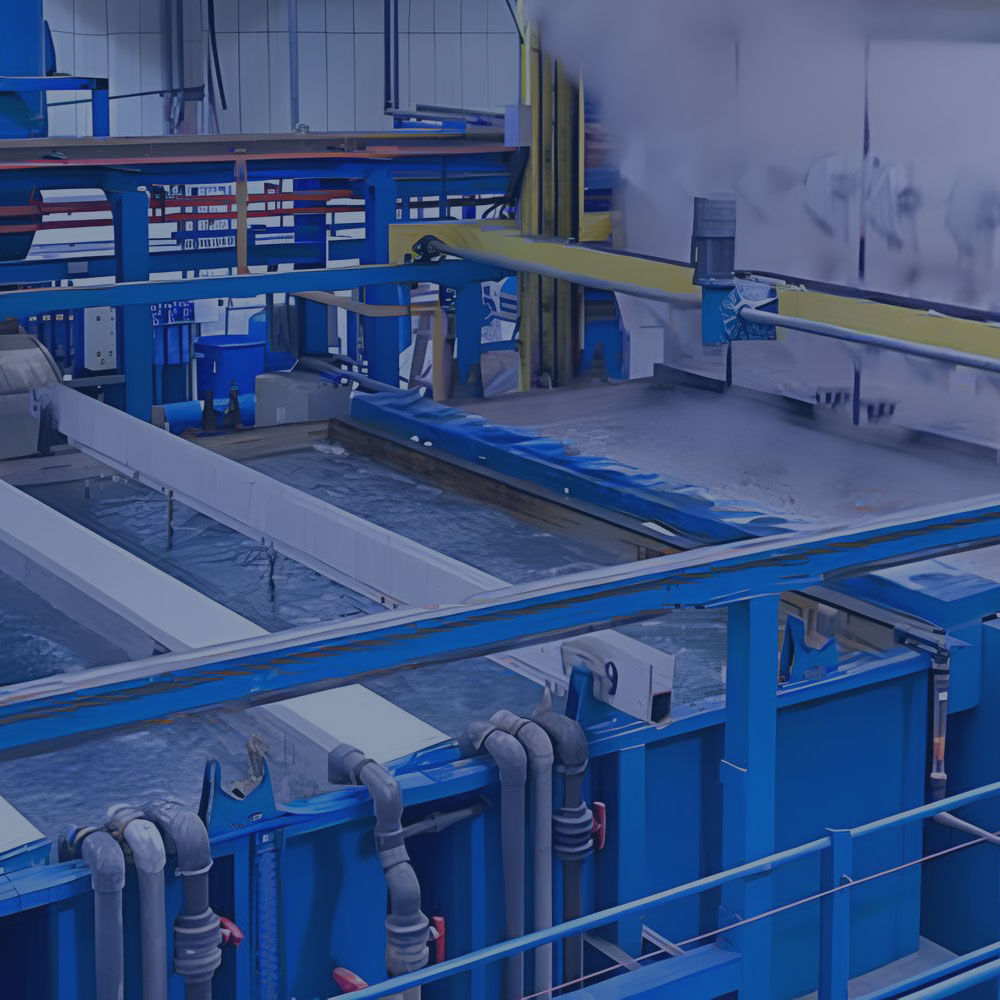
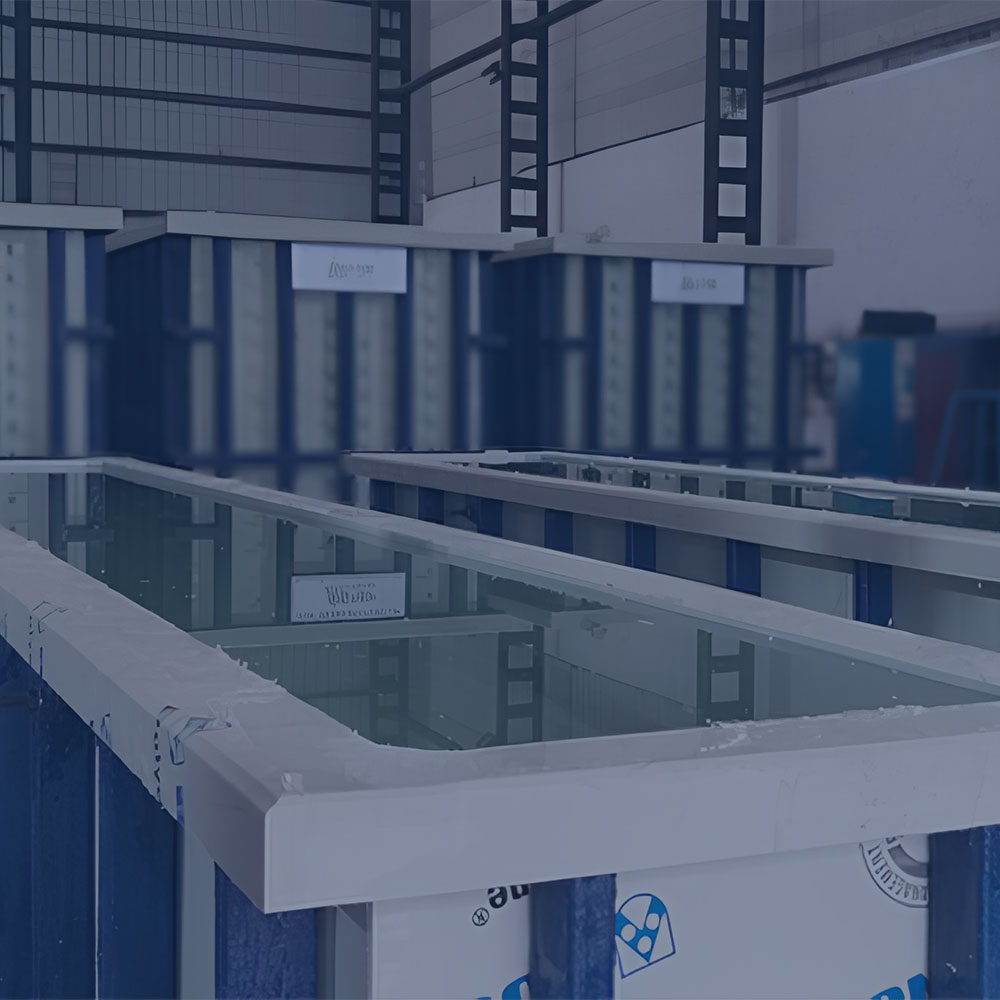
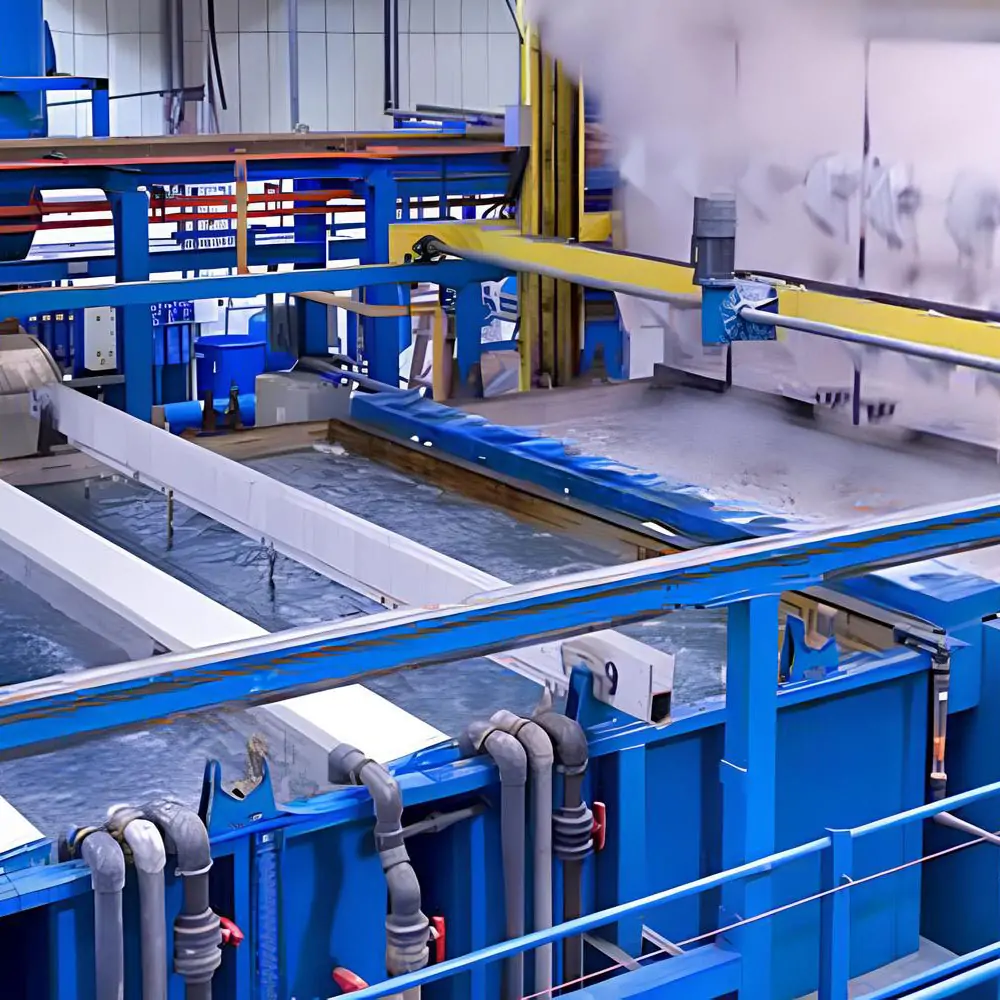
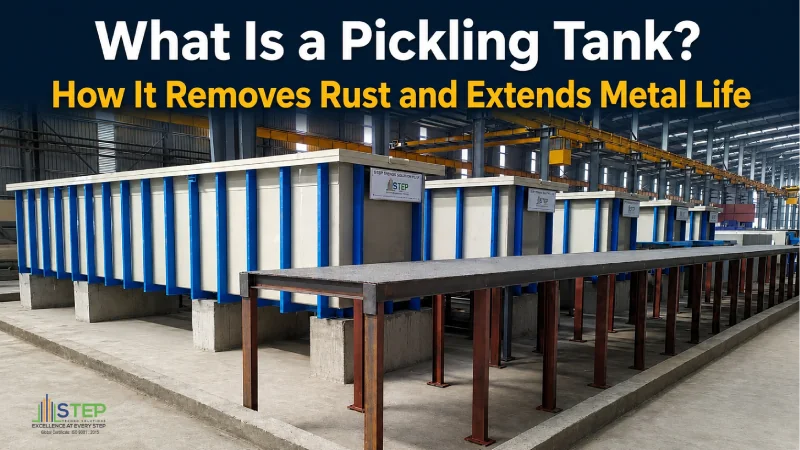
A pickling tank is a large industrial container specifically engineered to hold acid solutions — most commonly hydrochloric acid (HCl), sulfuric acid (H₂SO₄), or phosphoric acid — into which metal components are immersed for chemical surface cleaning. The acid reacts with iron oxides, rust, mill scale, and other surface contaminants on the metal, dissolving them and leaving behind a clean, reactive metallic surface ready for further treatment.
The term “pickling” in metallurgy has nothing to do with the culinary process — it refers to the chemical removal of surface impurities from metals. The pickling tank is the vessel within which this chemical reaction is precisely controlled and executed. It is the foundational piece of equipment in any Pickling Tank for Industrial Cleaning setup, and its design, material quality, and dimensional accuracy directly determine the quality of the surface treatment outcome.
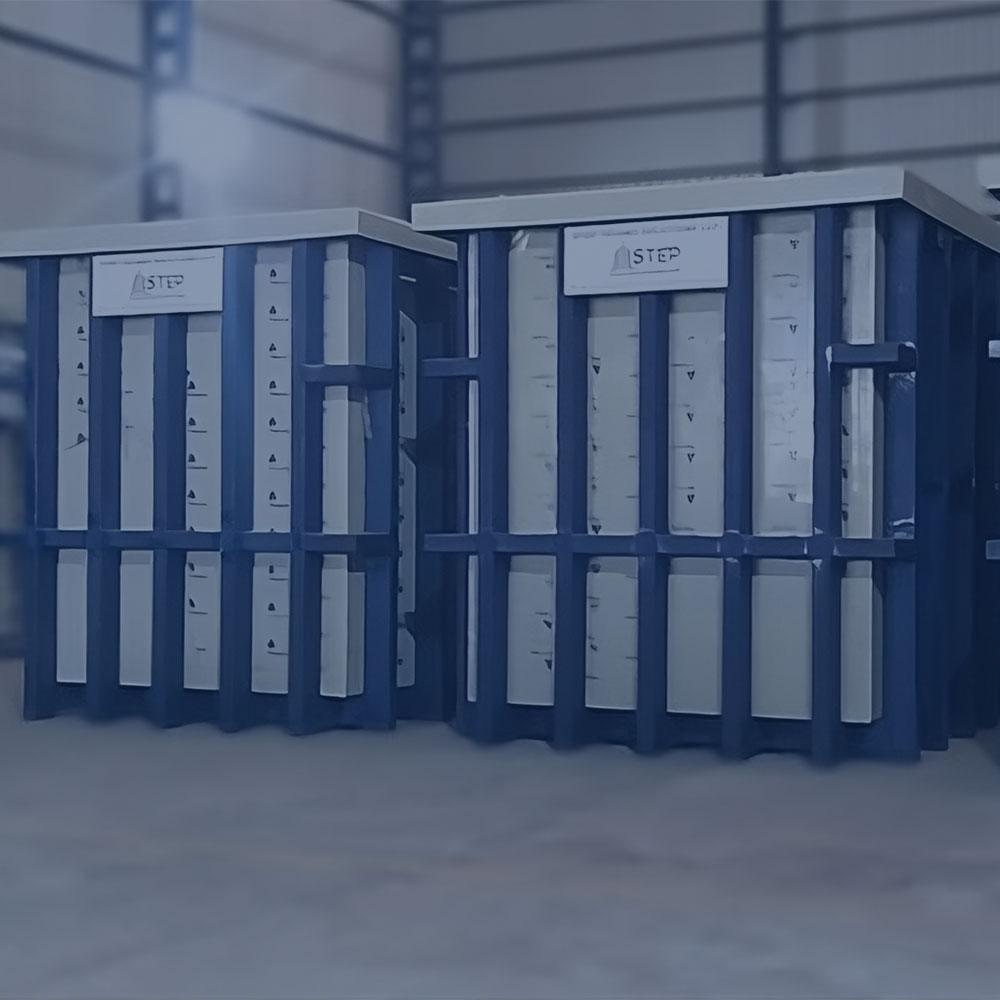
A Pickling Tank for Industrial Cleaning must withstand constant exposure to highly corrosive acid solutions without degrading, leaking, or contaminating the bath chemistry. This requires careful selection of construction materials, structural reinforcement methods, and design features that maintain tank integrity under continuous industrial use. STEP Techno Solutions LLP builds its pickling tanks using corrosion-resistant materials such as polypropylene (PP), high-density polyethylene (HDPE), and stainless steel — each selected for its specific performance characteristics in acid environments.
How Does a Pickling Tank Remove Rust and Scale?
The rust and scale removal process that takes place inside a pickling tank is fundamentally a controlled chemical reaction. Understanding this process helps manufacturers appreciate why proper tank design and acid management are so critical to achieving consistent, high-quality results.
Chemistry Behind Pickling
When a metal component is immersed in the acid bath inside the pickling tank, the acid reacts with the iron oxides (rust) and mill scale on the metal surface. Hydrochloric acid, for example, reacts with iron oxide to produce iron chloride and water, effectively dissolving the scale layer and exposing the clean metal beneath. Sulfuric acid works similarly but is typically used at higher temperatures to achieve the desired reaction rate.
The Role of Acid Concentration
The concentration of the acid solution is one of the most critical variables in the pickling process. Too low a concentration results in slow, incomplete scale removal. Too high a concentration can cause over-pickling — where the acid attacks the base metal itself, leading to surface pitting and hydrogen embrittlement. A professionally designed Pickling Tank for Industrial Cleaning includes provisions for monitoring and managing acid concentration throughout the production cycle.
Temperature Control
Elevated temperatures accelerate the pickling reaction significantly. Most industrial pickling operations are conducted at temperatures between 40°C and 90°C, depending on the acid type and metal grade. STEP Techno Solutions LLP’s pickling tanks are designed with integrated heating systems — either electric immersion heaters or steam heating coils — that maintain precise temperature control throughout the process.
Agitation for Uniform Treatment
Acid agitation systems within the tank — either mechanical stirrers or air agitation — keep the acid solution in constant gentle motion, preventing localized concentration depletion and promoting uniform contact between the acid and all surfaces of the immersed metal. This is particularly important for components with complex geometries or recessed areas that could trap stagnant acid or retain scale.
Immersion Time Management
Each metal type, surface condition, and acid formulation has an optimal immersion time range. Exceeding this time causes over-pickling; falling short leaves residual scale. PLC-based automation systems integrated into STEP Techno Solutions LLP’s advanced pickling tank configurations allow precise control and repeatability of immersion time across production batches.
Construction and Materials: What Makes a Pickling Tank Last
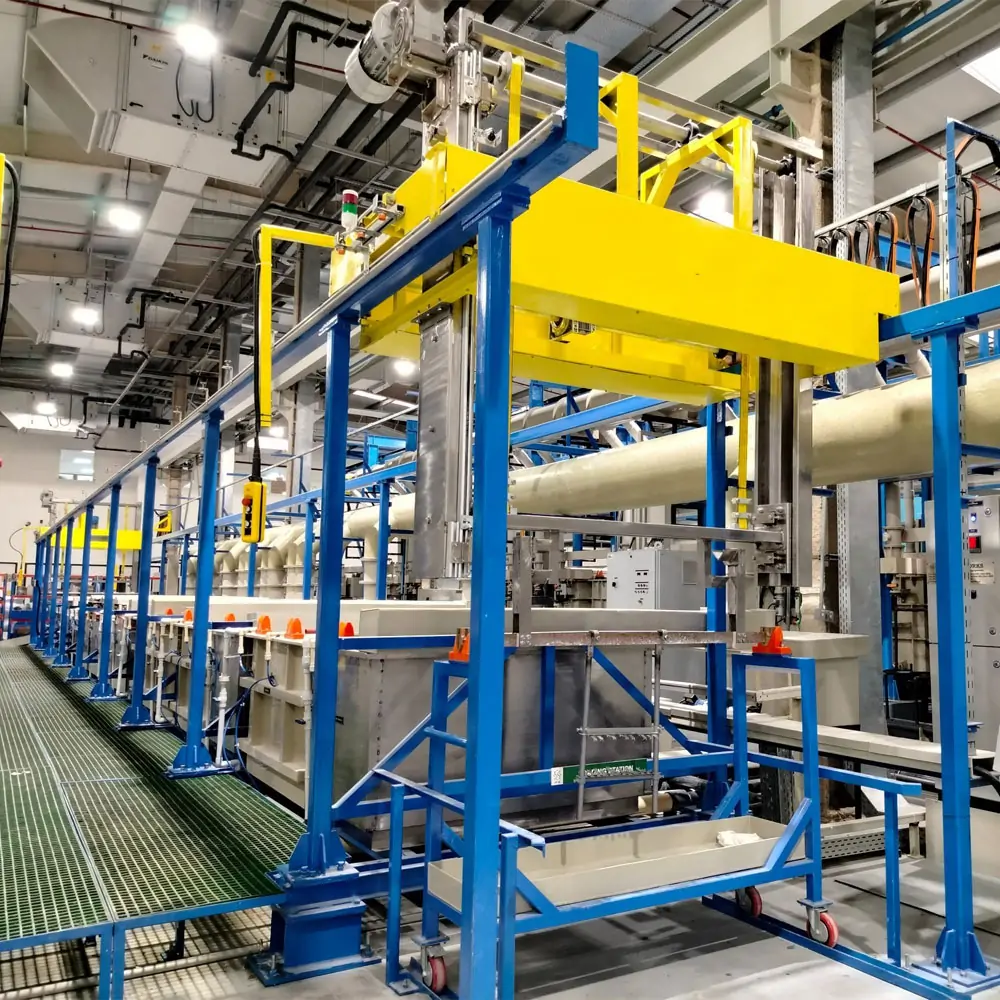
The durability and reliability of a pickling tank depend entirely on the quality of its construction. At STEP Techno Solutions LLP, every pickling tank is built to withstand decades of continuous exposure to corrosive acid environments. Here is a detailed look at the construction characteristics that set these tanks apart:
Polypropylene (PP)
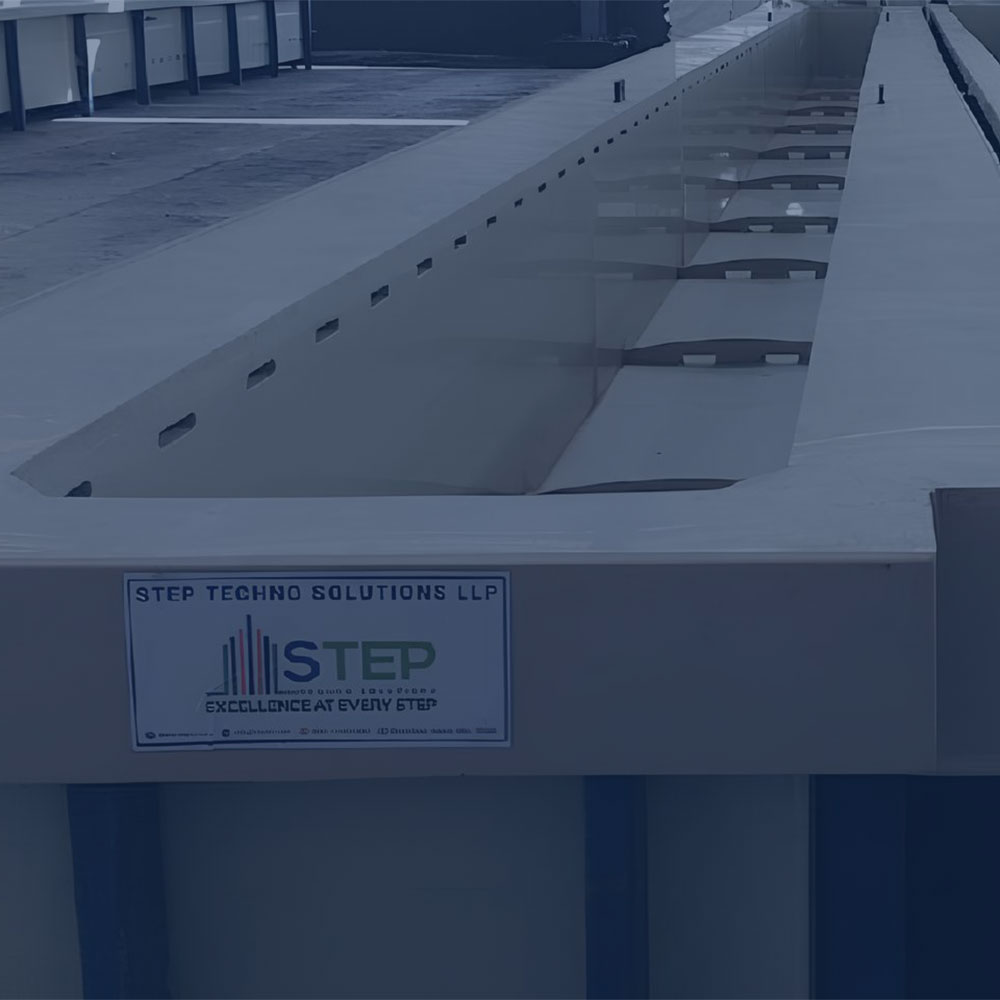
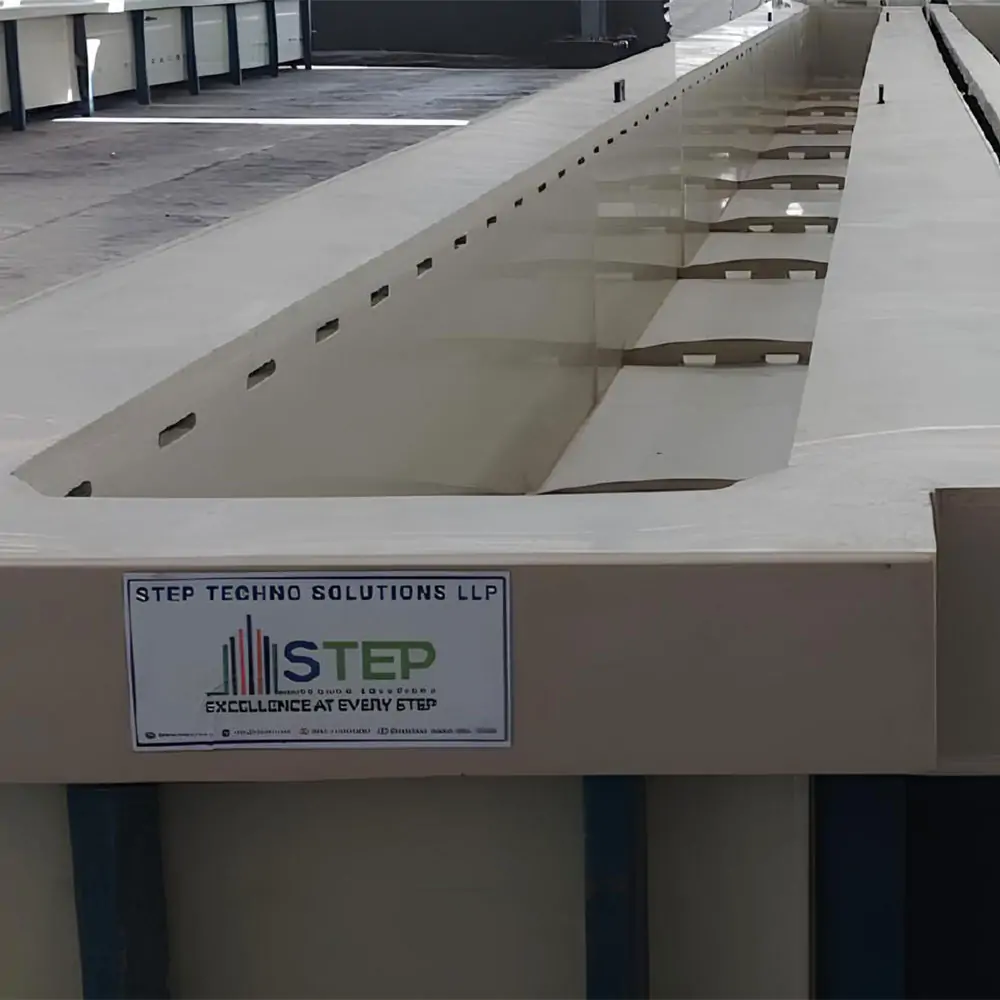
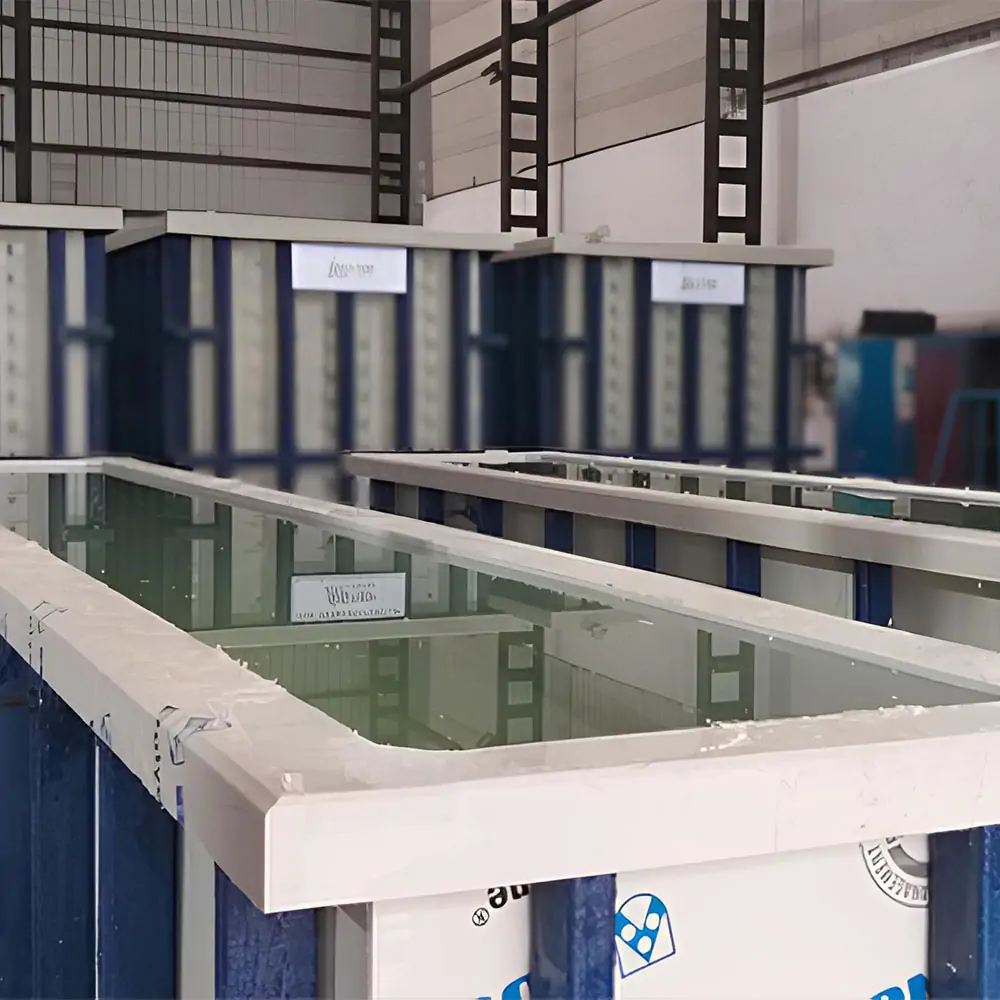
Because of its superior chemical resistance to sulphuric and hydrochloric acid over a broad temperature range, PP is one of the most used materials for pickling tank construction. PP tanks offer a smooth inner surface that prevents acid residue buildup and is easy to clean and inspect. STEP Techno Solutions LLP uses premium-grade PP for tank body construction, joined using advanced welding techniques that produce seamless, leak-proof joints.
High-Density Polyethylene (HDPE)
HDPE offers superior impact resistance alongside excellent chemical resistance, making it an ideal choice for pickling tanks in facilities where mechanical impacts during loading and unloading are a concern. HDPE tanks from STEP Techno Solutions LLP are available for both HCl and H₂SO₄ pickling applications.
Stainless Steel
For specific applications where structural strength and temperature resistance are paramount — particularly in high-temperature sulfuric acid pickling — stainless steel tanks offer robust construction with excellent thermal conductivity. STEP Techno Solutions LLP manufactures stainless steel pickling tanks with appropriate acid-resistant linings where required.
Mild Steel Reinforcement
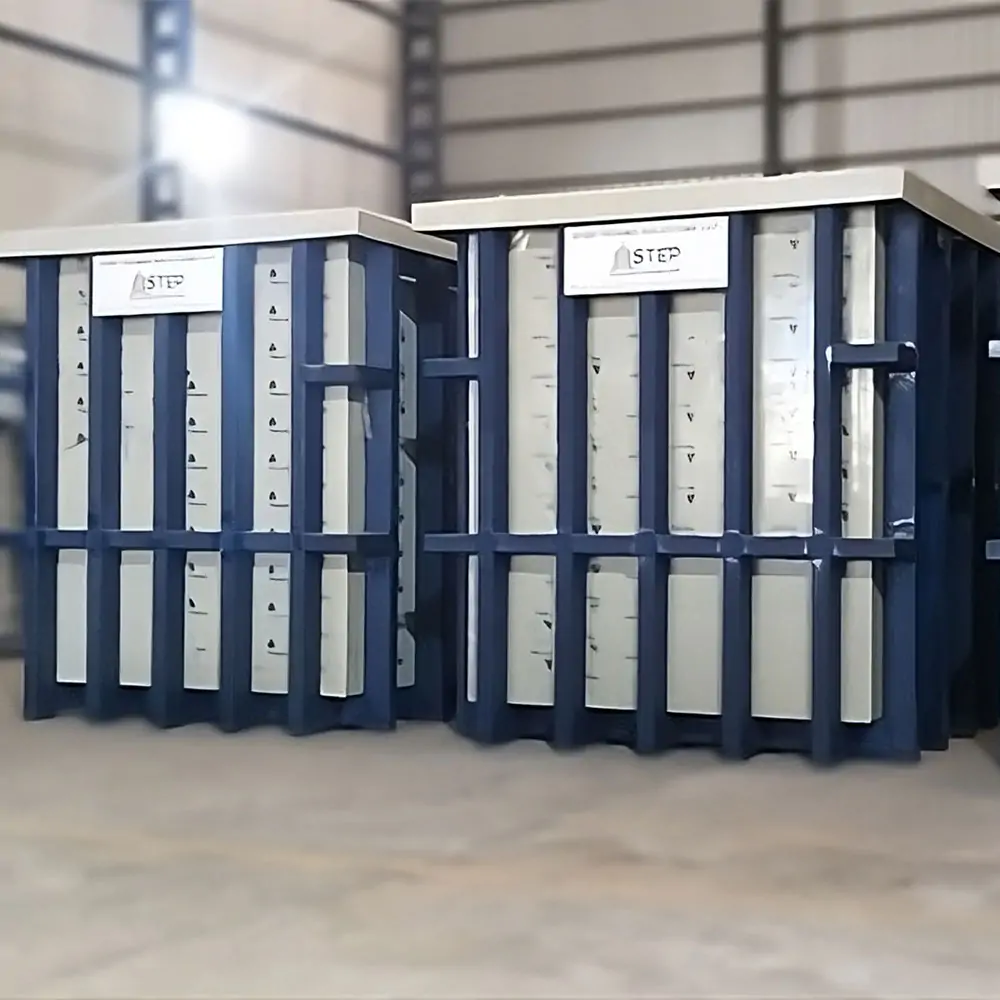
Regardless of the primary tank material, STEP Techno Solutions LLP integrates mild steel structural reinforcement around the tank body to provide mechanical support and load-bearing capacity. The reinforcement framework is coated with a chemical-resistant protective layer to prevent corrosion degradation over time.
Leak-Proof Sealing
Every joint, weld, and fitting in a pickling tank must be completely leak-proof. Acid leaks are not just a product quality issue — they are a serious safety and environmental hazard. STEP Techno Solutions LLP uses advanced fusion welding technology for PP and HDPE tanks, producing joints that are as strong as the parent material and completely resistant to acid permeation.
Key Features of STEP Techno Solutions LLP’s Pickling Tanks
STEP Techno Solutions LLP designs its pickling tanks with a comprehensive set of features that address every aspect of the industrial pickling process:
PLC-Based Automation
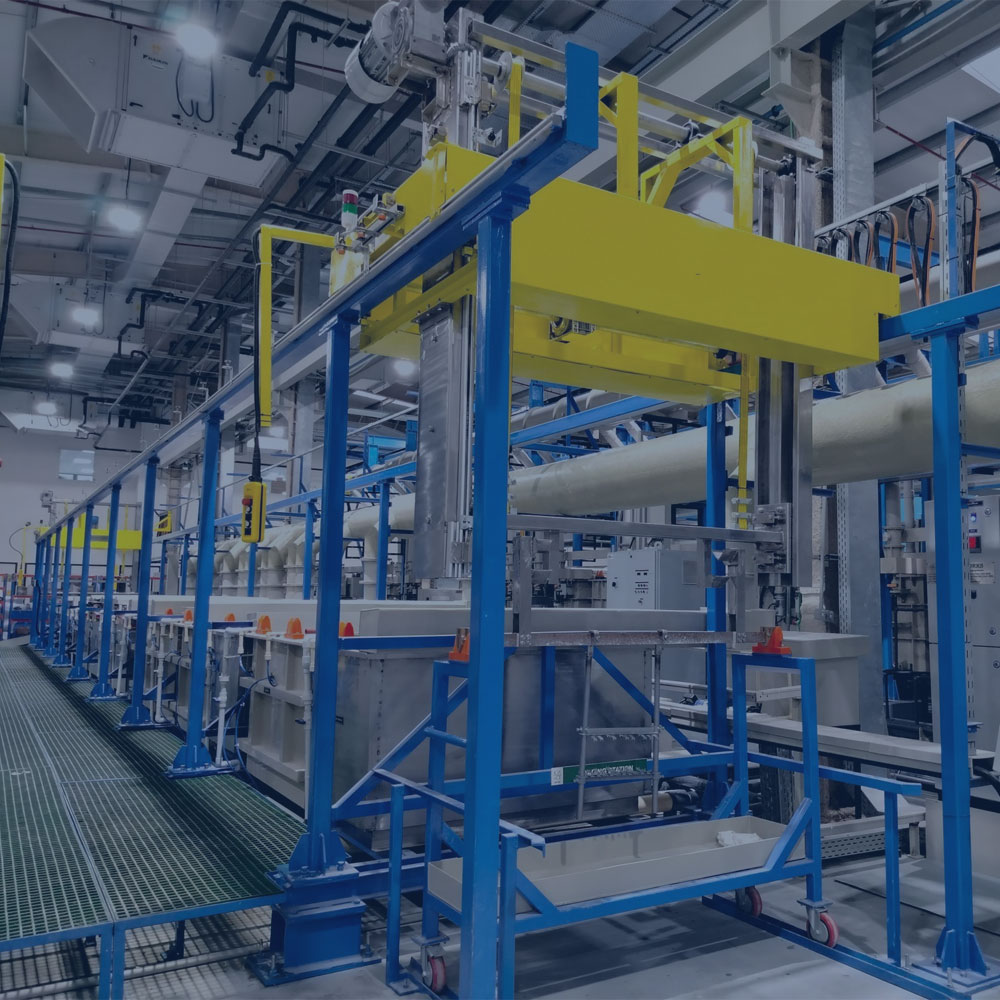
Modern pickling operations demand precision and repeatability. STEP Techno Solutions LLP offers PLC-integrated pickling tank systems that automate temperature control, acid concentration monitoring, immersion timing, and process alarming — reducing operator error and improving consistency across production shifts.
Integrated Agitation Systems
Mechanical and air agitation options are available to promote uniform acid circulation within the tank, improving cleaning consistency and reducing pickling cycle times.
Heating Systems
Electric immersion heaters and steam heating coils are both available as integrated heating options, allowing the tank to maintain precise operating temperatures matched to the pickling chemistry in use.
Acid Fume Extraction Provisions
Acid pickling generates corrosive vapors that must be managed for worker safety and environmental compliance. STEP Techno Solutions LLP designs pickling tanks with integrated provisions for connecting fume extraction systems, keeping the workspace safe and meeting regulatory requirements.
Customizable Dimensions and Capacity
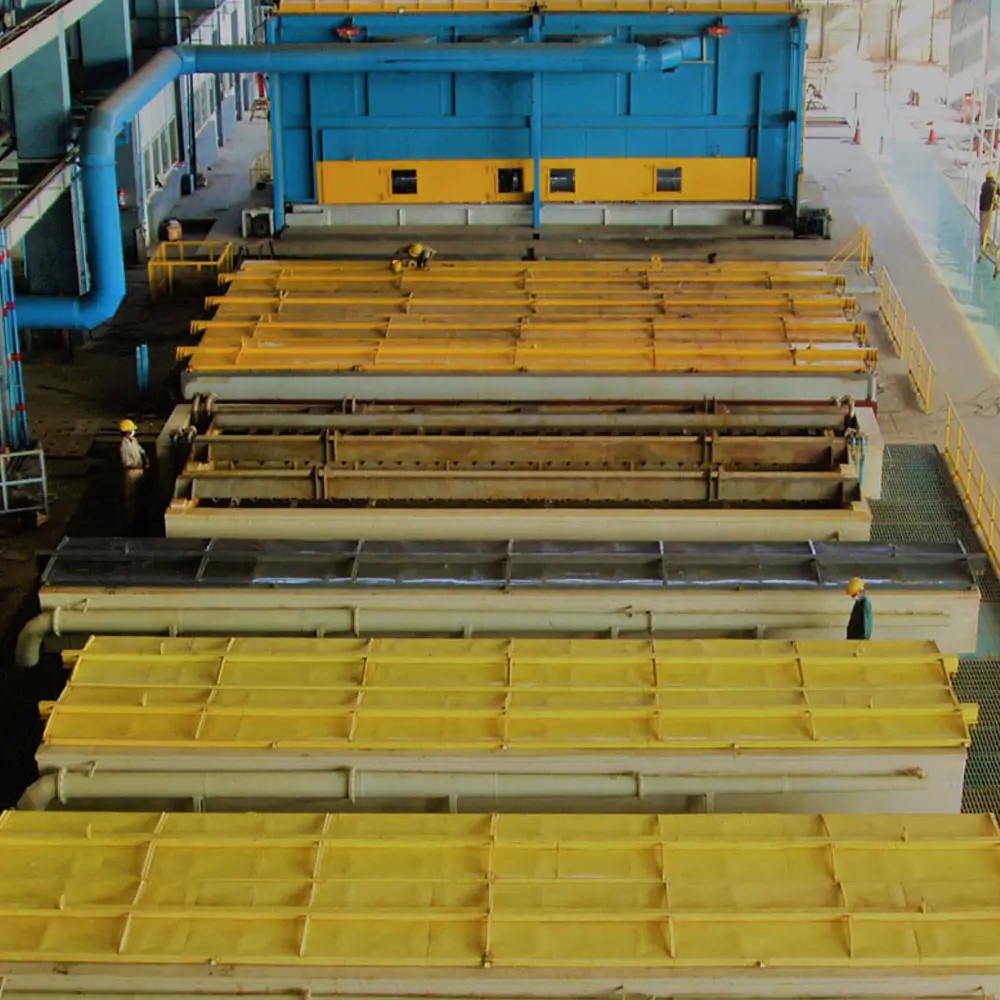
From compact tanks for small fabrication workshops to large-capacity tanks for high-volume pipe mills or structural steel processors, STEP Techno Solutions LLP manufactures pickling tanks across the full range of industrial sizes and configurations.
Safety Features
Emergency shut-off controls, leak detection provisions, and acid-resistant drain systems are standard safety features built into STEP Techno Solutions LLP’s pickling tank designs, prioritizing worker protection and environmental safety at every level.
Industries That Depend on Pickling Tanks
The applications of the Pickling Tank for Industrial Cleaning span virtually every sector that works with ferrous and non-ferrous metals. Here is how different industries benefit:
Steel and Metal Fabrication
Before galvanizing, powder painting, or electroplating hot-rolled steel, pickling tanks are used by steel fabricators to remove mill scale. Clean, scale-free steel accepts coatings far more reliably than untreated surfaces, resulting in products with superior corrosion protection and longer service life.
Pipe and Tube Manufacturing
Pipe manufacturers use pickling tanks — including specialized pipe and tube variants — to clean both internal and external pipe surfaces before coating or galvanizing. STEP Techno Solutions LLP, as a premier Pickling Tank Manufacturer in India, offers dedicated pipe and tube pickling tank configurations for this specific application.
Automotive Components
Chassis parts, fasteners, springs, stampings, and other steel components used in vehicle manufacturing are pickled before phosphating, electroplating, or powder coating. The surface quality of the pickled component directly influences the adhesion and durability of the final finish.
Galvanizing Plants
Hot-dip galvanizing requires a perfectly clean, oxide-free steel surface for effective zinc bonding. Pickling is the critical pre-treatment step that makes galvanizing work. STEP Techno Solutions LLP supplies pickling tanks as integral components of complete galvanizing plant setups across India.
Electroplating Facilities
Electroplated coatings fail at the molecular level if the base metal surface carries any contamination. Pickling tanks in electroplating lines remove all oxides and surface films, creating the chemically active surface that allows the plated layer to bond strongly and uniformly.
Construction and Infrastructure
Reinforcement bars, structural sections, anchor bolts, and other construction hardware are pickled before galvanizing to maximize the adhesion and thickness of the protective zinc layer.
Wire and Fastener Manufacturing
Wire rod and fastener blanks are pickled before drawing, cold heading, or surface treatment to remove scale and prepare the surface for lubricant application or subsequent coating processes.
Why Choose us
When it comes to sourcing a reliable, high-performance pickling tank, the choice of manufacturer is as important as the choice of tank design. STEP Techno Solutions LLP has established itself as the most trusted Pickling Tank Manufacturer in India by consistently delivering tanks that combine material excellence, engineering precision, and long-term operational reliability in equal measure. Managed by highly qualified professionals with over 25 years of hands-on experience in industrial surface treatment plant design and manufacturing, the company brings a depth of technical knowledge that few competitors can match. Every pickling tank produced by STEP Techno Solutions LLP is custom-engineered to the specific requirements of the client — the right material, the right dimensions, the right chemical compatibility, and the right process features for the intended application. The company’s commitment to using advanced welding technology, premium corrosion-resistant materials, and rigorous quality checks at every stage of production results in tanks that deliver consistent, measurable performance from the first day of operation to many years into the future. From initial consultation and design to manufacturing, delivery, and commissioning support, STEP Techno Solutions LLP manages the entire project with transparency and accountability — making it not just a supplier, but a long-term industrial partner that clients across India return to again and again.
Conclusion
A pickling tank is far more than a container of acid — it is a precision-engineered production asset that determines the quality of every metal surface that passes through it. Whether the goal is rust removal, scale elimination, coating preparation, or complete surface rejuvenation, the right pickling tank delivers results that no manual or alternative method can replicate at industrial scale. For manufacturers seeking a durable, safe, and precisely engineered Pickling Tank for Industrial Cleaning, STEP Techno Solutions LLP offers proven solutions backed by 25 years of expertise, premium construction materials, and a genuine commitment to client success — making it the clear first choice among Pickling Tank Manufacturers in India for industries that demand the very best.
Transform your metal surface treatment process with STEP Techno Solutions LLPs expertly engineered pickling tanks — built for durability, precision, and real industrial performance. Call us: +91 98988 75757 Email us: info@steptsl.com
Frequently Asked Questions
What is a pickling tank used for in industrial cleaning?
A pickling tank is used for preparing metal surfaces by immersing them in acid solutions to remove rust, mill scale, oxides, and other impurities. This cleaning process is essential for ensuring the durability and performance of the metals before further processing like galvanizing or electroplating.
How does a pickling tank remove rust?
A pickling tank removes rust through a controlled chemical reaction where acids, such as hydrochloric or sulfuric acid, react with iron oxides on the metal surface. The acid dissolves these contaminants, exposing a clean metallic surface that is essential for subsequent treatments.
What materials are pickling tanks made of?
Pickling tanks are typically constructed from corrosion-resistant materials like polypropylene, high-density polyethylene, or stainless steel. These materials are chosen for their ability to withstand harsh acidic environments and maintain the tank’s integrity over time.
What are the key features of a pickling tank for industrial cleaning?
Key features of a pickling tank include integrated agitation systems, precise temperature control, and PLC-based automation for monitoring acid concentration and immersion times. These features help ensure consistent cleaning results and improve efficiency in industrial applications.
Why choose STEP Techno Solutions as a pickling tank manufacturer in India?
STEP Techno Solutions is a leading pickling tank manufacturer in India, known for delivering high-performance tanks built with premium materials and advanced engineering. With over 25 years of expertise in industrial surface treatment, they provide tailored solutions that meet specific client needs and ensure operational reliability.