Key Takeaways
- Acid fumes are a serious health, safety, and corrosion risk Pickling, plating, and anodizing operations release corrosive vapors (HCl, H₂SO₄, HNO₃, etc.) that harm workers, damage equipment, and degrade plant structures if not properly controlled.
- Fume extraction works through a complete engineered system Effective systems combine source capture hoods, corrosion-resistant ducting, chemical scrubbers, mist eliminators, and blowers to capture, neutralize, and safely discharge acidic vapors.
- Scrubbing chemistry neutralizes harmful acids into safe salts Inside scrubbers, acid fumes react with alkaline solutions (like sodium hydroxide), converting toxic gases into harmless dissolved salts before release into the atmosphere.
- Industrial benefits go beyond compliance Proper extraction improves worker safety, extends equipment life, reduces pollution penalties, lowers energy consumption (with smart systems), and improves overall process stability and product quality.
- Integrated design with acid storage and process systems is critical Acid storage tanks also emit vapors during handling and temperature changes, making coordinated extraction and storage system design essential for full-site safety and efficiency.
What Is an Acid Fume Extraction System?
Walk into any pickling shop or plating bay in India and you can smell the problem before you see it. That sharp, throat-catching air is acid vapor — and it is doing damage. To the workers breathing it. To the cranes overhead. To the structural steel slowly turning chalky white. And eventually, to the plant’s pollution consent. Controlling these vapors is not a nice-to-have; it sits at the heart of running a serious surface treatment plant. This is the job that purpose-built Acid Fume Extraction System manufacturers in India like STEP Techno Solutions LLP have been quietly solving for industries across the country.
we will break down what an acid fume extraction system actually does, the chemistry that makes it work, where these systems are used, and how acid storage ties into the same picture. By the end, you will also understand why STEP Techno Solutions LLP is a name that comes up again and again in this space.
What Is an Acid Fume Extraction System?
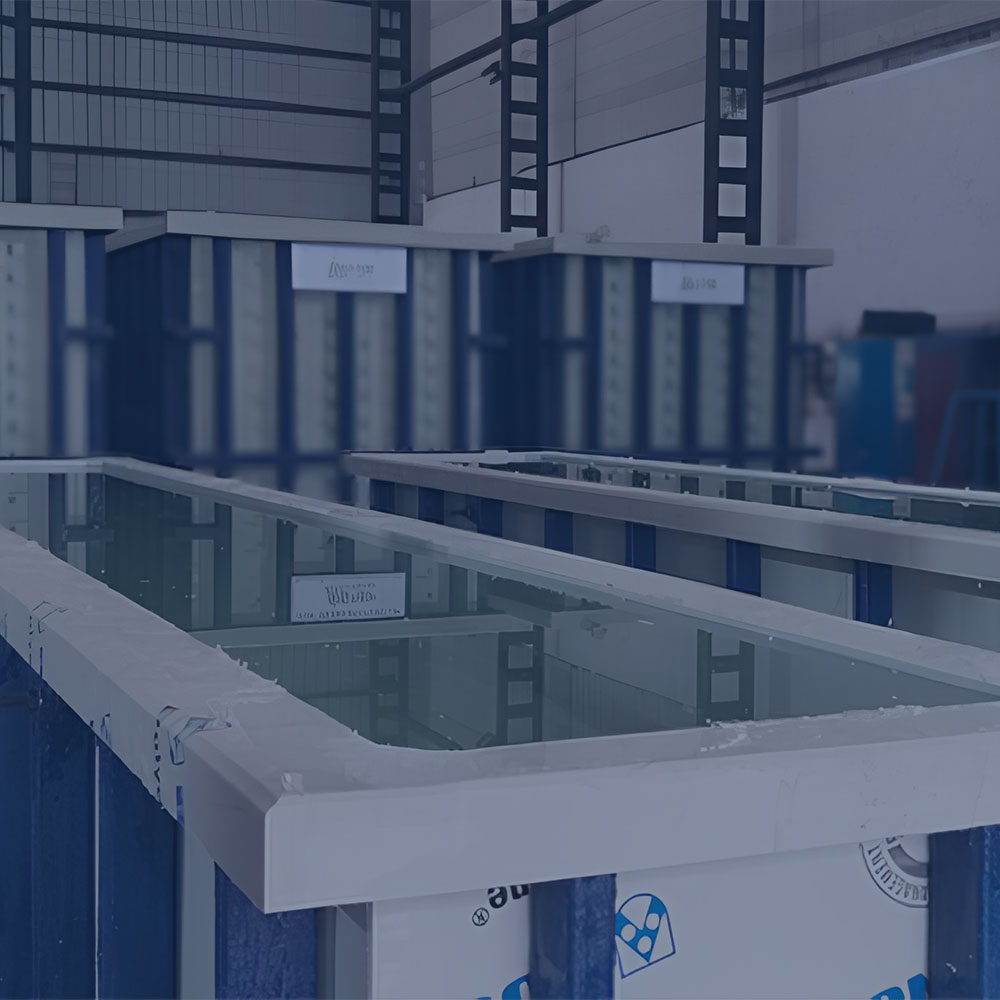
Put simply, it is an air pollution control unit that grabs harmful acidic vapors at the source, scrubs them clean, and releases safe air back into the atmosphere. The fumes come from tanks holding hydrochloric acid, sulfuric acid, nitric acid, hydrofluoric acid, or chromic acid — chemistries that release vapors which are corrosive, toxic, and frankly dangerous to be around.
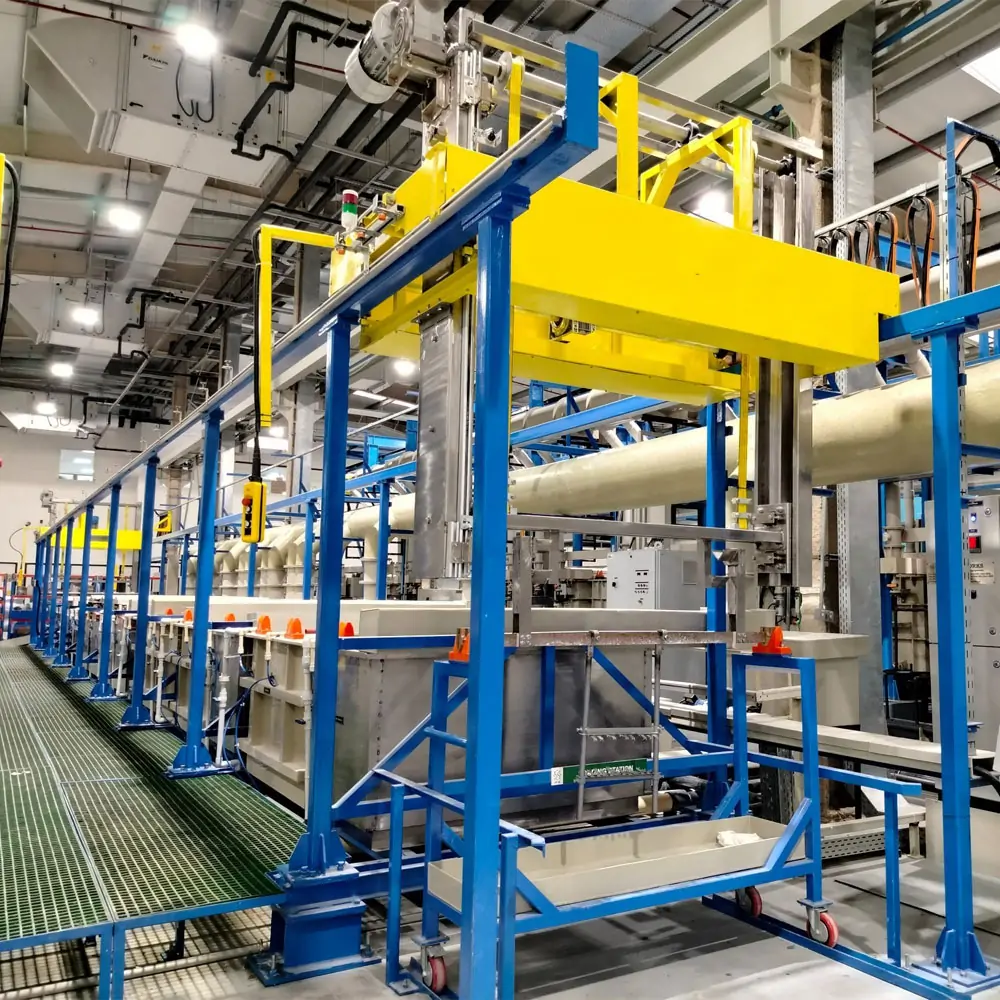
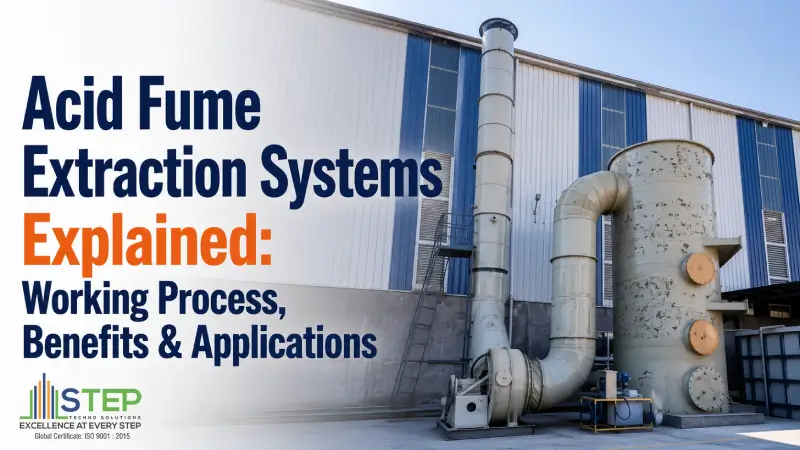
A typical setup has a few core parts: a hood or canopy that sits above the acid tanks, a network of corrosion-resistant ducting, a scrubber where the actual neutralization happens, a centrifugal blower, and a discharge stack. The trick is that none of these parts are generic. The acid type, the volume of fumes, the bath temperature, the tank layout — every variable changes the design. That is why credible Acid Fume Extraction System manufacturers in India treat each project as an engineering job, not a product order.
How Does It Actually Work?
The process moves through five clean stages.
Capturing fumes at the source. Lateral hoods or push-pull arrangements sit at the rim of each acid tank. As fumes rise, the hood pulls them in before they get a chance to drift into the shop. At STEP Techno Solutions LLP, hood face velocities are tuned so that even the heavier acid mists are caught early.
Carrying them through safe ducting. The captured air travels through ducts made of PP, PPGL, FRP, or PVC. We do not use steel ducting anywhere on the wet side because acid vapors chew through metal in months. With non-metallic contact parts, the system comfortably runs for a decade or more.
Scrubbing and neutralization. Inside a packed-bed or venturi scrubber, the fumes meet a counter-flow of dilute alkali — typically sodium hydroxide. The acid molecules react with the alkali and turn into harmless salts dissolved in water. That is the whole chemistry of fume scrubbing in one line, and it is what lets the system push clean air back out.
Mist elimination. Just before the air reaches the blower, a mist eliminator strips out water droplets so that no acidic carryover reaches downstream parts.
Discharge through the stack. A non-metallic centrifugal blower pulls air through the entire circuit and pushes the neutralized gas out through a stack tall enough to meet pollution control board norms.
The scrubbing liquid keeps recirculating, and operators top up the alkali as the chemistry depletes. It is a simple loop, but it does the heavy lifting that keeps the plant compliant.
Why Plants Invest in Fume Extraction
The reasons go well beyond a tick mark on a compliance audit. A properly designed system from established Acid Fume Extraction System manufacturers in India pays back in several real ways.
Workers’ health stays protected. Acid fumes burn the eyes, irritate the lungs, and over time cause serious respiratory damage. Removing them at source means the people running the plant can do their job safely.
Equipment lasts longer. Overhead cranes, electrical panels, conveyors, structural columns — every metal surface in the bay is a target for acid vapor. Pull the fumes out and the whole plant ages slower.
Pollution norms have become manageable. State and Central Pollution Control Boards in India enforce strict stack emission limits. A scrubber-equipped system keeps stack readings well inside those numbers and avoids penalties and shutdowns.
Energy costs drop noticeably. The STEPsmart® range from STEP Techno Solutions LLP ties blower speed to crane operation — when tanks are idle, the blower steps down. This single feature delivers 30 to 50% lower power consumption compared with conventional always-on systems.
The neighborhood stops complaining. Neutralized discharge means no acidic plume drifting toward nearby buildings, no rusted gates next door, no calls from local authorities.
Process quality improves. Stable extraction creates predictable bath conditions, and predictable baths produce better coatings — whether the line is galvanizing, plating, or anodizing.
Industries That Rely on These Systems
Anywhere acids are stored or used, this technology shows up. The list is long.
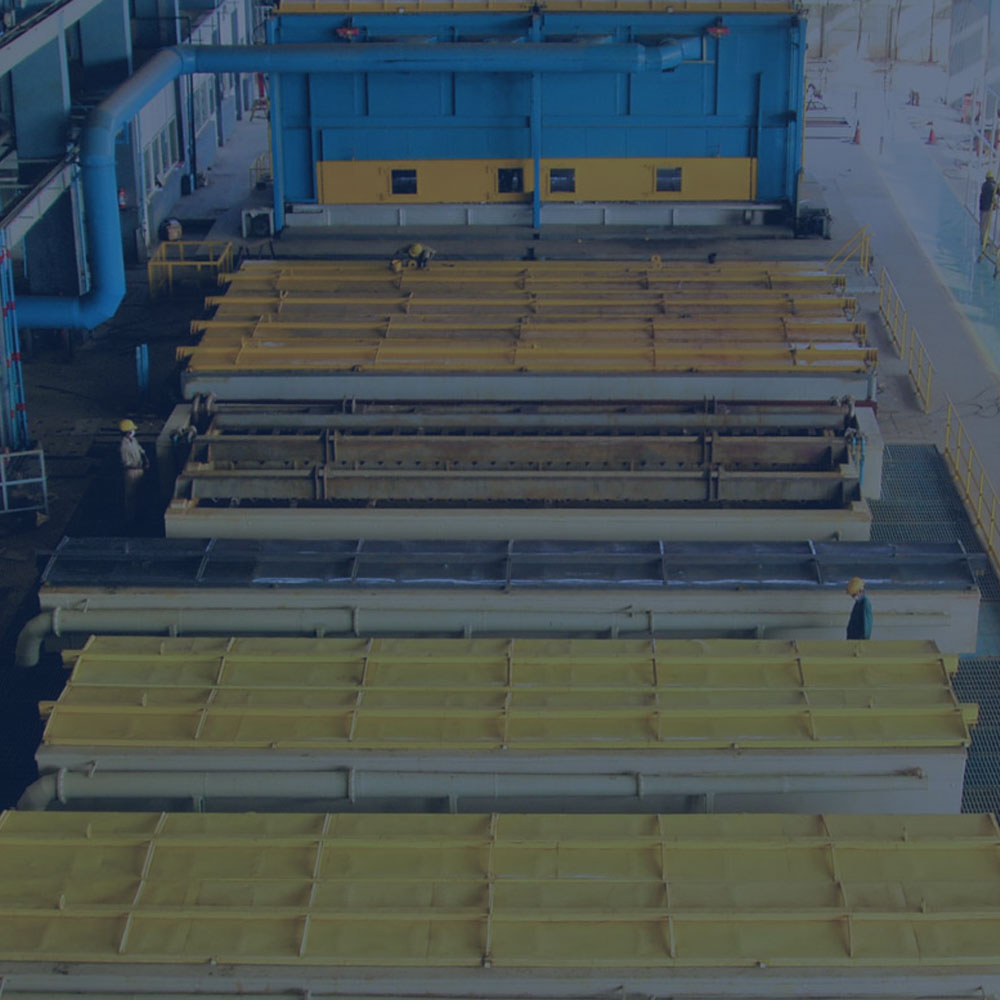
Hot dip galvanizing plants — pickling tanks with hydrochloric acid generate some of the densest HCl fumes in any industry.
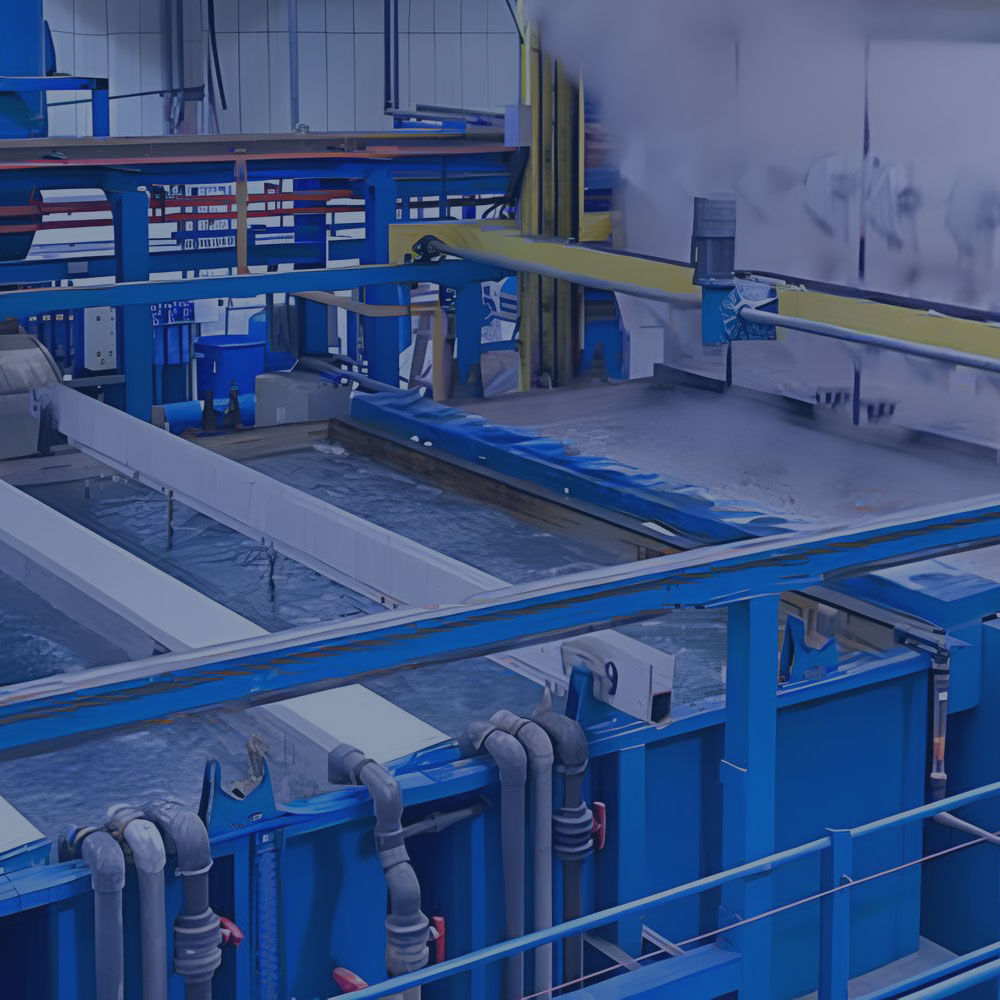
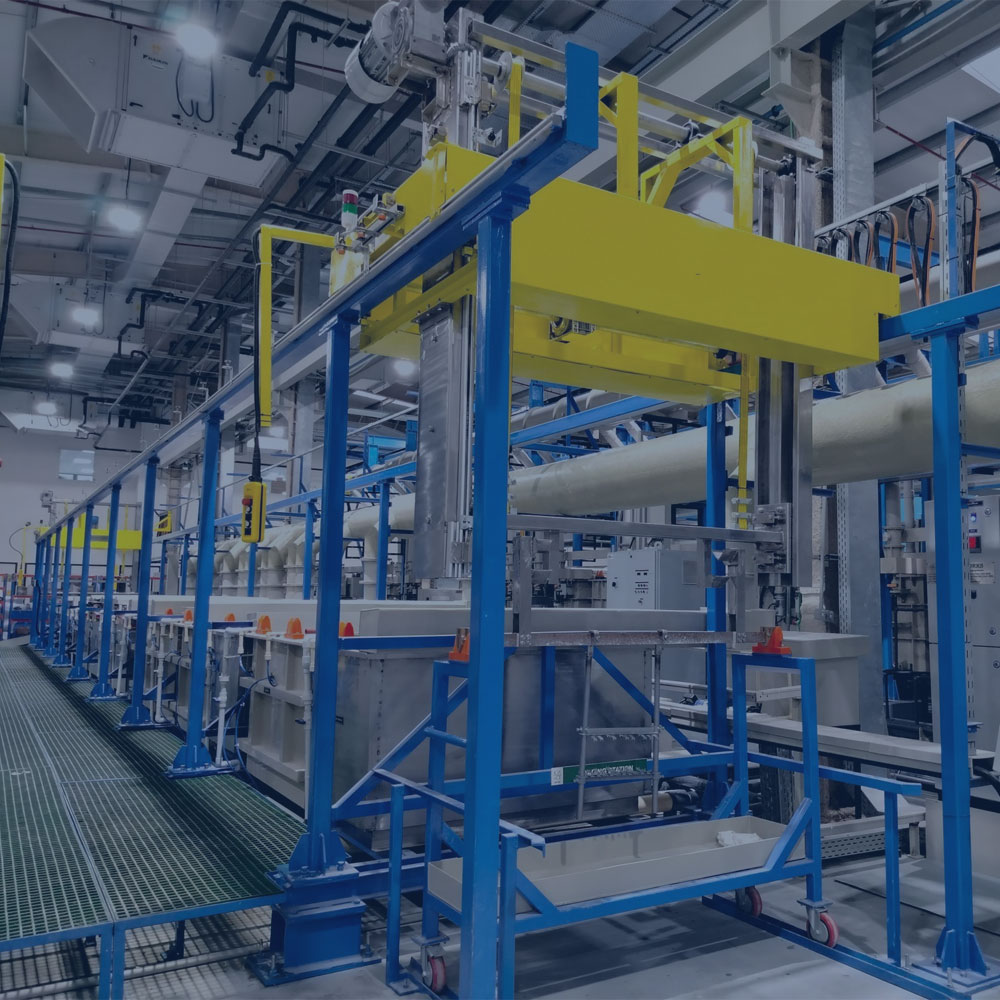
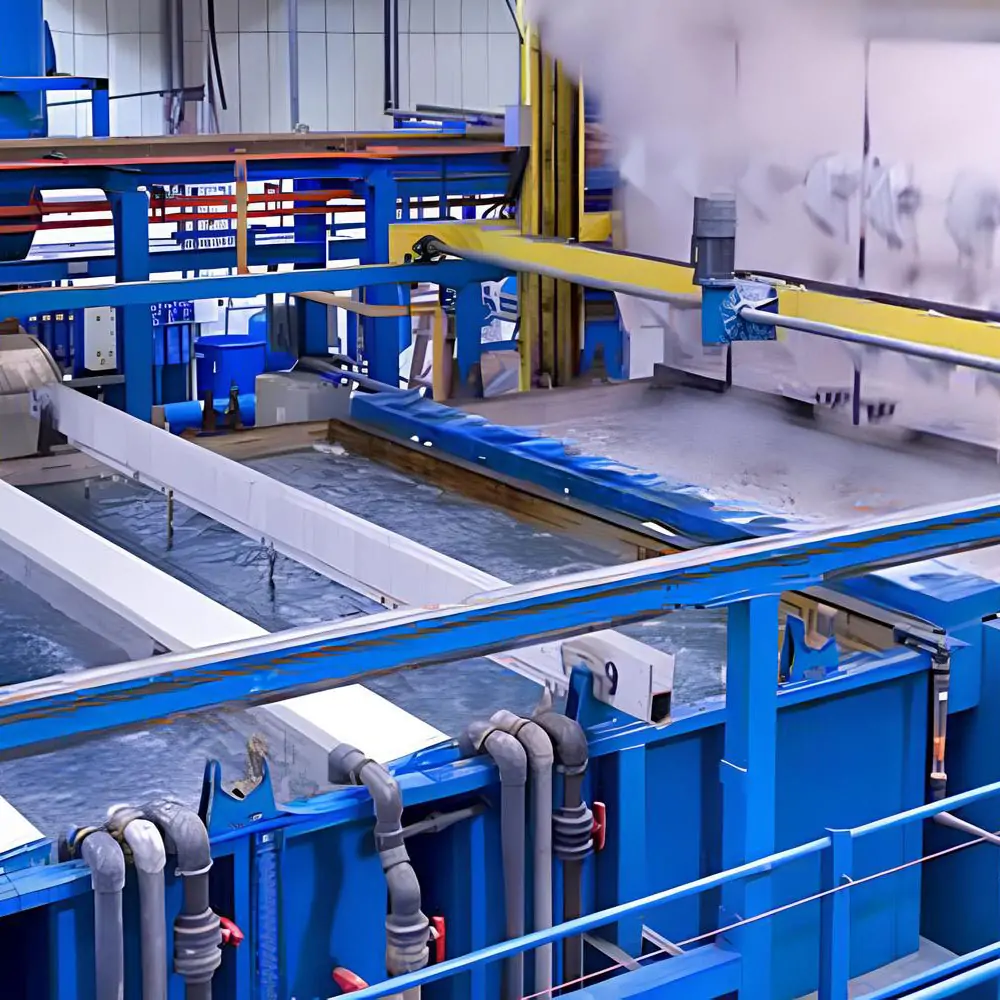
Electroplating units — chromic, sulfuric, and nitric baths usually need dedicated extraction lines, often with two-stage scrubbing.
Anodizing plants — sulfuric and chromic baths release a steady mist that has to be pulled out continuously.
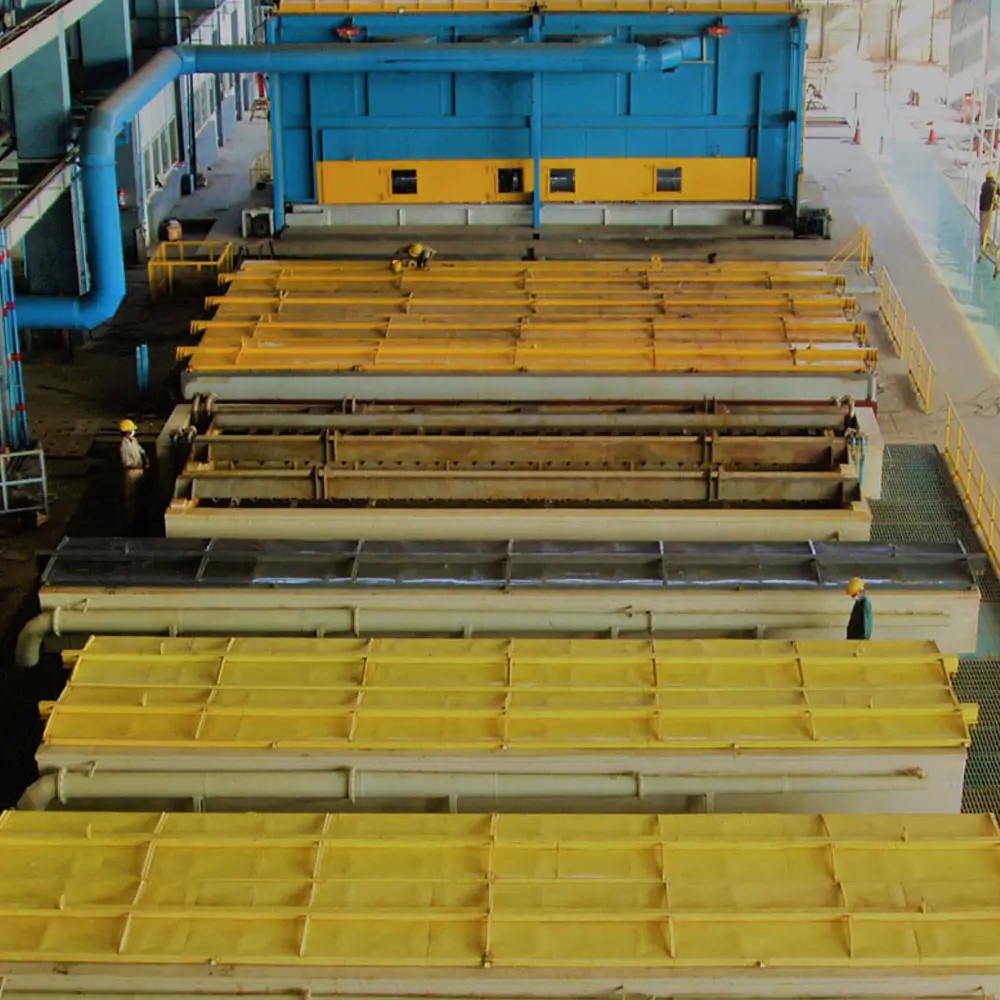
Pickling lines for steel, wire, pipe, and tube are some of the highest fume-load operations going on.
Battery manufacturing — lead-acid battery filling and formation areas release sulfuric acid mist.
Pharma and bulk chemical plants — reactor vents and acid charging stations need local fume capture.
Fertilizer and agro-chemical units — nitric and phosphoric acid handling zones depend on robust extraction to stay safe and compliant.
Across every one of these sectors, the extraction system works in tandem with the acid storage area. This is where the role of reliable Acid Storage Tank manufacturers in India comes in, because storage tanks themselves leak vapors during filling, transfer, and temperature changes. STEP Techno Solutions LLP supplies both ends of this chain, which means customers can source extraction and storage from a single vendor that knows how the two should connect.
The Quiet Link Between Storage Tanks and Fume Control
Most plants put serious thought into their process tanks and almost no thought into the storage area. That is a mistake. Every time an acid tank is filled, displaced air carries acid vapor straight into the workspace. Temperature swings through the day cause the tank to breathe, pushing out more mist. Without control, the storage zone becomes a slow, invisible emitter.
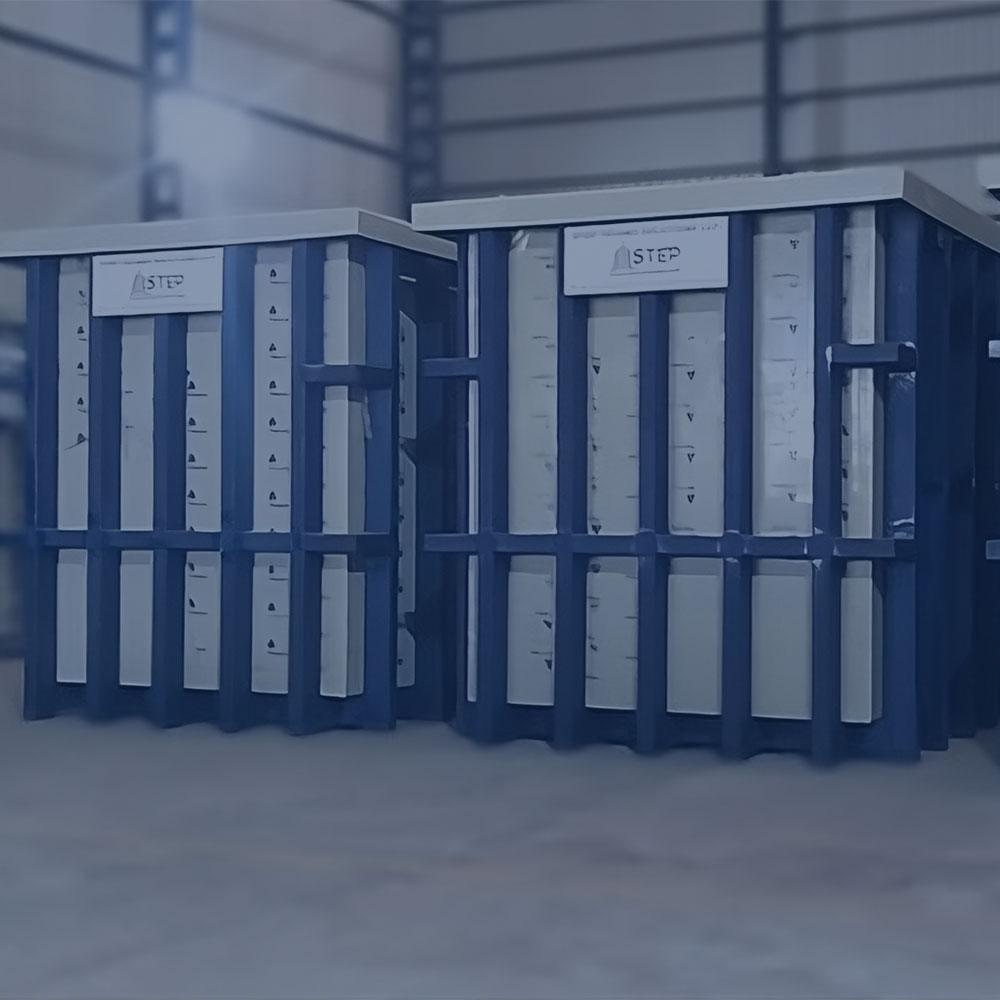
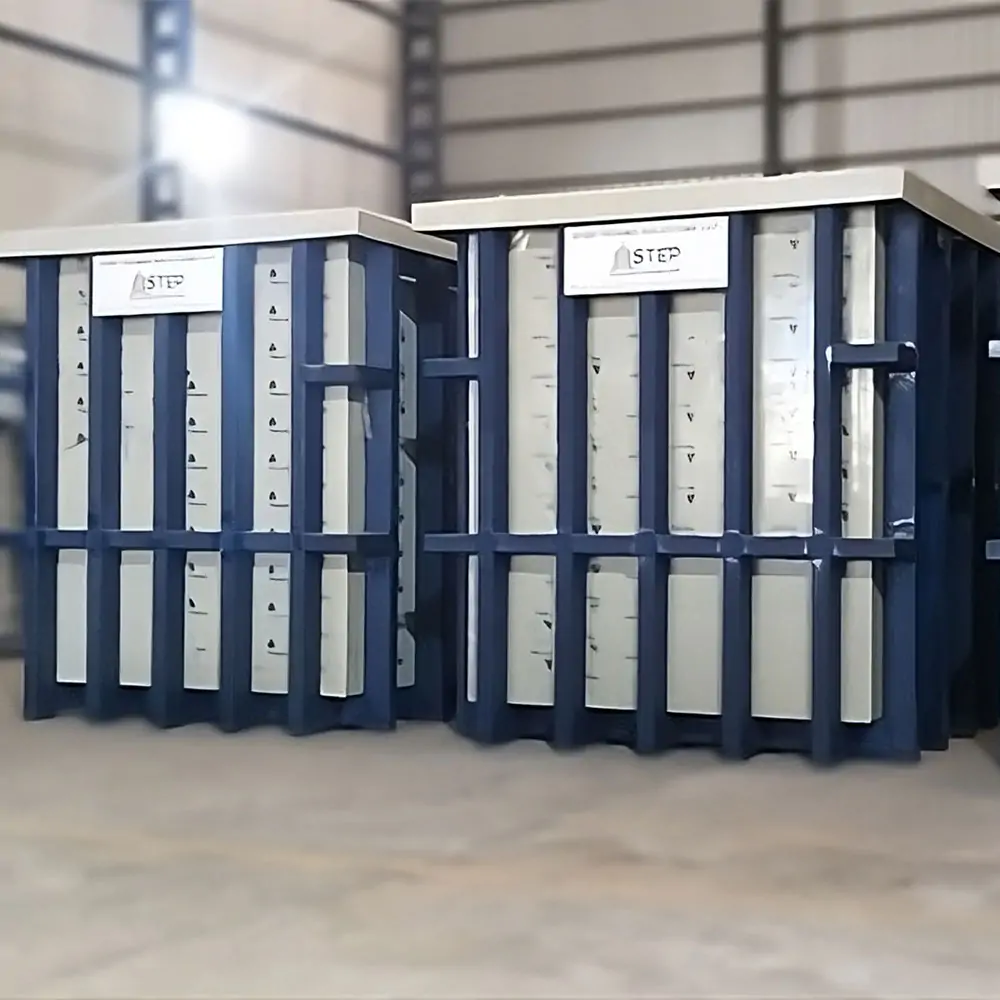
This is exactly why competent Acid Storage Tank manufacturers in India like STEP Techno Solutions LLP design storage tanks with breather vents routed directly into the fume extraction header. Whatever escapes, the tank gets captured and scrubbed along with the fumes.
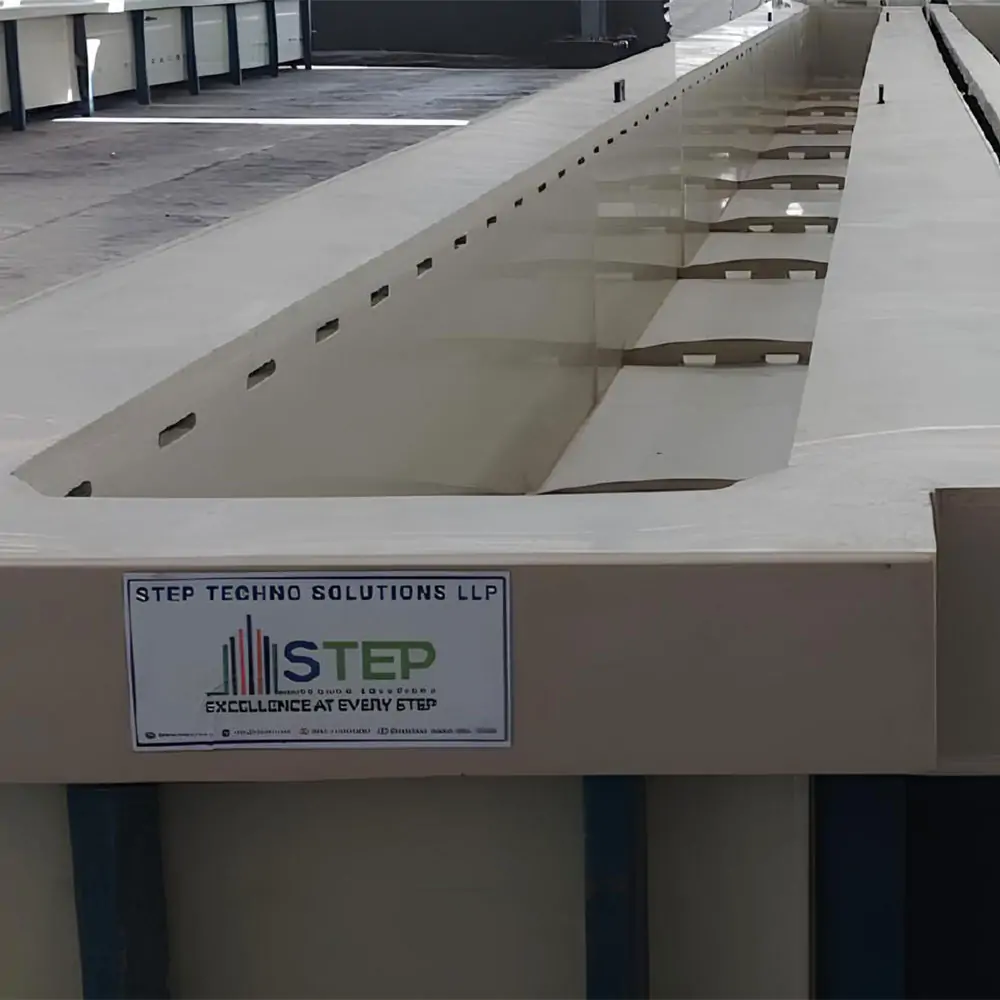
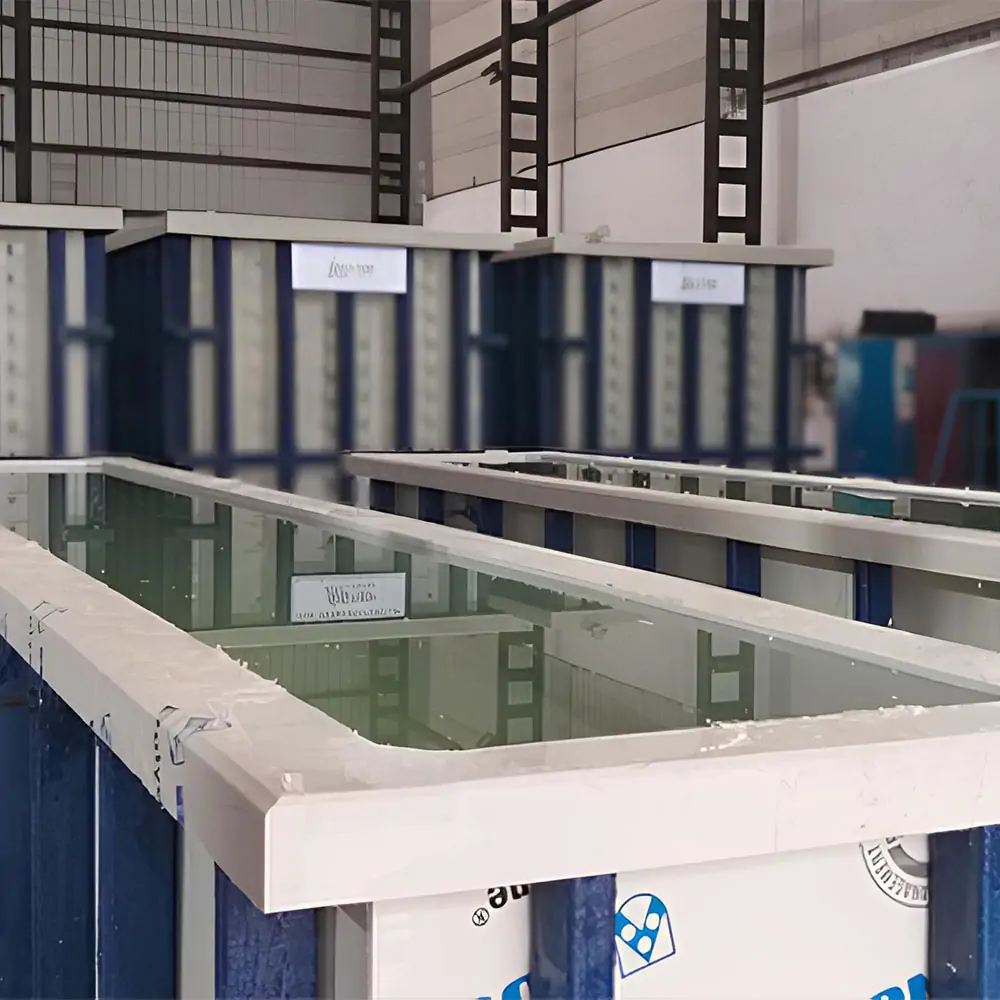
Material selection is equally critical. PP, PPGL, FRP, and HDPE each suit different acid chemistry and concentrations. Hydrofluoric acid, in particular, demands very specific liner choices that not every fabricator handles correctly. With 25 years behind us, STEP Techno Solutions LLP brings real materials know-how to every storage tank — double-walled containment, level indicators, dyke design, overflow protection, the lot.
Why Choose Us
STEP Techno Solutions LLP has earned its place among the most respected Acid Fume Extraction System manufacturers in India through 25 years of focused work in surface treatment engineering. Our designs come out of real plant data, hundreds of installations, and the kind of troubleshooting experience that only decades on galvanizing, plating, and pickling floors can teach. Every STEPsmart® system is engineered around your specific bath chemistry, tank geometry, and shop layout — never a catalog reprint. Because we are also established Acid Storage Tank manufacturers in India, your extraction system, storage tanks, and process tanks all come from one engineering language and one accountable team. Pair that with in-house fabrication, prompt service response, sensible pricing, and a fleet of installations that have run reliably for over a decade, and you understand why customers keep coming back to STEP Techno Solutions LLP when safety, compliance, and uptime are on the line.
Conclusion
Acid fume extraction has stopped being optional for any plant that runs aggressive chemistries. It is now central to worker safety, equipment life, regulatory peace of mind, and steady production. A properly engineered system from experienced Acid Fume Extraction System manufacturers in India delivers cleaner air, lower power bills, and a plant you can keep running for decades without nasty surprises. STEP Techno Solutions LLP brings deep engineering depth, custom design ability, and a full product range that covers both extraction and storage from trusted Acid Storage Tank manufacturers in India. Partner with us and build a safer, cleaner, more dependable plant.
For more information about STEPsmart® Acid Fume Extraction Systems, custom engineering, or pricing, call us at +91 98988 75757 or email info@steptsl.com
Frequently Asked Questions
How long does a STEPsmart® Acid Fume Extraction System typically last?
With non-metallic contact parts and basic maintenance, expect 10 to 15 years of reliable service. The only routine work is scrubber media replacement and occasional pump servicing.
Can one system handle multiple acids on the same line?
Often yes. A two-stage scrubber can deal with mixed chemistries like HCl and sulfuric acid in the same circuit. But certain acids — chromic and hydrofluoric in particular — usually need a dedicated extraction loop. Our engineers decide this after studying your actual process.
How much shop floor space does the system need?
It depends on air volume and scrubber size. For a typical pickling line with four to six tanks, the scrubber, blower, and stack together usually take 15 to 30 square meters, and we often place them outside the building against the plant wall.
Do you also supply acid storage tanks that integrate with the extraction system?
Yes. As experienced Acid Storage Tank manufacturers in India, we build matched storage tanks with breather connections that tie directly into the fume extraction header — one integrated package, one accountable supplier.
Will this help us pass Pollution Control Board inspections?
It will. Our systems are designed to keep stack emissions comfortably inside State and Central PCB limits, and we support customers with the technical documentation needed during consent applications and audits.